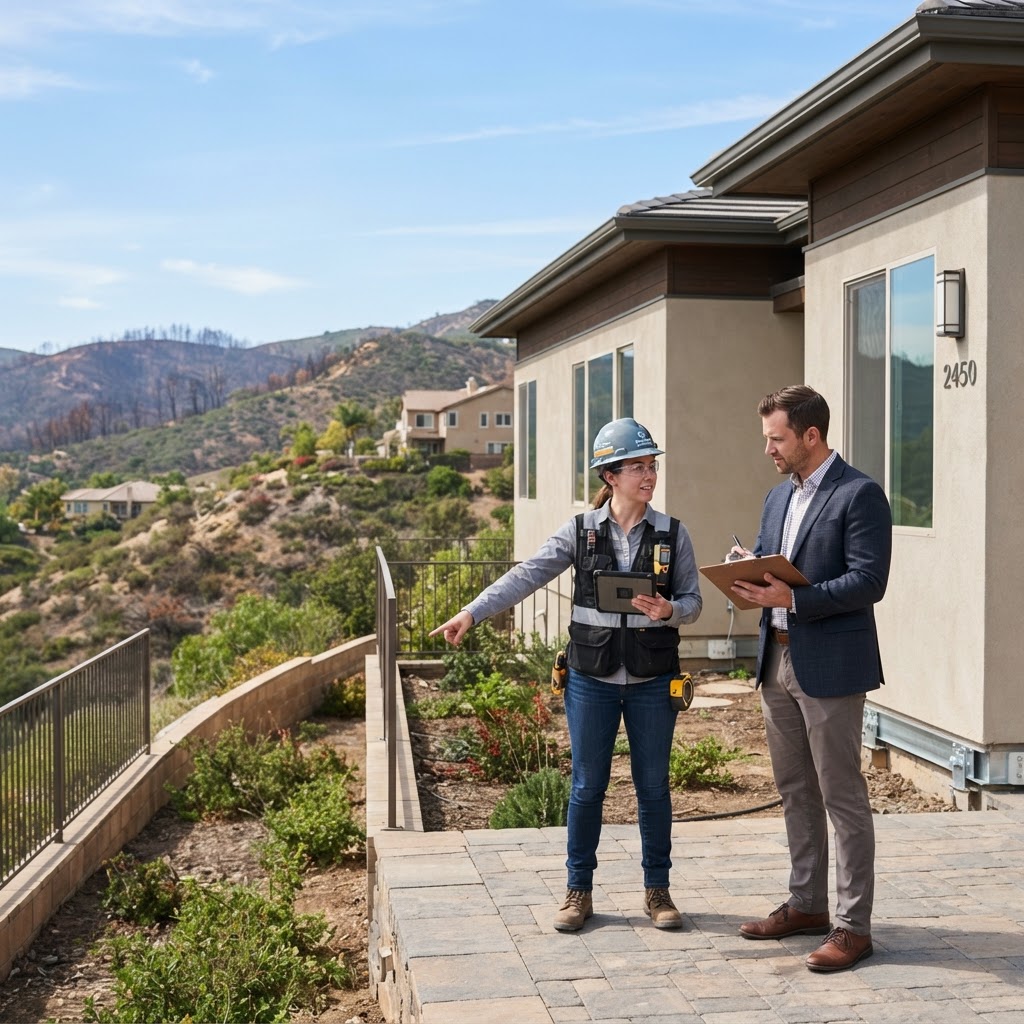
The Structural Audit: Hardening California Assets Against Climate Volatility
For California homeowners, the traditional approach to disaster preparedness—relying solely on insurance—is increasingly insufficient. As climate-driven risks like wildfires and subsequent debris flows intensify, the focus must shift toward a proactive, technical audit of the physical asset itself. By integrating structural hardening with rigorous defensible space management, owners can significantly improve their property's survivability and potentially influence insurance insurability.
The Ember-Resistant Standard
Data from CAL FIRE indicates that embers are responsible for 60% to 90% of home ignitions during wildfires. This reality necessitates a shift in maintenance priorities. Homeowners should view their property through the lens of an 'ember-resistant' envelope. This includes:
- Roofing Assemblies: Replacing wood shake or shingle roofs with Class A fire-rated materials such as metal, tile, or composition shingles.
- Vents and Openings: Installing ember-resistant mesh on all vents to prevent windblown embers from entering attics or crawl spaces.
- Soffits and Eaves: Utilizing non-combustible materials to box in eaves, preventing heat traps that can ignite structural framing.
The 100-Foot Defensible Space Mandate
Public Resources Code (PRC) 4291 requires up to 100 feet of defensible space around structures. However, modern best practices now emphasize 'Zone 0'—the critical 0-to-5-foot buffer immediately surrounding the home. In this zone, the goal is to eliminate all combustible materials, including mulch, ornamental shrubs, and patio furniture, which can serve as fuel bridges for embers to reach the structure.
The Post-Fire Cascade: Flood and Debris Flow
California homeowners must recognize the 'burn scar' effect. Following a wildfire, the loss of vegetation and the alteration of soil composition significantly increase the risk of flash flooding and mudslides. Investors and homeowners in high-risk zones should evaluate their property’s drainage systems and consider professional assessments for slope stability, especially if the property is located downhill from recent burn areas.
Practical Takeaways for Stakeholders
- For Homeowners: Incorporate a 'seasonal structural audit' into your maintenance calendar. Beyond clearing gutters, inspect the integrity of window seals and door frames, as these are common entry points for embers.
- For Investors: When evaluating acquisitions, prioritize properties that have already undergone retrofits aligned with the California Wildfire Mitigation Program (CWMP) standards. These properties may offer lower long-term maintenance costs and better resilience against insurance premium volatility.
- For Sellers: Document all home hardening improvements. Providing a record of roof upgrades, vent replacements, and professional defensible space certifications can be a powerful value-add during the escrow process, signaling to buyers that the property is prepared for the current climate reality.
By treating disaster preparedness as a continuous cycle of structural maintenance rather than a one-time event, California property owners can better protect their equity and contribute to the broader resilience of their communities.