The Institutionalized Response: Navigating California’s Disaster Recovery Web
For the California homeowner, disaster preparedness has evolved from a simple matter of stocking water and batteries to a complex exercise in institutional navigation. While individual resilience is vital, the ability to recover from a catastrophic event—such as a wildfire or seismic shift—depends heavily on how effectively a homeowner interacts with state-level recovery frameworks before the first alarm sounds.
The Infrastructure of Recovery
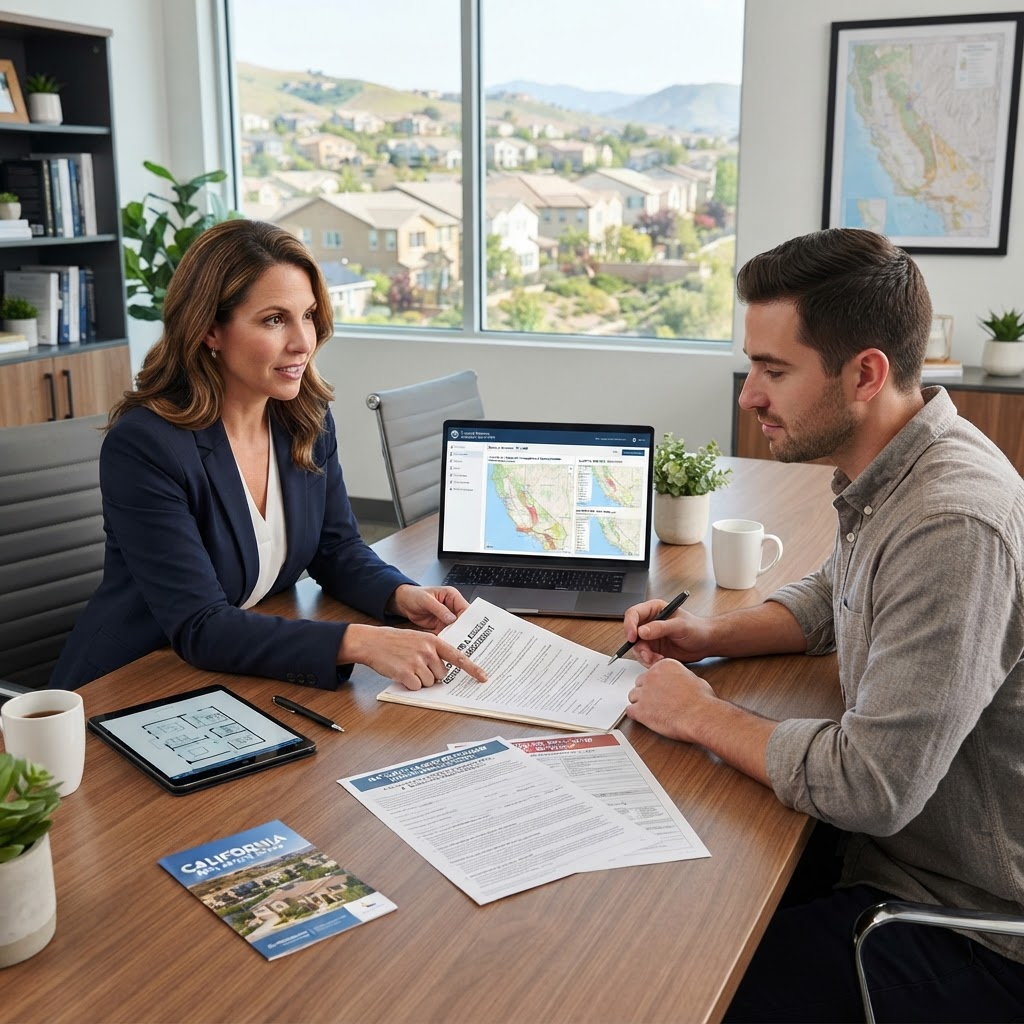
California’s disaster management is anchored by the California Governor’s Office of Emergency Services (Cal OES), which coordinates the state’s response through the Standardized Emergency Management System (SEMS). For homeowners, the most critical tool is the MyHazards portal, which allows residents to input their specific address to identify localized risks ranging from flood zones to seismic fault proximity. Understanding these data points is not merely for safety; it is a prerequisite for accurate asset valuation and insurance underwriting.
The Documentation Gap
A significant hurdle in post-disaster recovery is the "documentation gap." According to FEMA and state recovery guidelines, the speed at which a homeowner can transition to permanent housing is directly correlated to the accessibility of their property records. Homeowners should maintain a "Recovery Portfolio" that includes:
- Proof of Ownership: Deeds, titles, and current mortgage statements.
- Insurance Ledger: A physical copy of all policy declarations, including contact information for claims adjusters and policy numbers.
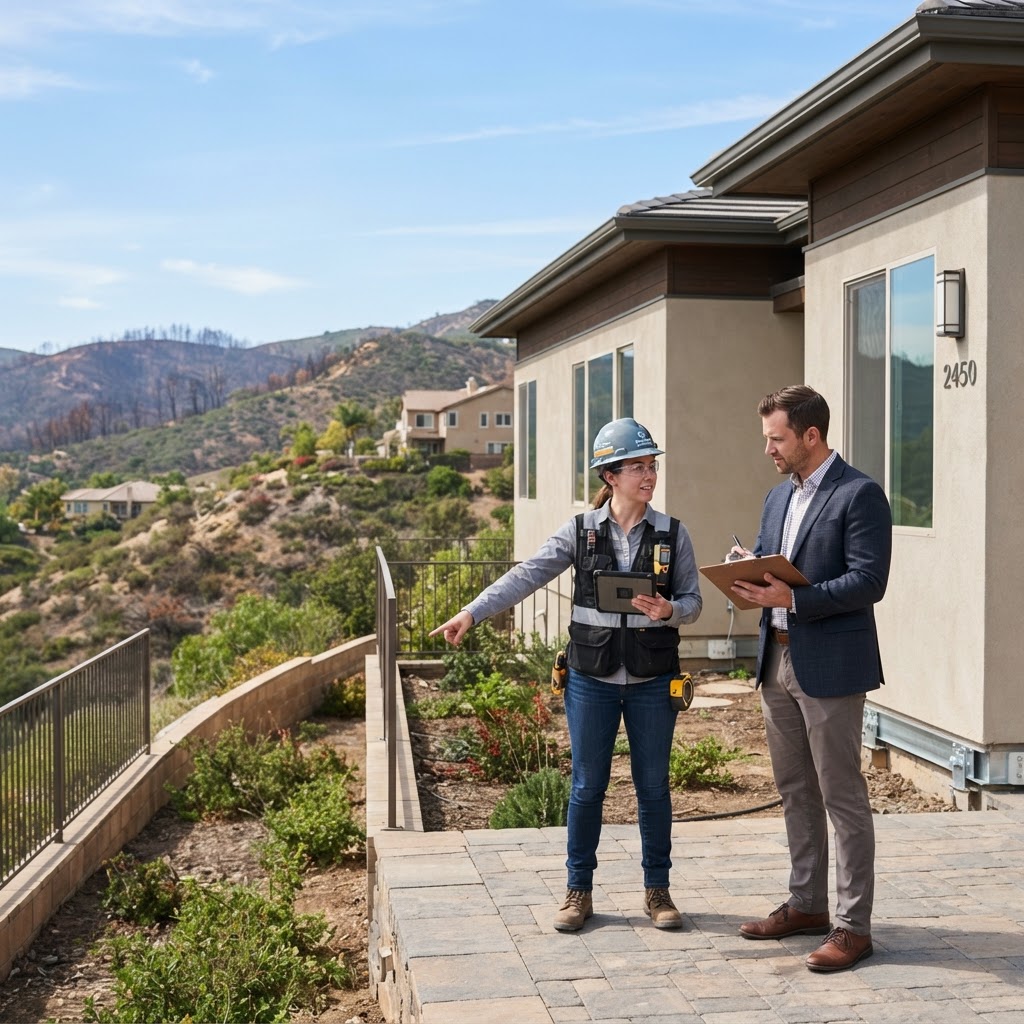
- Structural History: Records of seismic retrofits, roof upgrades, or fire-hardening improvements, which can be critical for insurance premium negotiations or claims adjustments.
Leveraging State-Backed Resources
Homeowners often overlook the specialized boards that provide technical support during the recovery phase. The California Architects Board, for instance, offers the Homeowner's Rebuilding Bulletin, which provides a roadmap for navigating the complexities of hiring licensed professionals after a disaster. Similarly, the California Bureau of Real Estate Appraisers (BREA) provides guidance on appraisal services, which is essential for homeowners needing to establish property value loss for tax or insurance purposes.
Practical Takeaways for Homeowners
- Audit Your Coverage: Standard homeowner policies often exclude earth movement and flood. Review your policy against the California Department of Insurance’s Disaster Insurance Guidebook to identify gaps. If you are in a high-risk area, understand that the California FAIR Plan is a last-resort option, not a comprehensive solution.
- Digital and Physical Redundancy: Store your Recovery Portfolio in a fireproof, waterproof safe, but also maintain a secure, encrypted digital backup. In the event of a total loss, physical documents are often the only way to prove ownership to local government agencies.
- Participate in Local Drills: Beyond the Great California Shakeout, engage with local Community Emergency Response Teams (CERTs). These groups are often the first to receive training on how to interface with municipal recovery plans, providing a bridge between individual households and city-level emergency services.
By treating disaster preparedness as an institutional process rather than a personal chore, California homeowners can significantly reduce the "recovery lag" that often plagues communities following major events. The goal is to ensure that when the unexpected occurs, the homeowner is not just surviving, but is already prepared to execute a pre-validated recovery plan.