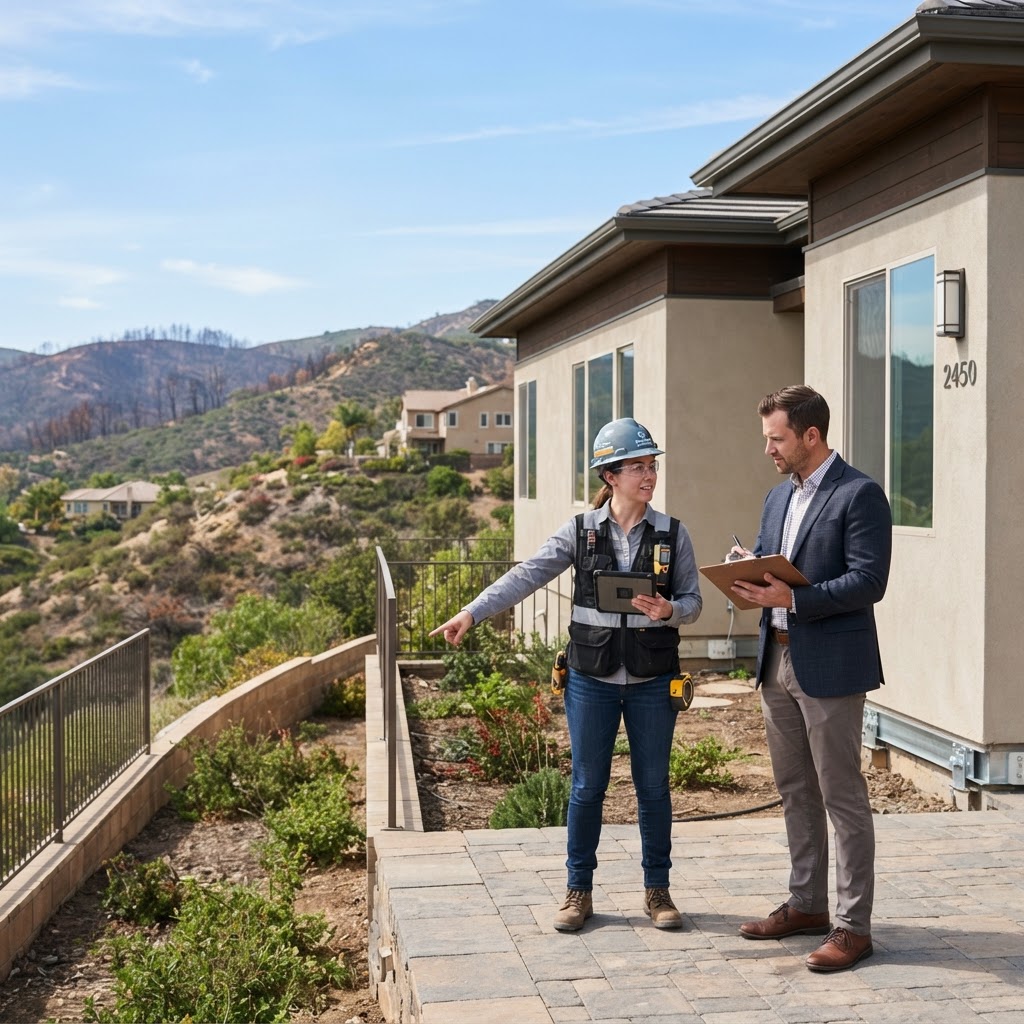
The Regulatory Pivot: Aligning Home Upgrades with California Insurance Policy
For California homeowners, the traditional approach to disaster preparedness—viewing it as a personal safety exercise—is no longer sufficient. As the state’s insurance landscape shifts, disaster mitigation has become a critical financial strategy. With over 4 million homes located in the Wildland-Urban Interface (WUI), the intersection of building codes, state-mandated insurance discounts, and property valuation is the new frontier for residential asset management.
The Insurance-Mitigation Feedback Loop
The California Department of Insurance (CDI) has fundamentally changed the economics of home hardening. Under the “Safer from Wildfires” framework, insurers are now required to provide discounts to consumers who implement specific, verified risk-reduction measures. This creates a direct financial incentive to move beyond basic maintenance and toward certified structural upgrades.
Homeowners should view these upgrades not merely as safety costs, but as capital improvements that protect insurability. As private market options tighten, demonstrating compliance with state-approved mitigation standards—such as installing ember-resistant vents or non-combustible siding—is increasingly necessary to avoid reliance on the California FAIR Plan, which often provides lower coverage at higher costs.
Strategic Retrofitting: A Multi-Hazard Approach
While wildfire mitigation often dominates the conversation, a resilient home strategy must address the state’s multi-hazard reality. The most effective upgrades are those that serve dual purposes:
- Foundation and Structural Integrity: Programs like the Earthquake Brace + Bolt initiative provide grants of up to $3,000 for seismic retrofits. Strengthening raised foundations is a high-ROI activity that protects the home’s primary structure against seismic activity while often lowering insurance premiums.
- Building Envelope Hardening: Replacing combustible roofing and installing double-pane, tempered glass windows are essential. These measures are increasingly being integrated into local municipal building codes, which may soon require such upgrades during major renovations or property transfers.
- Zone Zero Management: The focus has shifted to the immediate five feet around a structure. Clearing this area of combustible materials is now a regulatory priority, with the Board of Forestry and Fire Protection formalizing rules to ensure this “Zone Zero” is maintained.
Practical Takeaways for Owners and Investors
For those navigating the current market, the following actions are recommended:
- Audit for Compliance: Before initiating renovations, consult the California Building Standards Commission’s latest guidelines. Aligning your project with these standards can qualify you for state-sponsored grants and insurance premium reductions.
- Leverage State Programs: Utilize the California Wildfire Mitigation Program (CWMP) to identify financial assistance for hardening. These programs are designed to bridge the gap between the cost of materials and the long-term value of a resilient home.
- Document Everything: In the event of a claim or when selling a property, documented proof of seismic and fire-hardening upgrades is a significant asset. Maintain a digital file of all permits, contractor certifications, and inspection reports related to disaster mitigation.
As the state continues to refine its approach to climate risk, the gap between “compliant” and “resilient” will widen. Homeowners who proactively align their physical property standards with the evolving regulatory and insurance framework will be better positioned to protect their equity in an increasingly volatile environment.