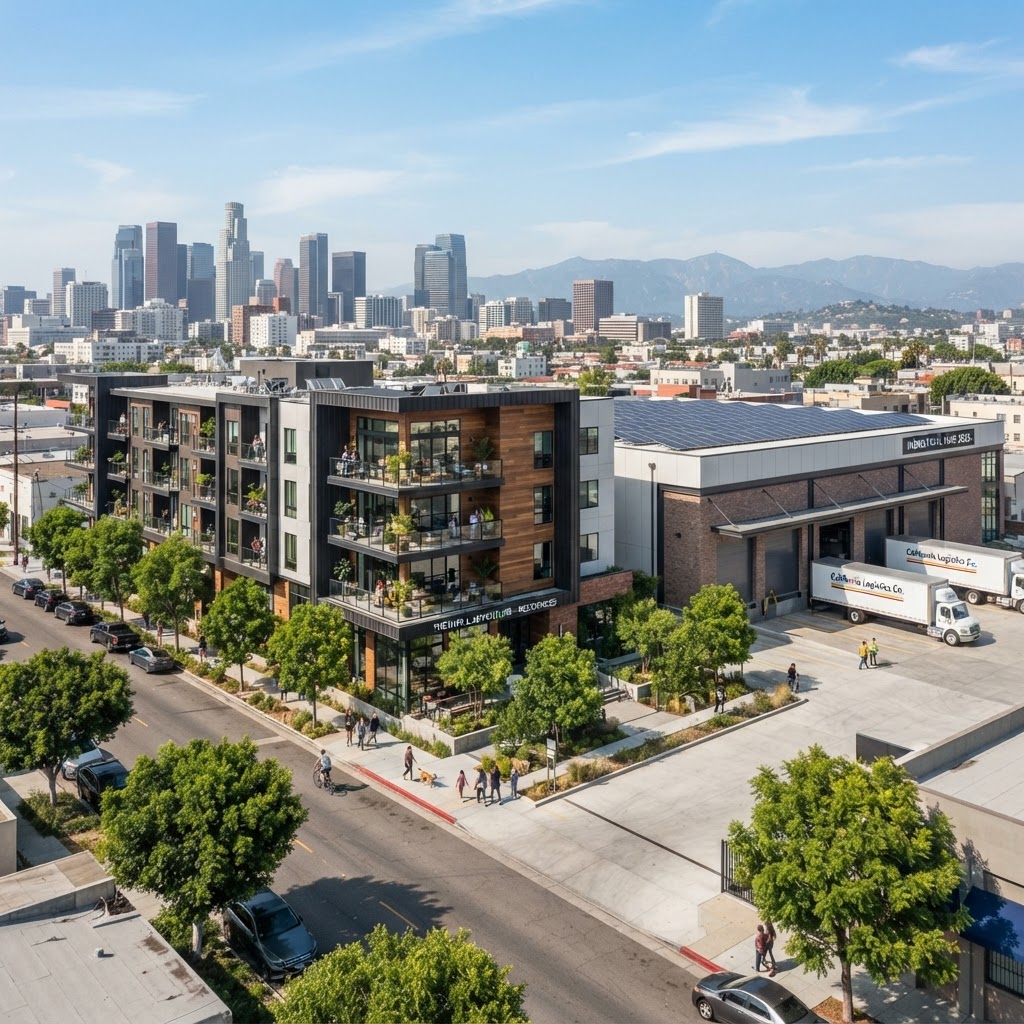
The Industrial Outdoor Storage (IOS) Frontier: California’s New CRE Playbook
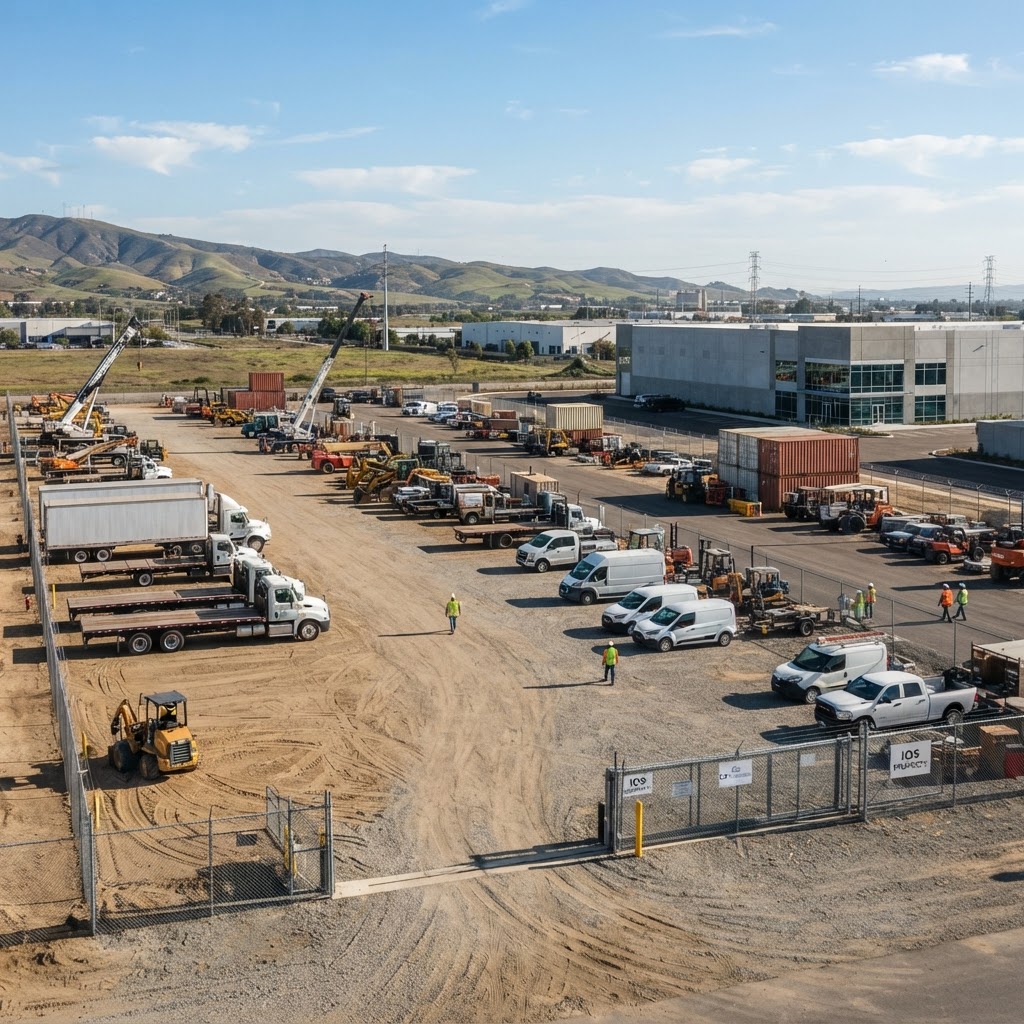
In the evolving landscape of 2026, California commercial real estate investors are increasingly looking beyond traditional warehouses to a specialized, high-barrier-to-entry asset class: Industrial Outdoor Storage (IOS). While institutional capital has long favored enclosed logistics space, the surge in e-commerce and supply chain complexity has elevated IOS—yards used for trailer parking, equipment storage, and fleet management—into a critical component of the modern logistics network.
Why IOS is Capturing Institutional Attention
Unlike traditional industrial assets, IOS properties are defined by their utility as functional land rather than building square footage. According to industry analysis, the demand for these sites is driven by their proximity to major freight hubs, ports, and rail lines. In Southern California, where land scarcity is acute and zoning regulations are among the most stringent in the nation, the supply of developable IOS is effectively capped, creating a natural moat for existing owners.
Investors are finding that IOS offers a distinct risk-return profile. Because these properties often require less capital expenditure than climate-controlled warehouses, they can provide attractive yields that remain insulated from the volatility seen in other sectors. Furthermore, the market remains fragmented, with many assets still held by private, local operators, providing opportunities for sophisticated investors to aggregate portfolios through off-market acquisitions.
The California Regulatory Advantage
While California’s regulatory environment is often cited as a hurdle, for the disciplined IOS investor, it acts as a barrier to entry that protects asset value. The difficulty of securing new industrial zoning for outdoor storage means that existing, permitted sites are becoming increasingly valuable. As noted in recent market discussions, the focus for investors is shifting toward "precision in location," targeting sites that are essential to the "last-mile" delivery ecosystem.
Practical Takeaways for Investors
- Underwrite the Zoning, Not Just the Land: The value of an IOS asset is inextricably linked to its legal use. Investors must conduct rigorous due diligence on local zoning ordinances to ensure the site can support high-intensity industrial use, as "grandfathered" status can be fragile.
- Focus on Operational Utility: The most successful IOS assets are those that offer high accessibility to major infrastructure. Proximity to the Port of Los Angeles or major interstate corridors remains the primary driver of tenant demand and rent growth.
- Monitor Operator Credit: As the asset class matures, institutional lenders are increasingly looking at the creditworthiness of the tenants. Underwriting should focus on the stability of the logistics or fleet operators occupying the space, rather than relying solely on the underlying land value.
- Leverage Niche Financing: With traditional bank lending remaining conservative, investors are finding success with private equity joint ventures and specialized bridge lenders who understand the unique cash-flow characteristics of outdoor storage.
As we move into 2027, the "industrial outdoor" sector represents a strategic pivot for California investors. By prioritizing functional, well-located land over speculative development, investors can tap into a resilient, supply-constrained market that continues to underpin the state’s logistics-heavy economy.