The Certainty Premium: Why California CRE Investors Are Chasing Ground Leases
In the current California commercial real estate landscape, the traditional correlation between interest rates and cap rates has fractured. As of late 2026, investors are no longer simply pricing assets based on debt-spread calculations. Instead, a new 'certainty premium' has emerged, fundamentally altering how capital is deployed across the state.
The Shift from Speculation to Certainty
For years, investors relied on the assumption that rising interest rates would automatically lead to cap rate expansion. However, recent market data suggests that high-quality, low-risk assets are defying this logic. According to Hanley Investment Group, assets such as ground leases—particularly those occupied by essential, credit-worthy tenants—are commanding pricing that ignores broader interest rate volatility. This behavior reflects a flight to quality where investors prioritize long-term cash flow stability over speculative rent growth.
Market Bifurcation: The California Reality
California’s market is currently defined by a sharp bifurcation. While secondary markets and higher-rent build-to-suit projects face pushback due to elevated debt costs and uncertain rent-growth visibility, coastal infill retail and trophy office assets are seeing renewed interest. Data from Newmark indicates that California’s single-tenant net lease (STNL) investment volume jumped 42% year-over-year in Q2 2026, nearly doubling the national gain, signaling that capital is aggressively seeking safe harbors within the state.
Key Sector Observations:
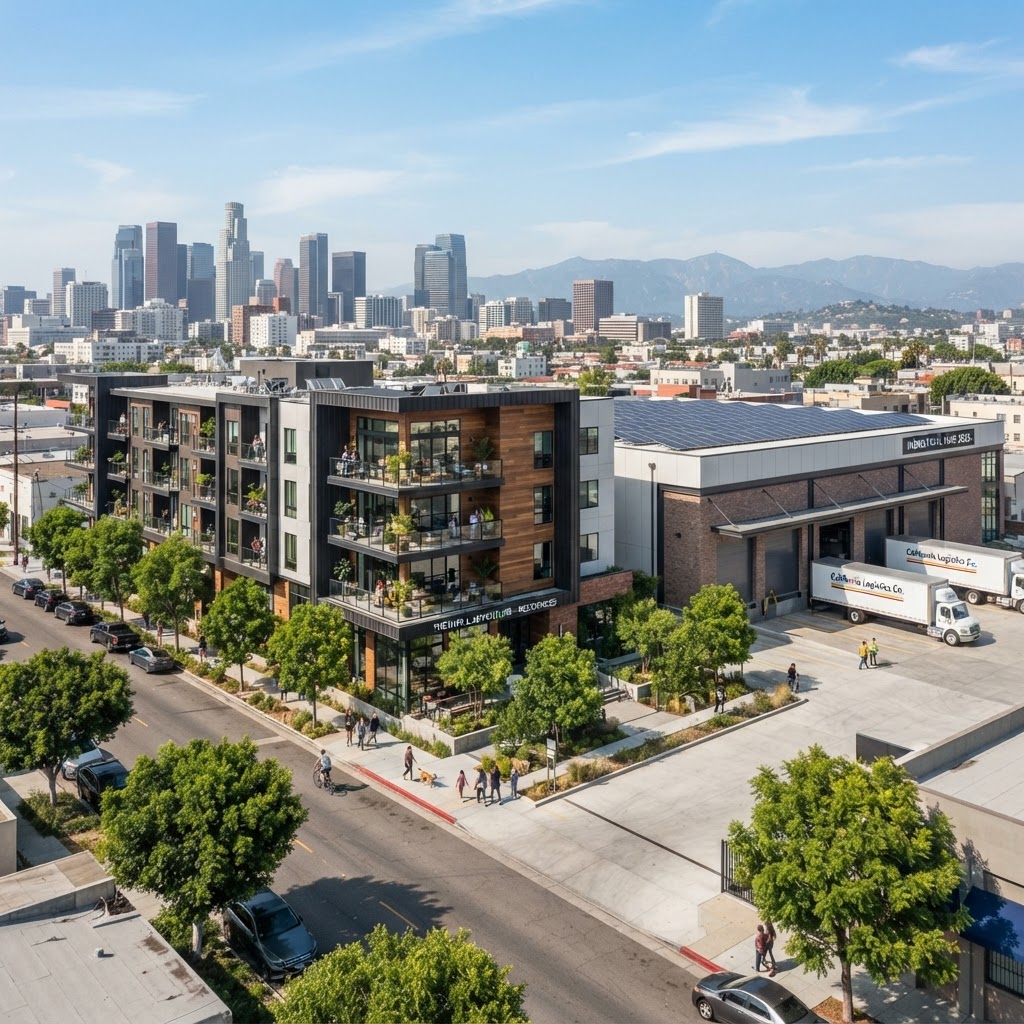
- Retail: Coastal infill retail remains a premium asset class. High replacement costs and restrictive zoning create a scarcity that protects valuations even as financing costs remain high.
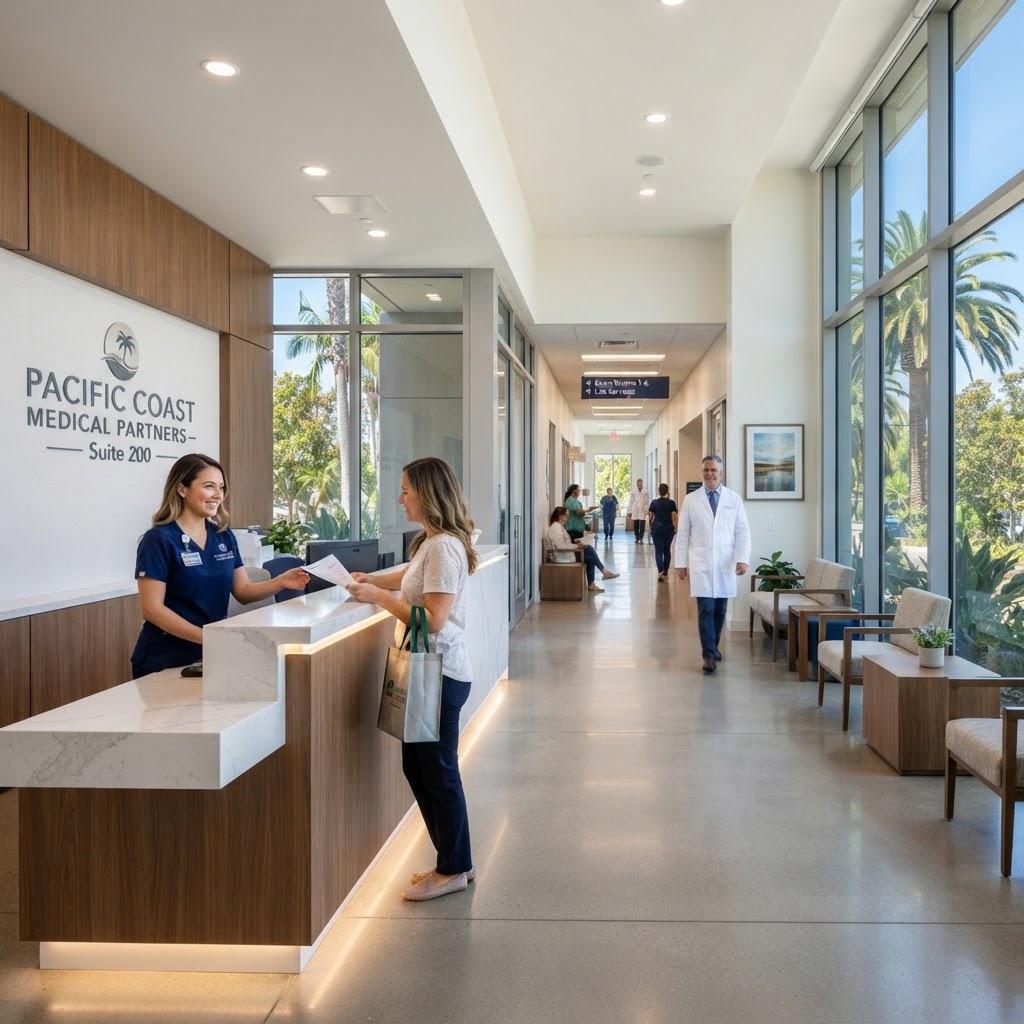
- Office: The sector is stabilizing, but only for top-tier assets. AI-driven demand in specific hubs is helping to collapse sublease availability, creating a stark contrast to older, less-functional office stock.
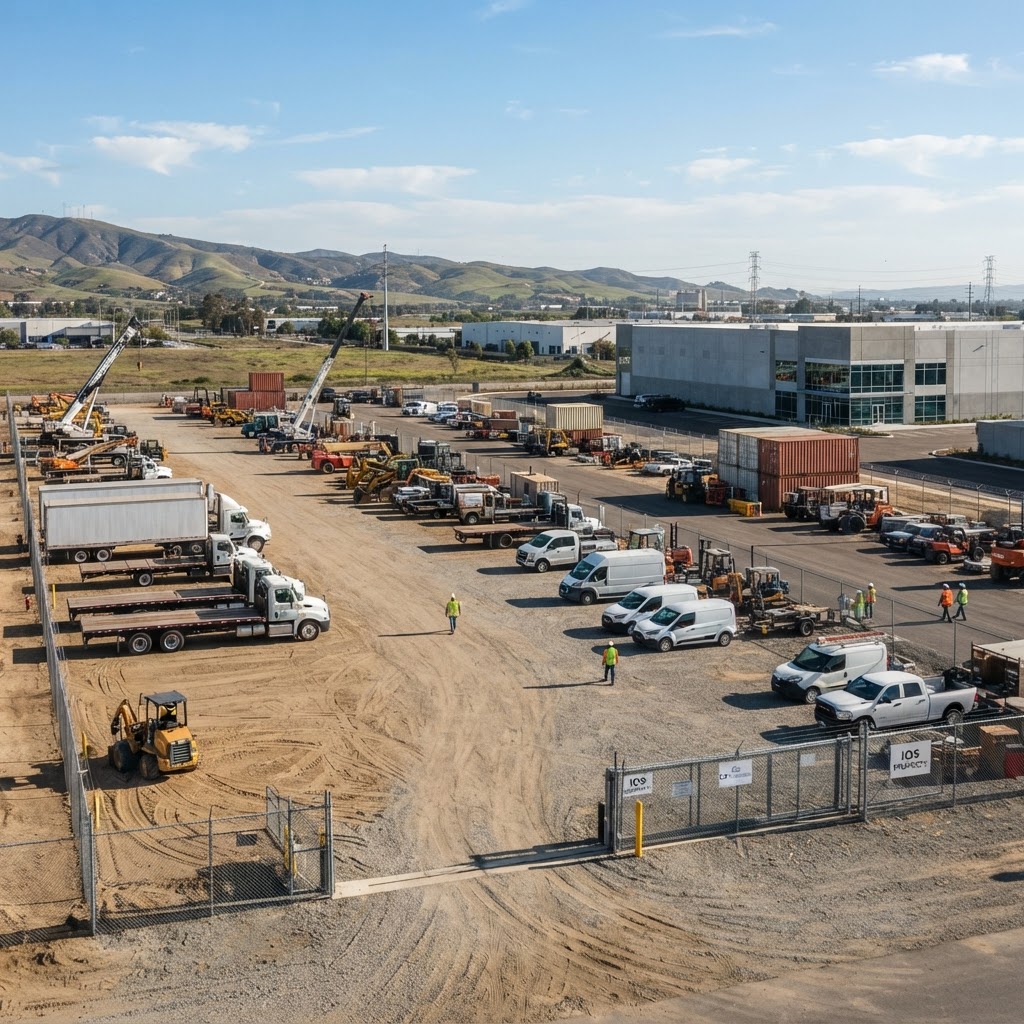
- Industrial: While leasing volume remains robust, the market is normalizing. Owners are seeing a rise in direct lease availability, necessitating a move away from broad market assumptions toward building-specific valuation.
Practical Takeaways for Investors
For those navigating the California market in late 2026, the strategy must shift from 'growth at any cost' to 'risk-adjusted certainty':
- Prioritize Ground Leases: Look for low-rent, long-term ground leases. These structures offer a hedge against inflation and interest rate fluctuations by minimizing the landlord's exposure to operational volatility.
- Focus on Credit and Term: In the STNL space, prioritize corporate credit and long lease terms. Franchisee-backed deals are currently facing wider pricing spreads and longer marketing periods, making them riskier in a 'higher-for-longer' rate environment.
- Evaluate Building-Specifics: Do not rely on regional averages. With industrial direct lease availability reaching new highs, property-specific positioning—such as functionality and location—is now more critical than ever to maintaining occupancy.
Ultimately, the 2026 California CRE market rewards the disciplined. By focusing on assets that offer inherent scarcity and long-term contractual security, investors can navigate the current rate environment while positioning themselves for the next cycle of growth.