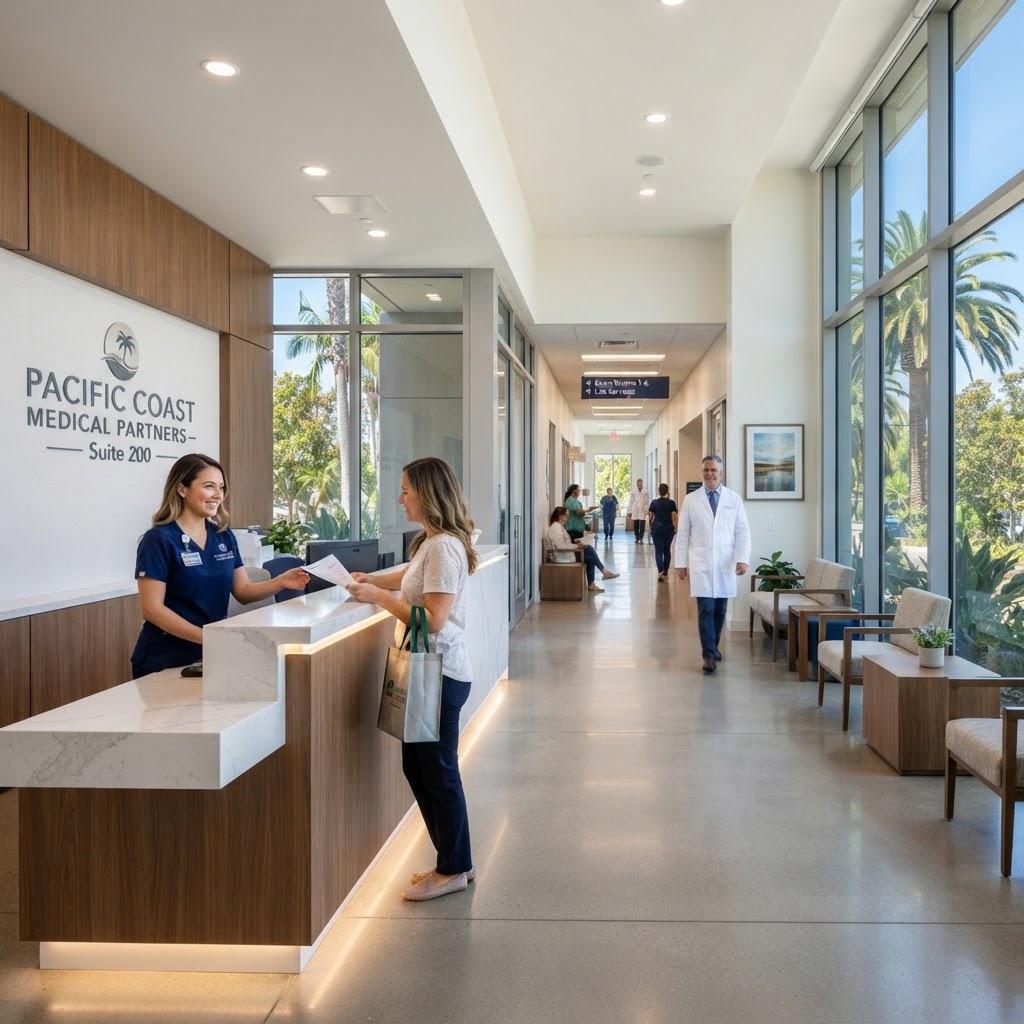
The Medical Office Pivot: California’s Resilient CRE Safe Harbor
While the broader commercial real estate (CRE) market in California continues to navigate a complex, bifurcated recovery, one sector has quietly cemented itself as a primary target for institutional and private capital: Medical Office Buildings (MOB). As investors move past the speculative fervor of previous cycles, the shift toward healthcare-aligned real estate represents a fundamental change in how California portfolios are being constructed in late 2026.
The Shift from Niche to Core
For years, medical office space was treated as a specialized niche. However, recent data indicates a transition to a core investment strategy. According to industry reports, Southern California alone boasts nearly 90 million square feet of MOB inventory, with occupancy rates consistently holding above 92%—a stark contrast to the volatility seen in traditional office sectors. This resilience is driven by the ongoing shift toward outpatient care and the mission-critical nature of healthcare services, which remain insulated from remote-work trends.
Data-Backed Resilience
The investment appetite for this sector is at its highest level since 2023, with approximately $16.3 billion in MOB transactions recorded over the past 12 months. This activity is fueled by three primary groups: institutional investors, healthcare systems, and private equity firms seeking predictable revenue streams. Unlike traditional office assets, which are still grappling with a 25.3% vacancy rate in some Los Angeles submarkets, medical office assets benefit from:
- Long-term demographic demand: An aging population continues to drive consistent utilization of outpatient facilities.
- High barrier to entry: Specialized infrastructure requirements and strict zoning make new supply difficult to bring to market, protecting existing asset values.
- Operational stability: MOBs often feature longer lease terms and credit-worthy tenants, providing a hedge against the current interest rate environment.
Implications for California Investors
For investors looking to rebalance their portfolios, the current market offers a unique window. While financing for general commercial properties remains tight—with new origination rates hovering around 6.22%—lenders continue to view healthcare real estate as a lower-risk profile. This often translates to more favorable debt terms for well-underwritten medical assets.
Practical Takeaways for the Current Cycle:
- Prioritize Asset Quality: As with the broader office market, the "flight to quality" is pronounced. Focus on properties with modern HVAC systems, proximity to major hospital networks, and flexible floor plates that can accommodate evolving medical technology.
- Evaluate NOI Growth: Investors should leverage AI-driven operational tools to optimize building management and drive Net Operating Income (NOI) growth, which remains the most reliable path to value appreciation in a high-rate environment.
- Monitor Submarket Nuance: California is not a monolith. While Southern California markets show strong absorption, investors must conduct granular due diligence on local healthcare demand drivers, as the success of an MOB is inextricably linked to the health systems and patient demographics of its immediate catchment area.
As the California CRE market enters the final stretch of 2026, the "Medical Office Pivot" is more than a trend—it is a strategic response to a market that demands discipline, predictability, and long-term utility. Investors who prioritize these mission-critical assets are positioning themselves to weather the remaining headwinds of the current economic cycle.