The Discipline Mandate: Navigating California’s Defensive CRE Shift in 2026
As of late 2026, the California commercial real estate (CRE) landscape is defined by a clear shift in investor sentiment. After years of volatility, the market is entering a transitional recovery phase where the primary objective is no longer speculative appreciation, but rather the pursuit of durability and stable cash flow. For investors, this means moving away from high-growth projections and toward defensive asset classes that can withstand ongoing interest rate fluctuations.
The Rise of Defensive Assets
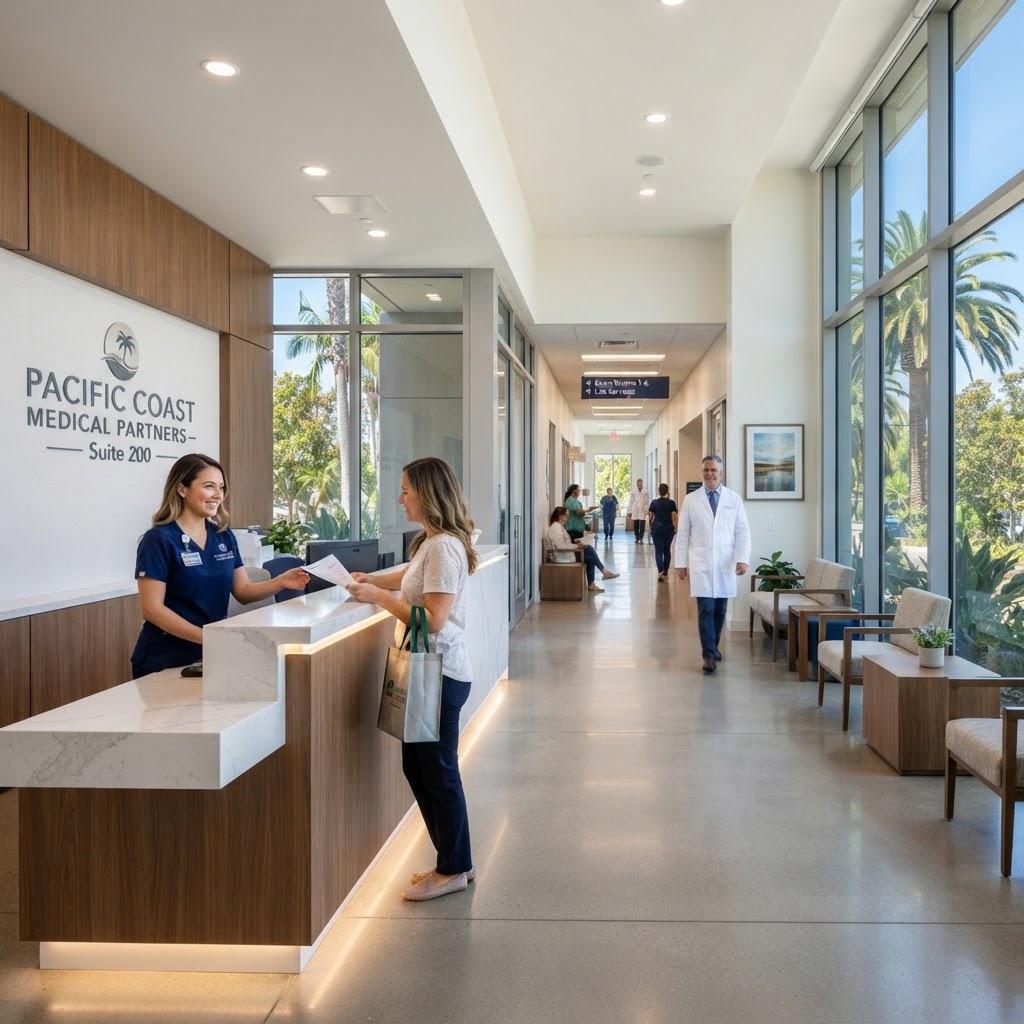
Institutional and private capital is increasingly concentrating on sectors with long-term tenant structures and limited supply pipelines. In markets like Orange County, industrial, medical office, and grocery-anchored retail have emerged as the preferred vehicles for capital deployment [6, 7]. These assets are currently trading at more stable cap rates—with medical office assets, for instance, seeing trades between 5.0% and 6.0%—reflecting their perceived safety in a higher-for-longer interest rate environment [6, 9].
Market Bifurcation and the Quality Premium
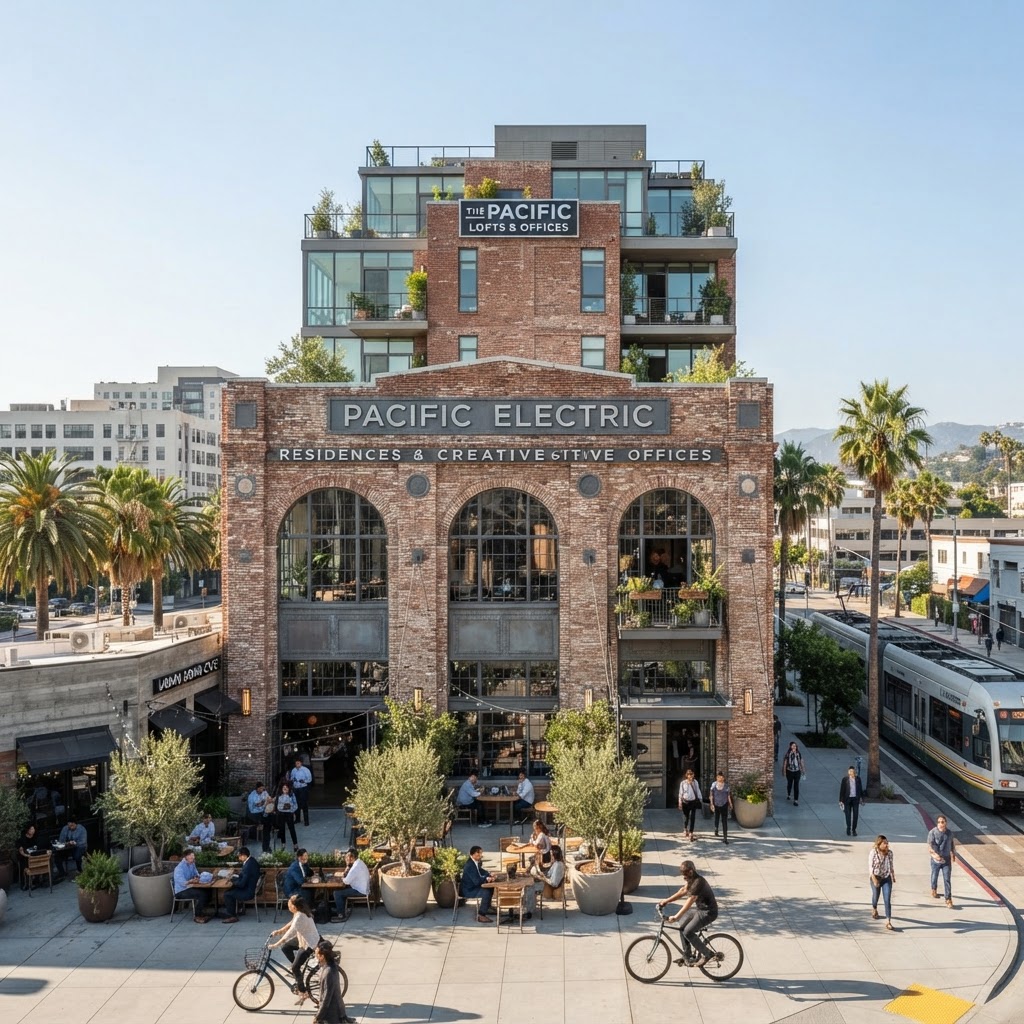
The "flight-to-quality" trend remains the dominant narrative across California. In the office sector, while older, less-amenitized properties continue to face significant vacancy and pricing pressure, newer Class A buildings are showing relative stability [6, 10]. This bifurcation is not limited to office space; retail performance is similarly split. Grocery-anchored centers with credit tenants are demonstrating resilience, whereas lifestyle and entertainment-focused retail properties are carrying higher cap rates due to their sensitivity to consumer spending volatility [7, 9].
Strategic Takeaways for California Investors
- Prioritize Cash Flow Over Speculation: With the 10-year Treasury yield remaining elevated, total returns are increasingly driven by income rather than capital appreciation [1, 4]. Focus on assets with existing, stable rent rolls.
- Monitor Debt Maturities: For owners of office or underperforming multifamily assets, the window to address maturing loans is narrowing. Proactive engagement with lenders is essential, especially for properties with occupancy levels below 80% [8].
- Leverage Localized Demand: In secondary markets like Sacramento, owner-user demand for small-bay industrial (4,000 to 50,000 square feet) remains exceptionally tight, with vacancy rates below 3% [8]. Identifying these niche opportunities can provide a hedge against broader market headwinds.
- Underwrite for Discipline: As capital returns to the market, it is doing so with stricter underwriting standards [6]. Investors should stress-test their portfolios against continued rate volatility and prioritize assets that offer defensible locations and long-term healthcare or logistics-linked demand drivers [2, 6].
While the broader U.S. market expects a gradual stabilization of interest rates heading into 2027, California investors must remain disciplined [1]. By focusing on assets that provide essential services—such as healthcare and daily-needs retail—investors can better navigate the current cycle and position themselves for the eventual return of broader market liquidity.