The Insurance-Real Estate Feedback Loop: Navigating California Property Risk
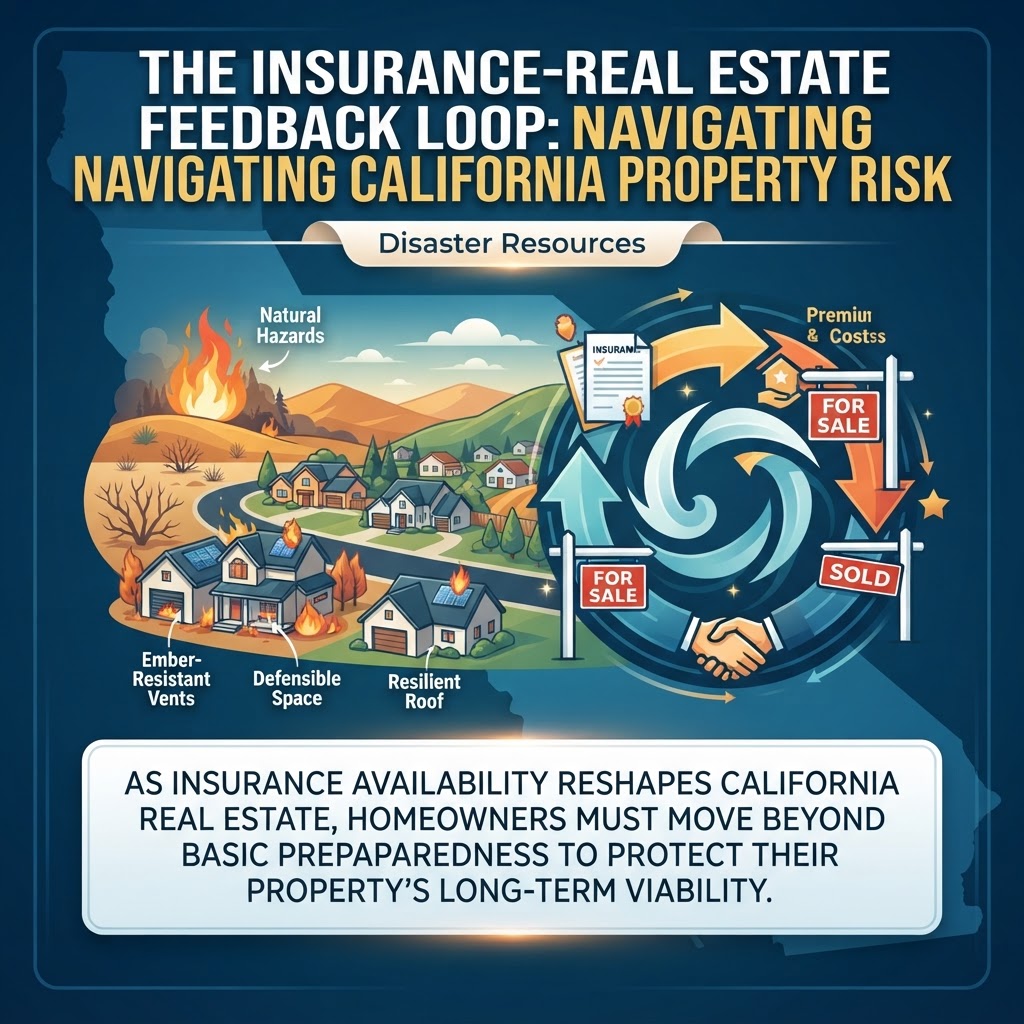
For California homeowners, the intersection of disaster risk and real estate viability has reached a critical inflection point. With one in seven realtors reporting lost deals due to insurance unavailability [5], the ability to secure and maintain coverage is now as fundamental to property value as location or square footage.
The New Reality of Property Insurability
The departure of major carriers from the California market has forced a reliance on the California FAIR Plan, which serves as a safety net but offers limited coverage—often capped at $3 million—that may not reflect the true replacement cost of high-value coastal or urban properties [3, 6]. Homeowners must recognize that standard policies are no longer guaranteed, and the underwriting process now involves granular, property-specific risk assessments that look far beyond simple zip codes [5].
Strategic Financial and Structural Preparedness
To maintain insurability and protect equity, homeowners should adopt a proactive stance:
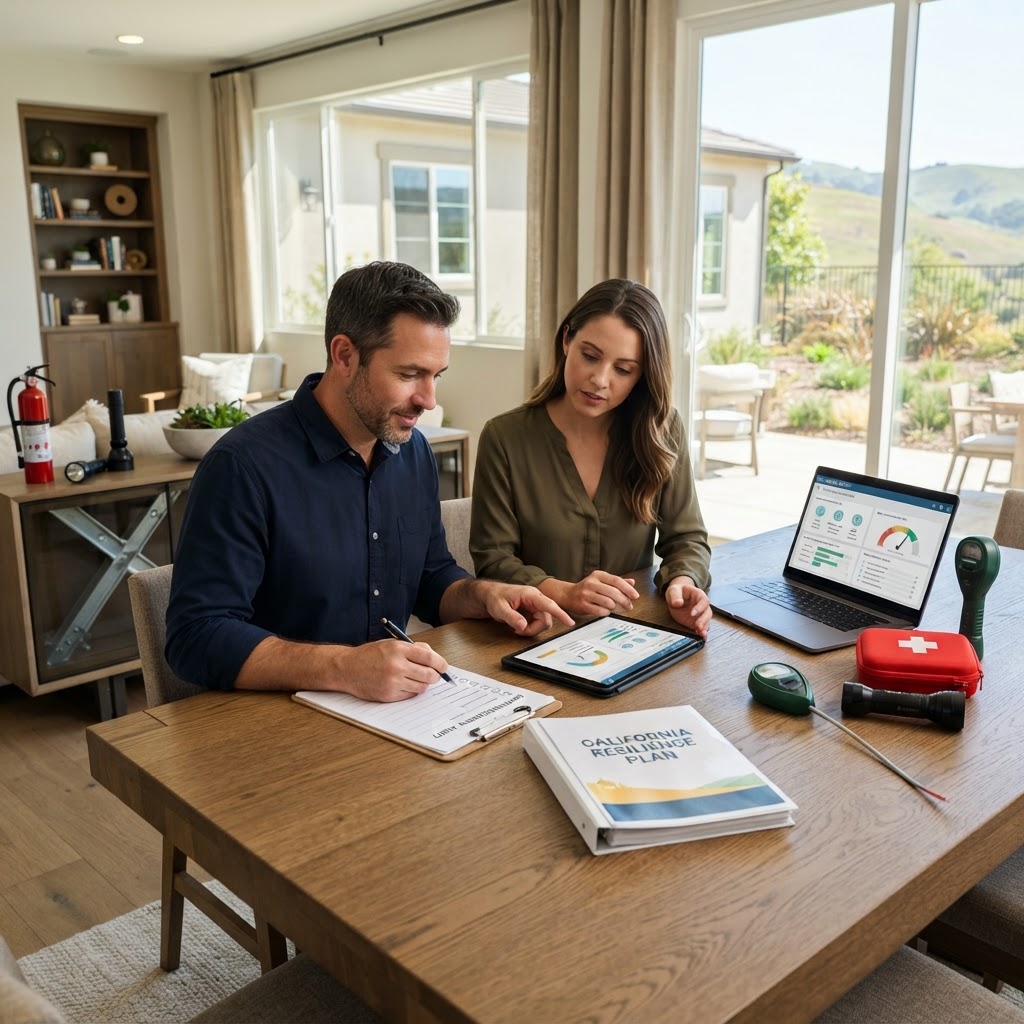
- Document and Verify: Maintain a comprehensive digital record of all home improvements, particularly those related to fire hardening or seismic retrofitting. These records are essential when negotiating with insurers or appealing non-renewal notices [1].
- Leverage Tax Relief: Property owners should be aware of disaster relief provisions, such as those offered by the State Board of Equalization, which can provide property tax relief if a property suffers damage exceeding 50% of its full cash value [7].
- Understand the FAIR Plan Limitations: If forced to rely on the FAIR Plan, homeowners must supplement this with "Difference in Conditions" (DIC) policies to cover gaps in liability, theft, and water damage that the basic plan excludes [6].
Practical Takeaways for Stakeholders
For Homeowners: Do not wait for a renewal notice to assess your risk. Engage with a broker who specializes in high-risk markets to understand your property’s specific "insurability score." If your home is in a high-risk zone, prioritize structural hardening—such as ember-resistant vents and non-combustible siding—which may eventually be recognized by insurers as a basis for premium discounts or policy retention [1, 10].
For Buyers and Investors: Insurance due diligence is now a mandatory phase of the escrow process. Before finalizing a purchase, obtain a CLUE (Comprehensive Loss Underwriting Exchange) report for the property and verify the availability of standard market insurance. Relying on the seller’s current premium is a dangerous assumption, as rates and eligibility often reset upon the transfer of title [5].
Resources for Long-Term Resilience
Beyond physical hardening, homeowners should utilize state-backed resources to stay informed. The Listos California campaign provides essential frameworks for family emergency planning [2], while the California Department of Insurance offers guidance on navigating non-renewals and understanding consumer rights during declared emergencies [1]. By integrating these resources into a broader financial strategy, homeowners can better navigate the evolving landscape of California real estate.