The Proactive Homeowner: Mastering Disaster Readiness in California
For California homeowners, disaster preparedness is no longer a seasonal checklist but a permanent pillar of property management. With the state facing a complex intersection of seismic activity, wildfire risk, and infrastructure strain, the traditional approach of relying solely on insurance is insufficient. Protecting your asset requires a shift toward active, localized risk mitigation.
Assessing Your Specific Risk Profile
General preparedness is a starting point, but effective resilience begins with data. Homeowners should utilize the MyHazards tool provided by the California Governor’s Office of Emergency Services to identify specific threats—such as liquefaction zones, fire hazard severity zones, or flood plains—that directly impact their parcel. Understanding these risks allows for targeted investments, such as defensible space clearing for wildfire or seismic bracing for older foundations.
The Infrastructure of Resilience
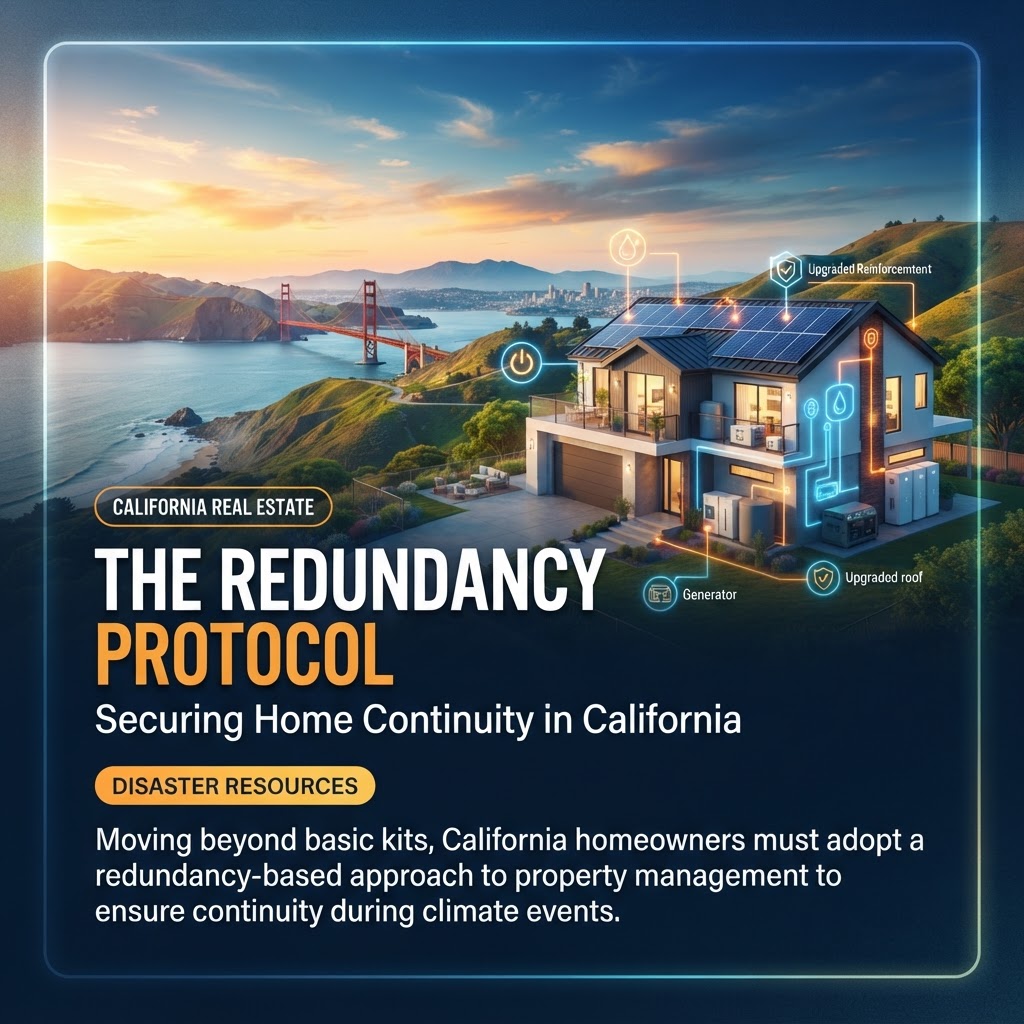
Resilience is built through physical and systemic hardening. Beyond standard maintenance, homeowners should prioritize:
- Utility Literacy: Every homeowner must know the precise location and operation of gas, water, and electrical shut-offs. In a post-disaster scenario, preventing secondary damage from gas leaks or water pipe bursts is critical to maintaining property habitability.
- Document Digitization: Secure, cloud-based storage for deeds, insurance policies, and home inventories is essential. Physical copies should be kept in a waterproof, portable 'Go Bag' alongside essential medications and contact lists.
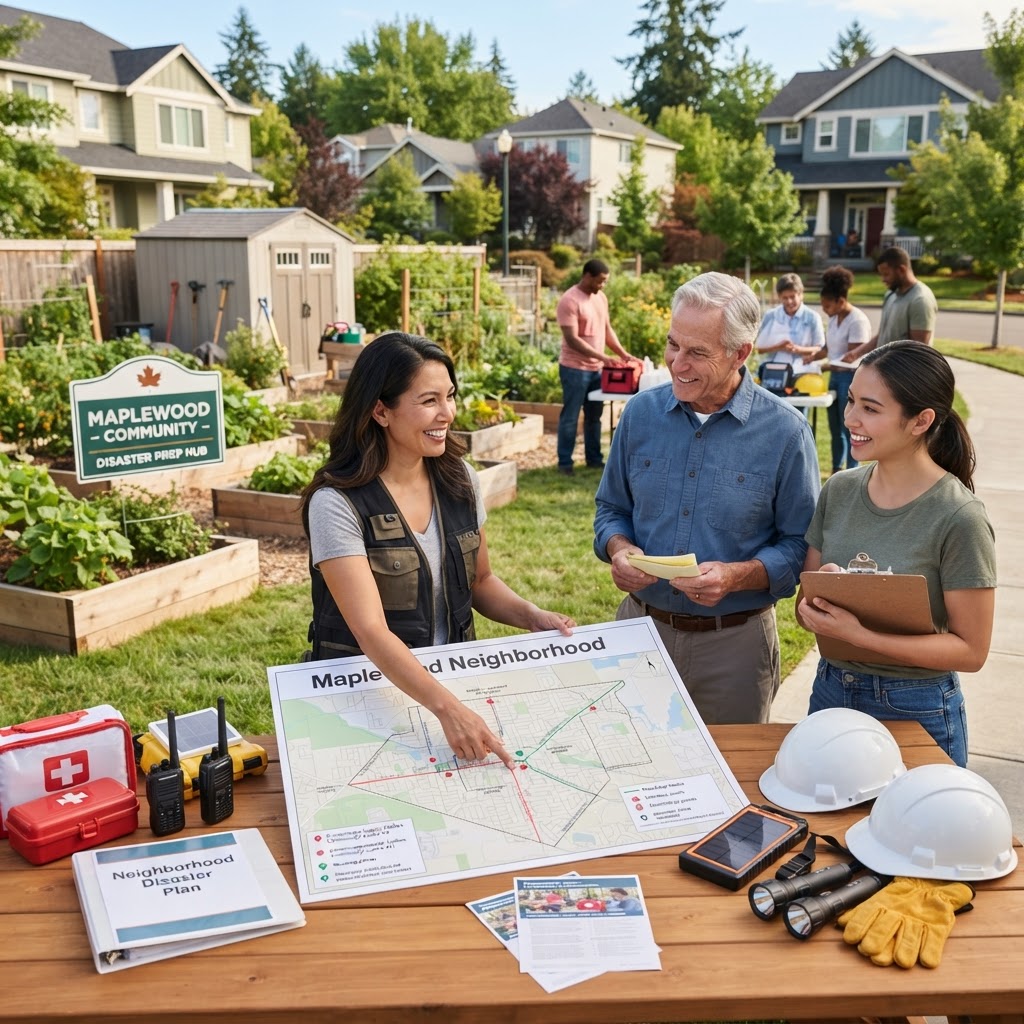
- Community Integration: Participation in local Community Emergency Response Team (CERT) training provides the skills to assist neighbors when professional emergency services are overwhelmed.
Navigating the Insurance Landscape
Standard homeowner policies often exclude specific perils like earthquakes. The California Earthquake Authority (CEA) offers specialized coverage, while the California Department of Insurance serves as the primary resource for understanding coverage gaps. Homeowners should be aware that the California FAIR Plan acts as a last-resort option for those unable to secure traditional coverage, though it comes with specific limitations and coverage caps.
Practical Takeaways for Property Owners
- Annual Drills: Treat disaster planning like a business continuity exercise. Schedule annual family drills to practice evacuation routes and communication protocols.
- Retrofitting Incentives: Explore grant programs like the Earthquake Brace + Bolt (EBB) initiative, which provides financial assistance for seismic retrofitting, directly enhancing the long-term value and safety of the home.
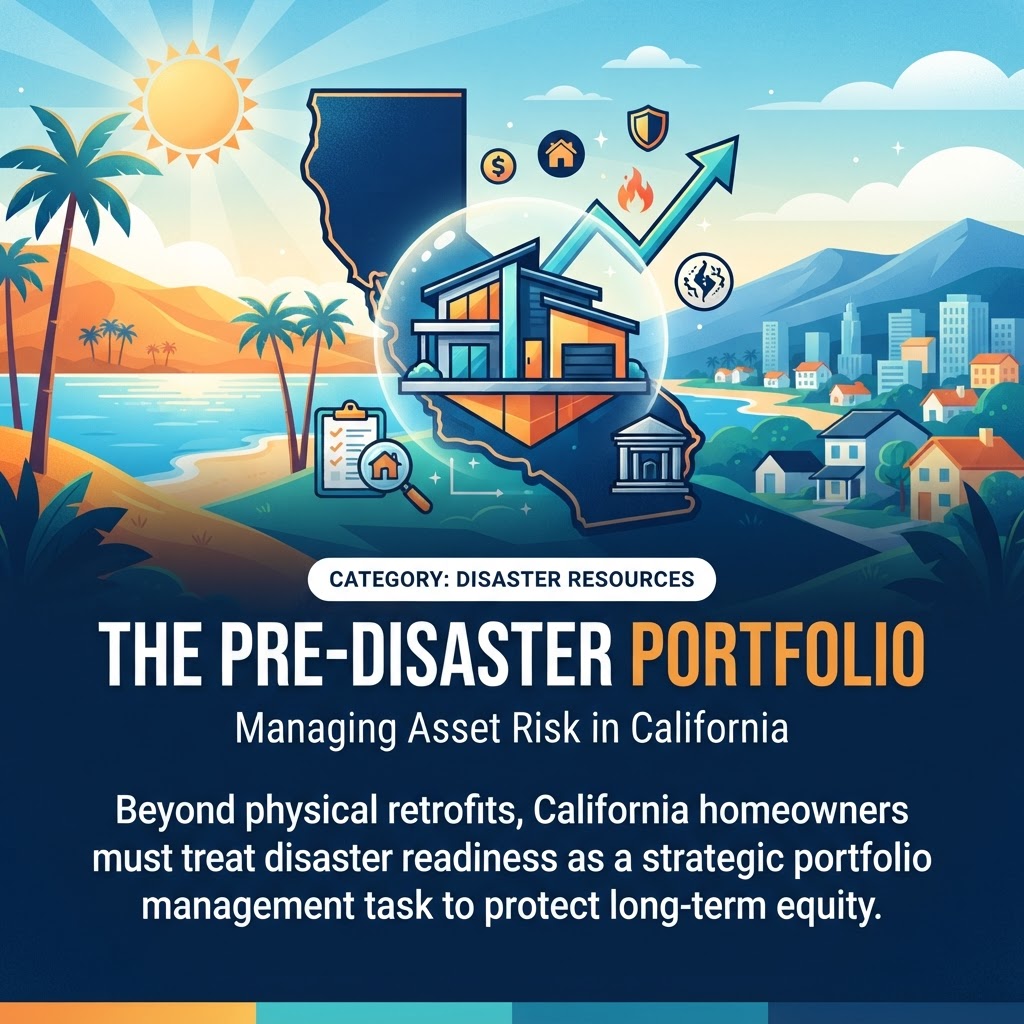
- Demand Surge Awareness: When rebuilding, understand that post-disaster construction costs often spike due to 'demand surge.' Ensure your policy limits account for current local reconstruction costs rather than just the original purchase price.
By integrating these proactive measures, California homeowners can move beyond reactive recovery and establish a foundation of resilience that protects both their families and their financial investments.