The Hyper-Local Defense: Building Neighborhood-Level Disaster Resilience
In the California real estate market, disaster preparedness has traditionally been viewed through the lens of the individual property—hardening a roof against embers or retrofitting a foundation for seismic activity. However, as the scale and frequency of natural disasters increase, a new paradigm is emerging: the hyper-local defense. For homeowners and investors, the true measure of property resilience is no longer just the structure itself, but the strength of the neighborhood network surrounding it.
The Operational Gap in Emergency Response
Data from the California Governor’s Office of Emergency Services (Cal OES) underscores a sobering reality: in the immediate aftermath of a catastrophic event, first responders may be delayed by infrastructure damage or overwhelming demand. According to the City of Berkeley’s disaster preparedness guidelines, neighbors are often the first and most effective responders during the critical "golden hour" following an incident. For property owners, this means that the value of a home is intrinsically linked to the collective readiness of the street it sits on.
Strategies for Neighborhood-Level Integration
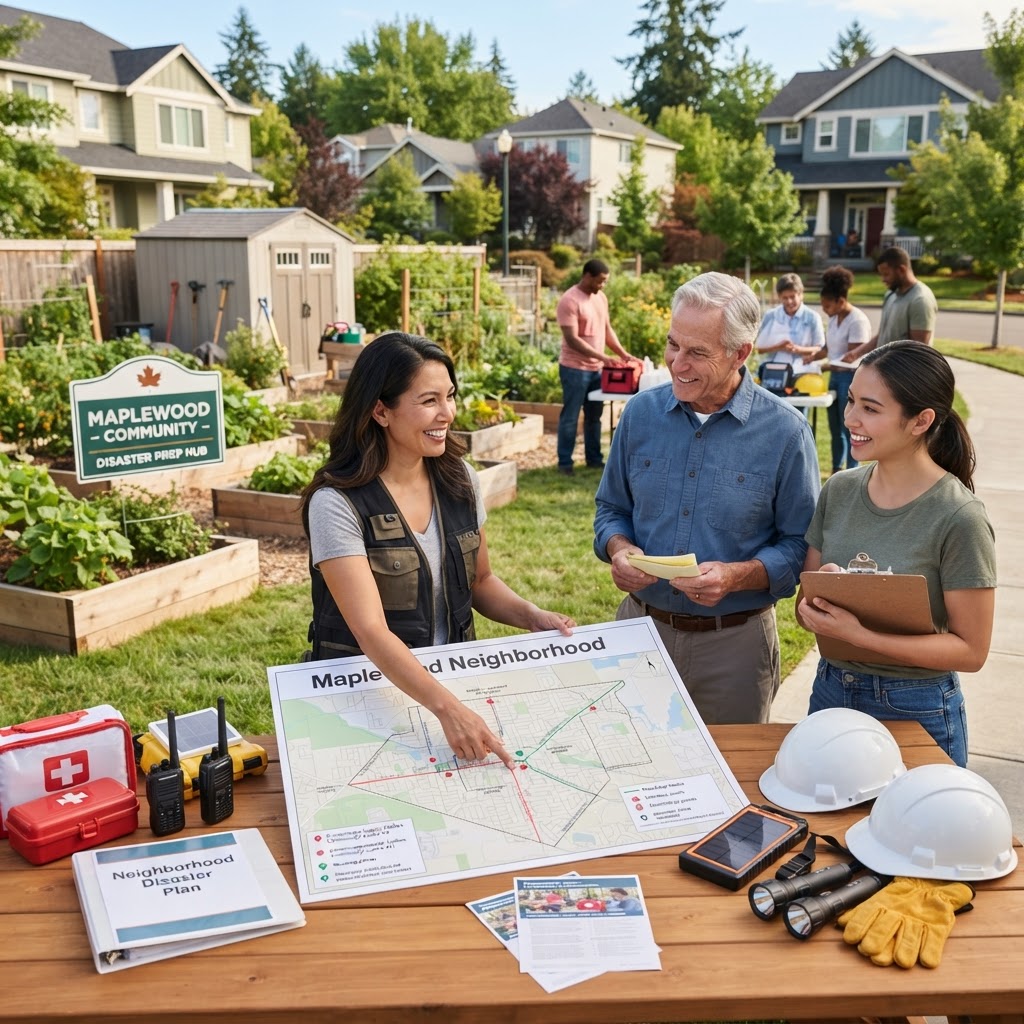
Homeowners associations (HOAs) and neighborhood groups are increasingly serving as the primary hubs for disaster continuity. To build a resilient micro-community, consider the following actionable steps:
- Skill Mapping: Identify the professional assets within your immediate vicinity. Does a neighbor have medical training, structural engineering expertise, or access to heavy equipment? Creating a directory of these skills can be a life-saving resource when external services are unavailable.
- Communication Redundancy: While digital alerts like AlertOC are essential, they rely on functioning cellular networks. Establishing a low-tech, analog communication plan—such as a designated neighborhood meeting point or a manual check-in system—ensures continuity when digital infrastructure fails.
- Shared Resource Procurement: Beyond individual "go-bags," neighborhoods can pool resources to acquire shared assets, such as portable generators, water filtration systems, or debris-clearing tools, which are often too costly or impractical for a single household to maintain.
The Financial Imperative of Collective Resilience
The financial burden of recovery often falls heavily on the private property owner. As noted by municipal guidance in cities like Aliso Viejo, government assistance from FEMA or the state is frequently limited, particularly for debris removal on private roads or common areas. By organizing as a neighborhood, property owners can better negotiate for collective debris removal services and coordinate with local agencies to access the California Disaster Recovery Framework resources more efficiently.
Practical Takeaways for Stakeholders
- For Buyers: When evaluating a property, inquire about the neighborhood’s emergency preparedness culture. A street with an active, organized disaster plan is a lower-risk investment than one where residents operate in isolation.
- For Investors: Incorporate "community resilience" into your due diligence. Properties located in areas with established neighborhood response networks are better positioned to maintain value and recover faster following a disaster.
- For Homeowners: Shift your focus from "hardening" to "connecting." Attend local disaster preparedness trainings and initiate a low-pressure neighborhood meeting to discuss shared evacuation routes and resource sharing.
Resilience in California is a team sport. By integrating individual property mitigation with neighborhood-level planning, homeowners can create a robust defense that protects both human life and long-term property value.