The Shift from Safety to Solvency
In the California real estate landscape of 2026, disaster preparedness is no longer a secondary consideration for homeowners; it is a fundamental component of property valuation. With the state facing two-thirds of the nation’s total earthquake risk and an escalating wildfire crisis, the ability to secure and maintain insurance has become the primary hurdle for marketability. According to the Independent Institute, the state’s insurance crisis has forced millions toward the FAIR Plan, making structural resilience the only viable path to returning to the private admitted market.
The Seismic Mandate: Protecting Structural Integrity
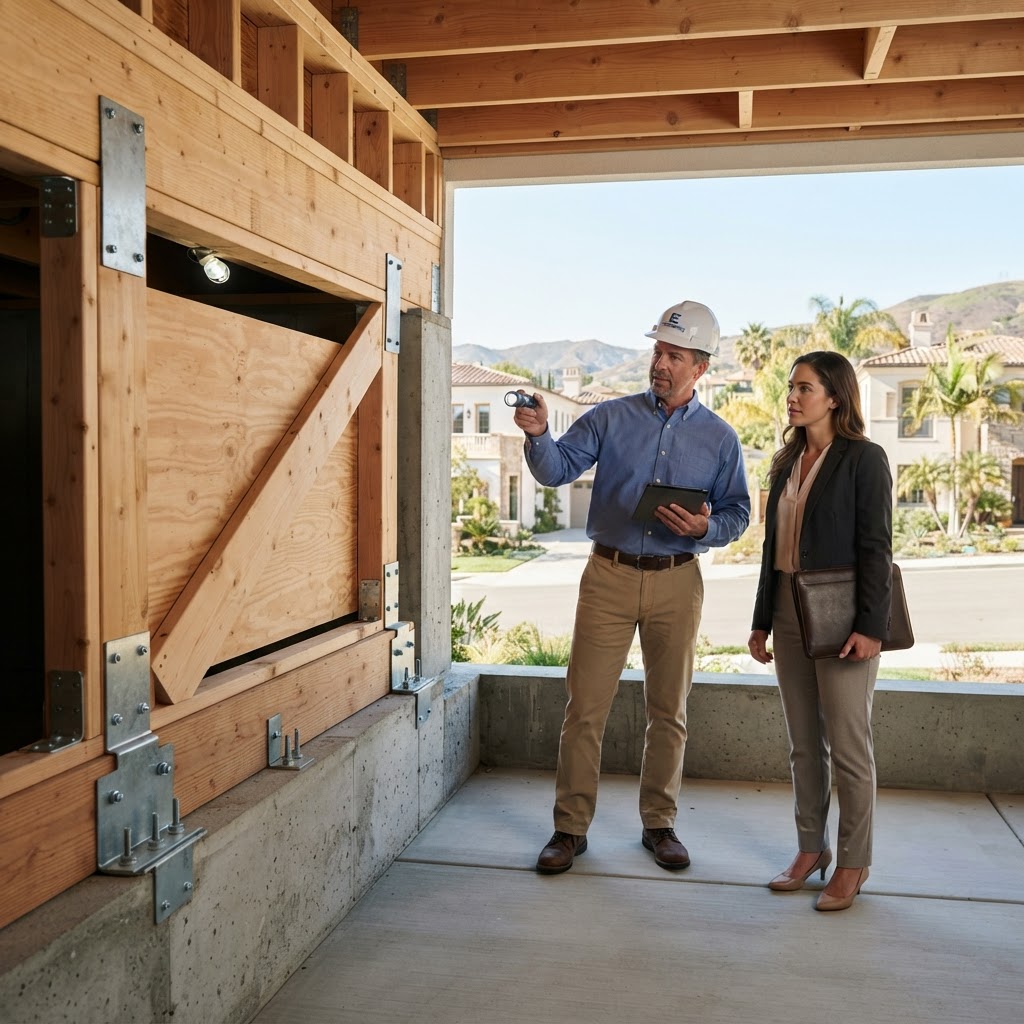
Earthquake preparedness remains a critical gap in California’s resilience profile. Data from the California Earthquake Authority (CEA) indicates that only about 10% of residents statewide carry earthquake insurance. For homeowners, the focus has shifted toward seismic retrofitting as a means of protecting equity. Older homes, particularly those built before 1980, often lack adequate sill plate bolting and cripple-wall bracing, making them highly susceptible to sliding off their foundations during a tremor.
To mitigate this, the California Residential Mitigation Program (CRMP) offers Earthquake Brace + Bolt (EBB) grants of up to $3,000 to assist with retrofitting costs. These improvements do more than provide safety; they often qualify homeowners for significant premium discounts through the CEA, directly impacting the long-term cost of ownership.
Wildfire Defense: The Ember-Resistant Home
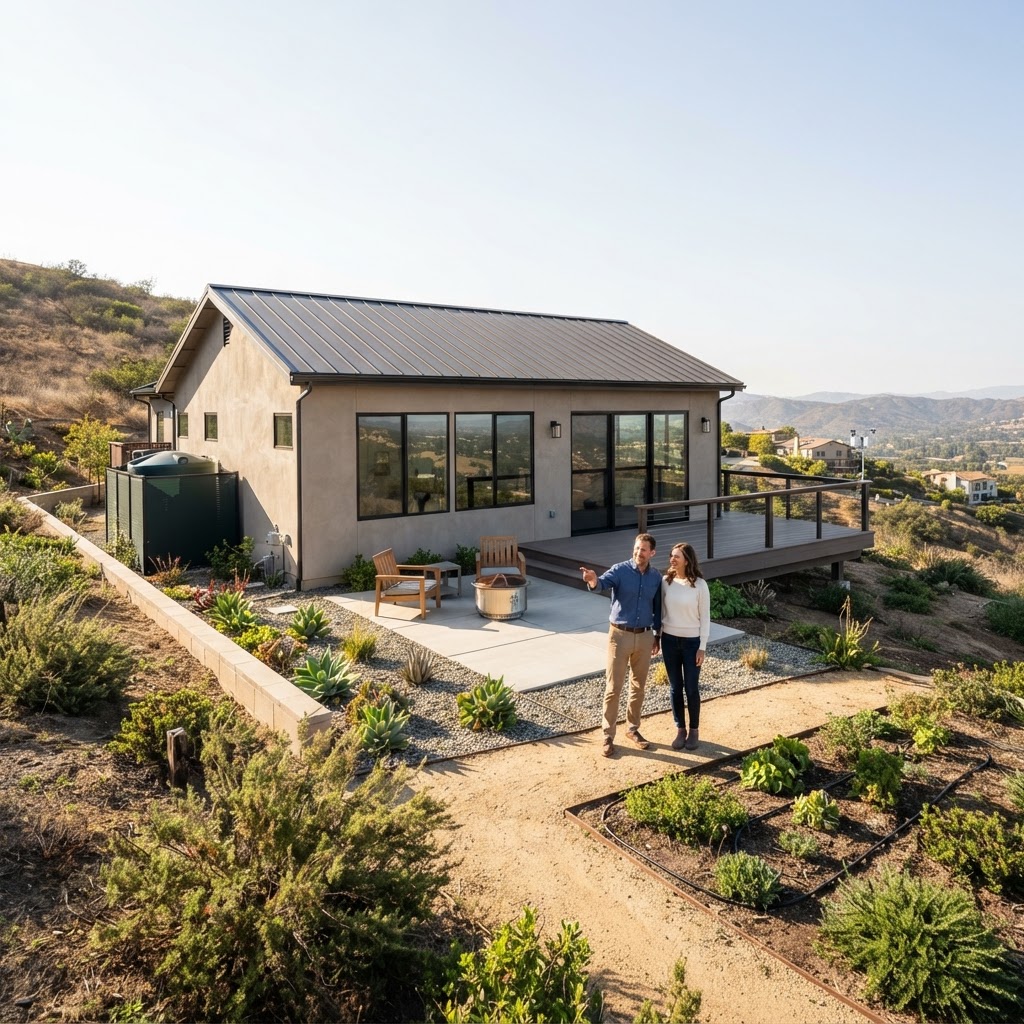
While defensible space—clearing vegetation around the home—remains mandatory, 2026 standards emphasize "home hardening." Research highlighted by FireStorm Building Products shows that up to 90% of homes lost in wildfires are ignited by embers carried miles ahead of the fire front, rather than direct flame contact.
Under the "Safer from Wildfires" framework, homeowners are now incentivized to focus on specific structural vulnerabilities:
- Vents: Replacing standard mesh with ember-resistant vents to prevent fire from entering attics or crawlspaces.
- Roofing and Gutters: Ensuring Class A fire-rated materials and installing gutter guards to prevent debris accumulation.
- Glazing: Upgrading to multi-paned windows with tempered glass to withstand extreme heat.
Navigating the 2026 Insurance Landscape
The California Department of Insurance has increasingly tied premium stability to these mitigation efforts. For those unable to find private coverage, the FAIR Plan serves as a temporary safety net, though it offers limited protection, typically covering only fire and smoke. Homeowners must often supplement this with "Difference in Conditions" (DIC) policies to cover liability, theft, and water damage.
Practical Takeaways for Homeowners and Investors
- Audit Before You Buy: Prospective buyers should request a home hardening assessment and check for seismic bolting. A home that is not "hardened" may be uninsurable in the private market, significantly increasing monthly carrying costs.
- Leverage State Grants: Utilize resources like the Cal OES Prepare California program, which provides funding for disaster-vulnerable communities to improve infrastructure and individual property resilience.
- Document Everything: Maintain a digital "Resilience Portfolio" of all retrofits and hardening measures. This documentation is essential when negotiating premiums with insurers or justifying a higher asking price during a sale.
In 2026, a resilient home is not just a safe home—it is a liquid asset. By integrating these disaster-preparedness measures, California homeowners can protect both their families and their financial futures against the state's evolving environmental risks.