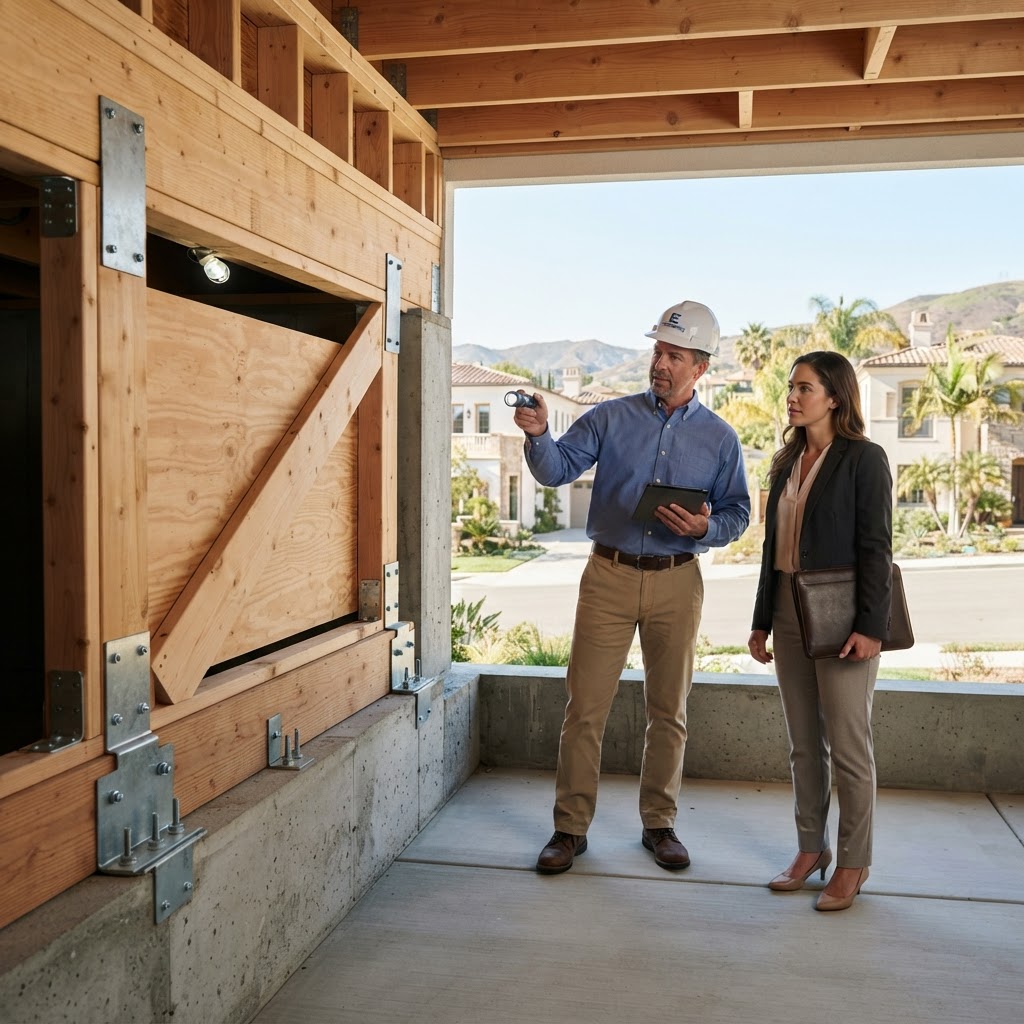
The Paradox of California Property Risk
As of August 2026, California homeowners face a unique financial paradox. While average home insurance premiums have surged 84% over the last five years according to Stanford researchers, the state’s average annual premium of $1,413 remains roughly 41% below the national average of $2,395, as reported by LendingTree’s State of Home Insurance: 2026 report. However, this relatively lower cost masks a dangerous reality: a massive "preparedness gap" where the majority of residents lack coverage for the state’s most frequent and expensive perils.
Identifying the Three Pillars of Risk
California ranks third in the nation for the likelihood of expensive natural disasters, according to government and industry data analyzed by the San Bernardino Sun. To achieve true resilience, homeowners must audit their protection across three distinct pillars:
- Wildfire: Fifteen of the state’s twenty most catastrophic wildfires have occurred since 2015, per Moody’s. While standard policies cover fire, many insurers are now requiring specific mitigation steps under the "Safer from Wildfires" framework to maintain eligibility.
- Earthquake: Despite the constant threat, only about 10% to 13% of California homeowners carry earthquake insurance, according to the California Earthquake Authority (CEA). Standard policies explicitly exclude earth movement.
- Flood: At least 7 million residents and $900 billion in infrastructure are at risk of flooding, yet there are only approximately 180,000 National Flood Insurance Program (NFIP) policies in the state, as noted in a UC Davis scoping report.
The Homeowner’s Resilience Audit
To navigate this landscape, investors and residents should perform a "Total Protection Audit" using the following steps:
1. Verify Coverage for Secondary Perils
Review your policy for exclusions. If you do not have a separate earthquake or flood policy, you are likely 100% self-insured for those risks. The California Department of Insurance warns that "wear and tear" and earth movement are standard exclusions that require specific endorsements or separate policies.
2. Leverage Regulatory Discounts
Under current regulations, insurers must provide discounts for homeowners who take "Safer from Wildfires" actions. This includes structural hardening (such as ember-resistant vents) and maintaining defensible space. Consult the Department of Insurance Wildfire Resources to identify which upgrades will lower your specific premium.
3. Utilize State Preparedness Tools
Only 42% of homeowners currently feel prepared for a disaster, according to the Public Policy Institute of California. Homeowners should utilize Listos California for five-step readiness plans and the California Preparedness Platform (Cal PreP) for localized hazard data.
Practical Takeaways for 2026
- For Buyers: Factor in the cost of supplemental earthquake and flood insurance during the escrow period. In San Diego, for example, earthquake coverage can range from $100 to $444 annually, a small price for protecting home equity, per the Insurance Information Institute.
- For Sellers: Document all seismic retrofitting and wildfire hardening. Homes that are "bolt and braced" or meet modern wildfire standards are increasingly favored by insurers, making them more liquid assets in high-risk zones.
- For Investors: Monitor the NFIP participation rates. As premiums rise, the "insurance gap" in flood-prone areas creates significant liability for portfolios that rely solely on standard multi-peril policies.