As of August 2026, California homeowners find themselves at a critical crossroads between escalating environmental risks and a shifting legislative landscape designed to keep the insurance market solvent. Despite the devastating impact of the January 2025 Palisades Fire, which resulted in over $20 billion in insured losses, a recent report from the Public Policy Institute of California reveals a startling 'preparedness gap': only 52% of residents currently maintain a disaster supplies kit, a decline from 60% two decades ago ("Disaster Perceptions and Preparedness," PPIC, 2026).
The Insurance Paradox: Coverage vs. Cost
While headlines often focus on rising premiums, data suggests California remains a relatively high-value market for coverage. The average California policy covers approximately $488,000 in repairs—43% above the national average—yet the premium-to-coverage ratio stands at just 0.6% ("Is California home insurance cheap, considering the risks?", San Bernardino Sun, 2026). However, maintaining this ratio depends heavily on proactive mitigation. In late 2025, new state laws were enacted to address the insurance crisis, specifically targeting fire mitigation grants for homeowners in 'high' or 'very high' fire risk zones as identified by CalFire ("California Takes Aim at Home Insurance Crisis With New Laws," Governing, 2025).
Leveraging State-Funded Resilience
In July 2026, the state doubled down on resilience with a $100 million investment in emergency preparedness programs administered by the California Governor’s Office of Emergency Services (Cal OES) ("California invests $100 million in emergency preparedness," Sacramento Bee, 2026). For homeowners, this funding translates into tangible opportunities to harden properties against the state's primary threats: wildfires, earthquakes, and floods.
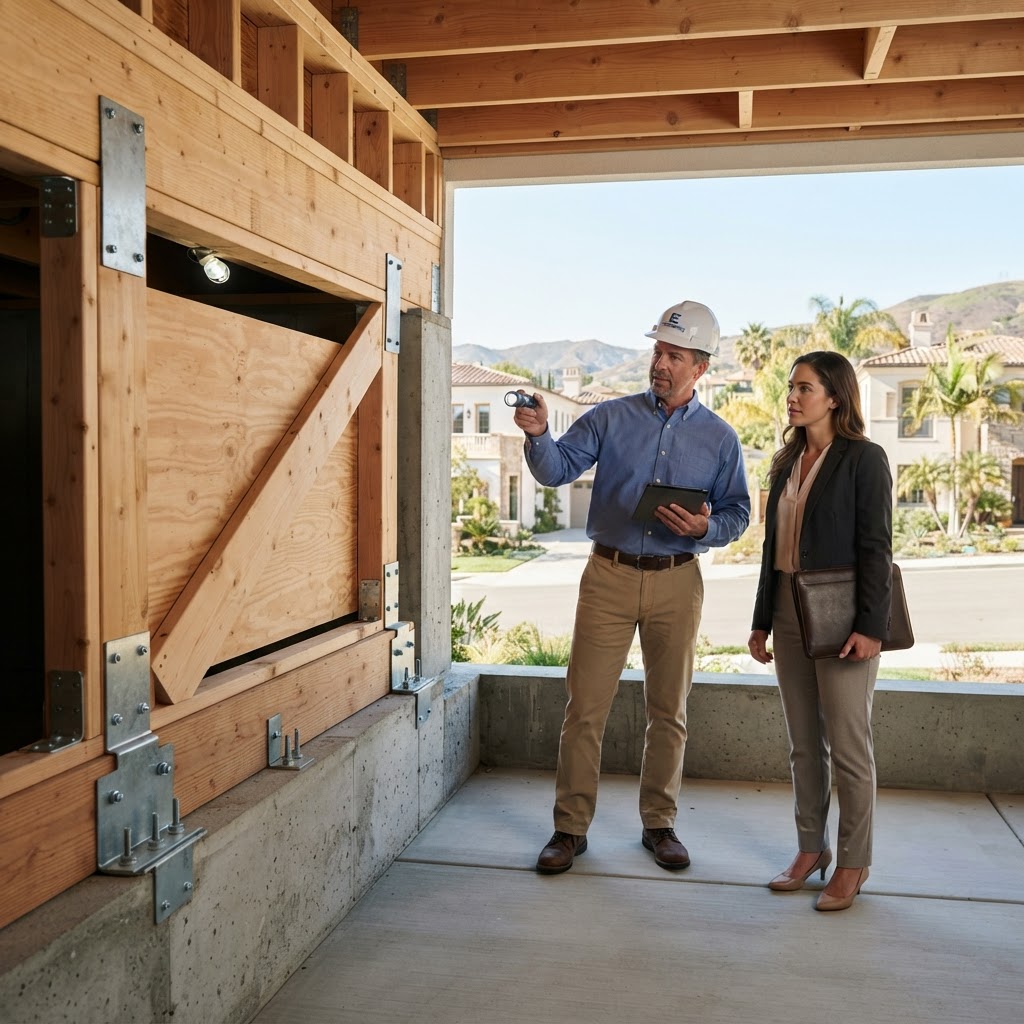
- Seismic Retrofitting: The Earthquake Brace + Bolt program continues to offer grants of up to $3,000 for structural risks and geologic hazards ("Prepare your home for a disaster," CA.gov, 2026).
- Wildfire Hardening: New legislative frameworks allow cities and counties to apply for grants that directly assist low-to-moderate income homeowners in high-risk ZIP codes with fire mitigation ("California Takes Aim at Home Insurance Crisis With New Laws," Governing, 2025).
- Flood Insurance: Standard policies still exclude flood damage; homeowners are encouraged to use tools like the MyHazards Webpage to identify specific local risks and secure separate NFIP coverage ("Disaster and Emergency Resources," CA Dept of Education).
Practical Takeaways for Homeowners
To navigate this environment, investors and residents should prioritize the following actions:
- Conduct a Digital Home Inventory: Use the California Department of Insurance guide to document belongings. This is essential for speeding up claims in a market where insured losses are hitting record highs ("Home Inventory Guide," California Department of Insurance).
- Verify Grant Eligibility: Check if your property falls within a high-risk zone to qualify for the latest round of state-funded mitigation grants, which can significantly lower long-term insurance premiums.
- Update Emergency Kits: Ensure kits contain at least a three-to-seven-day supply of water (one gallon per person per day) and non-perishable food ("Disaster Supply Kit Checklist," OCFA, 2025).
- Monitor Early Warning Systems: Sign up for MyShake for earthquake alerts and local Cal OES notifications to mitigate immediate physical risks to residents ("Disaster Preparedness," Assemblymember Al Muratsuchi, 2026).