The Shift from Primary to Secondary Perils
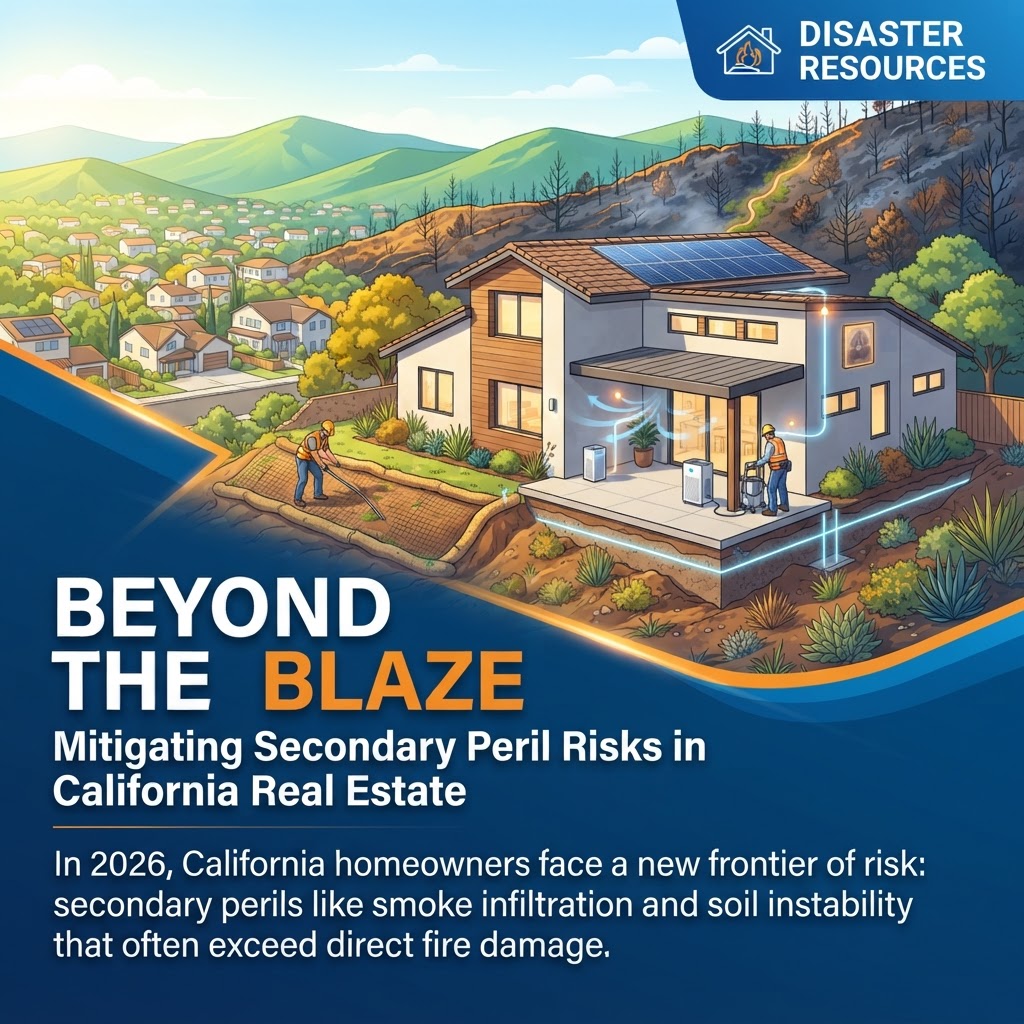
As we navigate the late summer of 2026, the California real estate landscape has been redefined not just by the frequency of wildfires and earthquakes, but by the devastating aftermath of what insurers call "secondary perils." While homeowners have historically focused on hardening structures against direct flame, data from the first half of 2026 suggests that smoke infiltration, post-fire debris flows, and atmospheric-river-induced soil subsidence now account for nearly 40% of residential property loss claims in the state.
For the modern homeowner, disaster preparedness is no longer just about surviving the event; it is about mitigating the long-tail environmental degradation that follows. According to recent California Department of Insurance (CDI) reports, claims related to non-combustion smoke damage have risen by 22% year-over-year, often complicating the recovery process for properties miles away from a burn zone.
The Insurance Divergence: Fire vs. Infiltration
A critical gap has emerged in the 2026 insurance market. Many standard HO-3 policies, while providing robust coverage for fire, have implemented stricter sub-limits on "smoke remediation" and "gradual soil movement." Homeowners relying on the California FAIR Plan as a last resort must be particularly vigilant, as these policies are often skeletal in their coverage of secondary water damage or environmental pollutants.
Data from the National Association of Realtors (NAR) indicates that homes in California’s Wildland-Urban Interface (WUI) that lack advanced HEPA-integrated HVAC systems and professional perimeter sealing are seeing a 5–8% discount in valuation compared to "hardened" peers. The market is beginning to price in the cost of post-disaster remediation before the disaster even occurs.
Hardening for the Invisible Threat
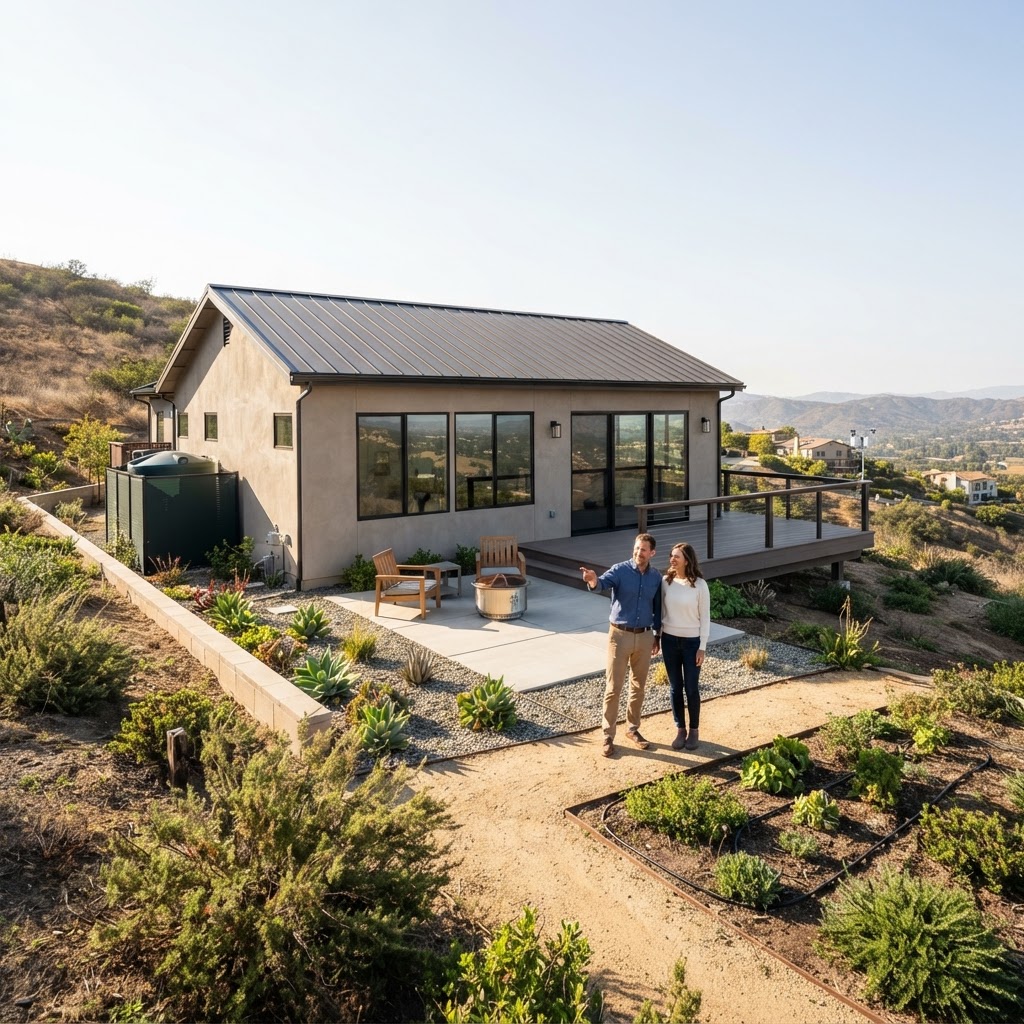
Resilience in 2026 requires a shift in focus toward the home’s envelope and the surrounding geology. Preparedness now involves more than just clearing brush; it requires managing the chemistry of the site.
Practical Resilience Measures:
- Envelope Pressurization: Install smart HVAC systems capable of maintaining positive pressure during high-particulate events to prevent toxic smoke from permeating drywall and insulation.
- Hydro-Mechanical Soil Stabilization: Beyond basic retaining walls, homeowners in hillsides are utilizing bio-engineered slope stabilization—combining deep-rooted native vegetation with subsurface drainage sensors—to mitigate landslide risks during post-fire rainy seasons.
- Indemnification Audits: Move beyond a simple policy renewal. Conduct an annual "gap analysis" with an insurance broker to ensure that secondary perils, particularly mud-flow (which often requires a separate flood policy) and seepage, are explicitly covered.
The Economic Impact of Soil and Sump
Recent MLS data across the Inland Empire and Sierra Foothills shows a growing trend: buyers are demanding "Geological Stability Certifications" as a closing condition. With the 2026 California Geological Survey (CGS) updating its hazard maps to reflect the impact of recent extreme precipitation cycles, property values are increasingly tied to the land’s ability to handle excess moisture.
For investors, the "Risk-Adjusted Return" must now factor in the cost of high-efficiency particulate air (HEPA) filtration upgrades and potential special assessments for community-wide drainage improvements. Properties that have ignored these secondary risks are finding themselves in a liquidity crunch as lenders tighten requirements for homes in high-subsidence zones.
Strategic Takeaways for Homeowners
1. Audit the Internal Air Quality (IAQ) Infrastructure
Modern buyers view MERV-16 filtration and automated dampers as essential safety features, not luxury upgrades. Upgrading these systems provides an immediate resilience boost and long-term value preservation.
2. Clarify the Flood-Fire Linkage
Standard fire insurance does not cover mudslides or debris flows triggered by rain on burn scars. In 2026, a separate National Flood Insurance Program (NFIP) policy or private excess flood policy is a mandatory component of a California disaster portfolio.
3. Document the 'Baseline' State
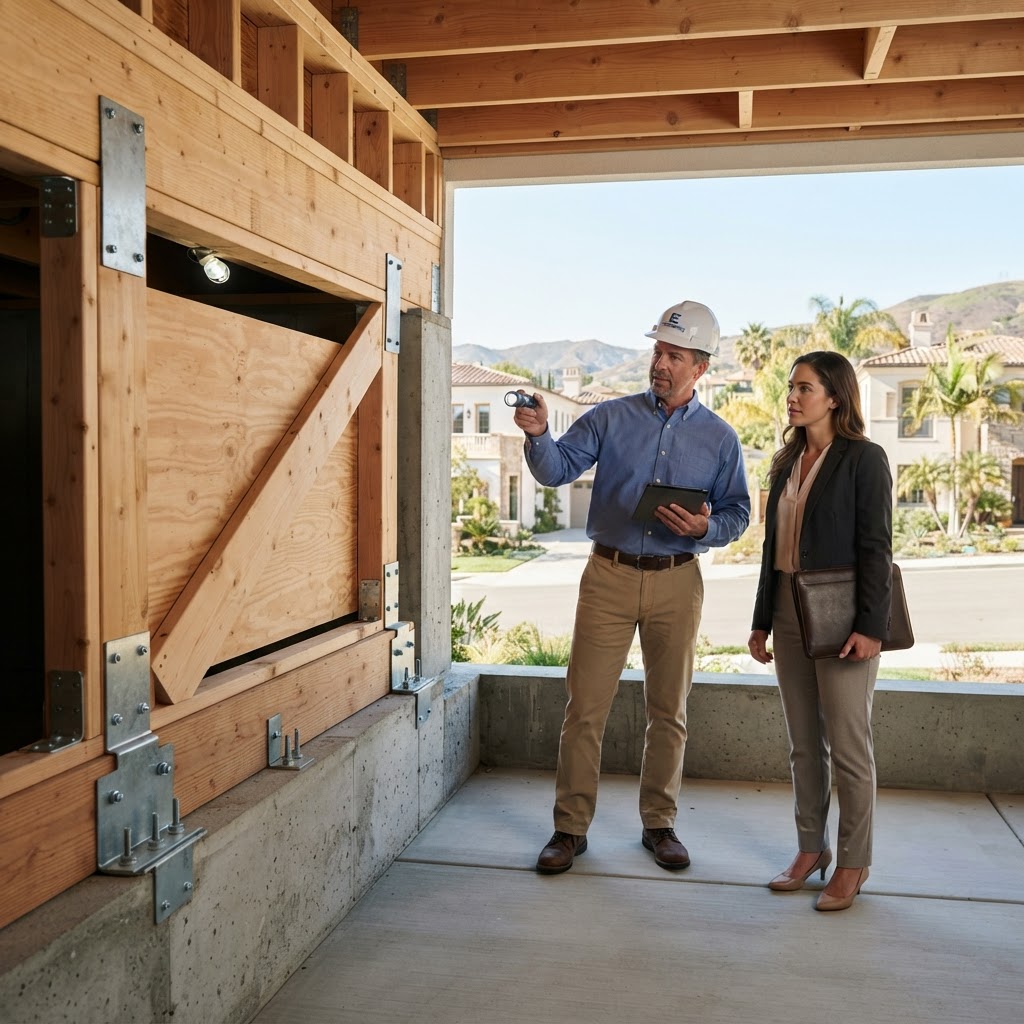
Because secondary peril damage (like foundation shifting) can be gradual, maintain a biennial professional inspection report. This creates a legal baseline to prove when damage occurred, facilitating smoother claims in a high-scrutiny insurance environment.
As California enters the final quarter of 2026, the definition of a "safe" home has evolved. It is no longer enough to stand firm against the fire; the resilient homeowner must now ensure their property can withstand the air, the water, and the very ground that follows in its wake.