The Post-Disaster Bottleneck: Beyond the Claim
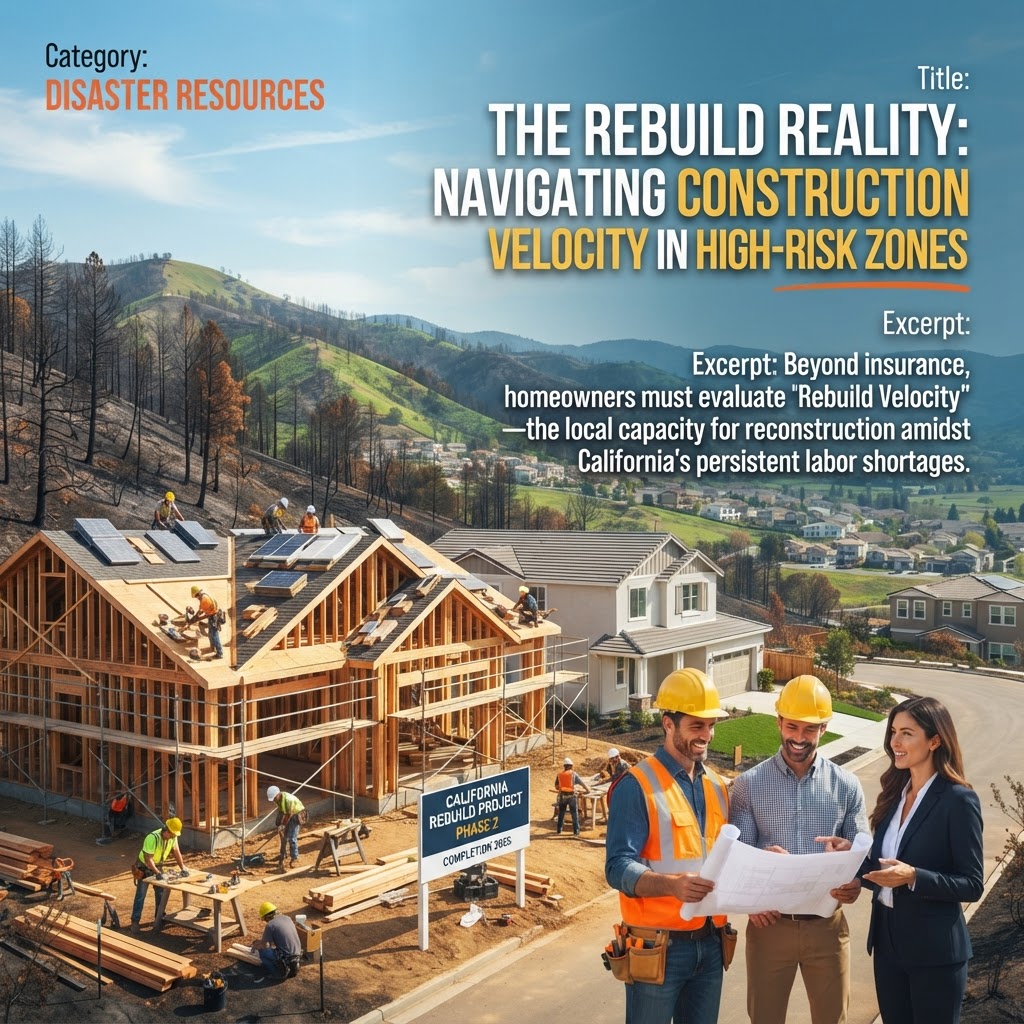
As of August 2026, California’s hazard landscape has shifted the definition of disaster preparedness. While previous strategies focused on immediate survival and insurance procurement, a new variable has emerged as the primary determinant of property recovery: Rebuild Velocity. In a market where the California Department of Insurance reports a 14% year-over-year increase in construction premiums, the bottleneck is no longer just funding—it is the physical capacity to reconstruct.
For homeowners, preparedness now requires an audit of local labor markets and regulatory speed. According to data from the Bureau of Labor Statistics (BLS), California’s construction workforce has not kept pace with the demand created by successive wildfire and atmospheric river events, leading to a 'reconstruction lag' that currently averages 18 to 24 months for total loss claims in high-risk counties.
The Labor-to-Loss Ratio
The primary risk factor for 2026 isn't just the fire or the flood; it is the competition for resources in the aftermath. Analysis of recent MLS data in recovery zones suggests that properties in areas with a low 'Labor-to-Loss Ratio'—where the volume of damaged structures far outweighs the local licensed contractor pool—see a 12% slower recovery in asset value compared to urban centers.
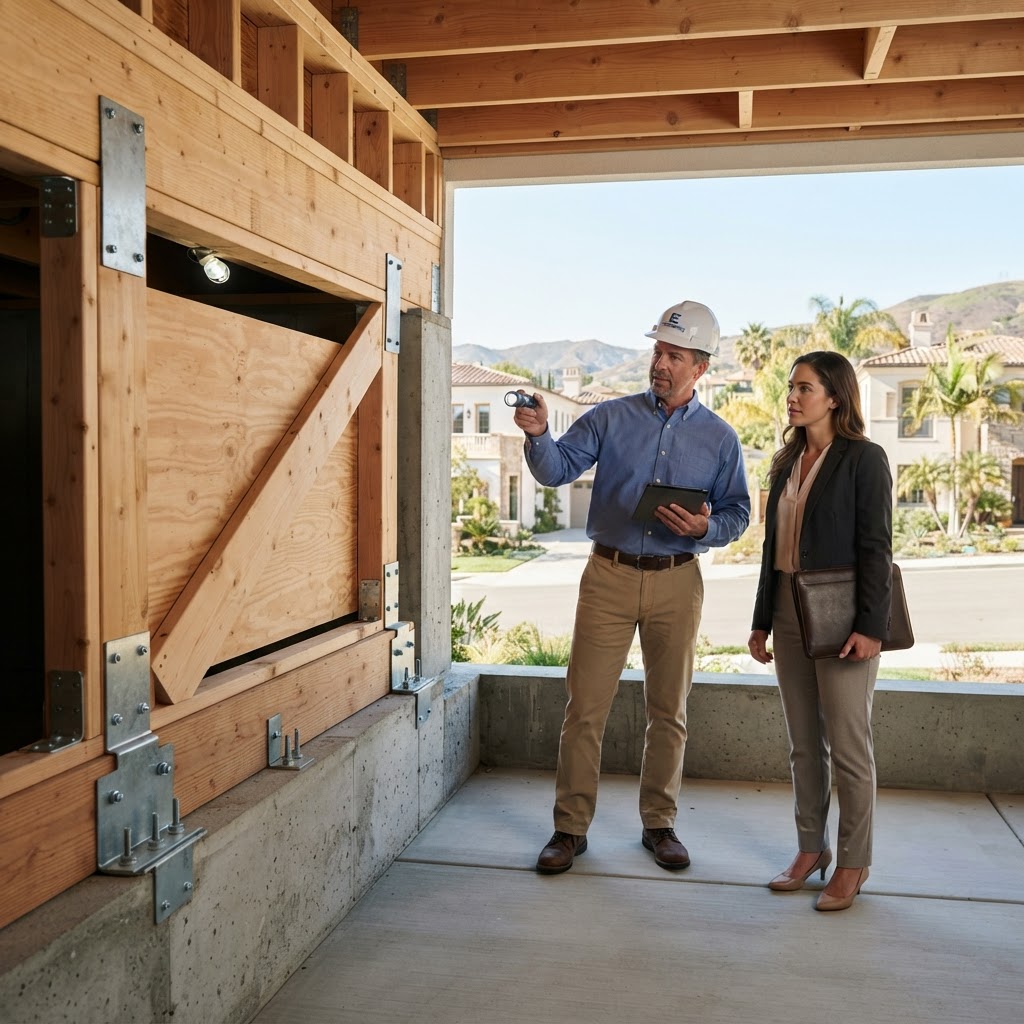
Furthermore, the 2026 updates to California’s Title 24 building standards have increased the complexity of rebuilds. These mandates, while improving long-term resilience, require specialized labor familiar with advanced wildfire-resistant materials and energy-neutral systems. This specialization further narrows the pool of available builders, turning a standard insurance payout into a logistical challenge.
Closing the Coverage Gap: The 150% Rule
Standard homeowners insurance often falls short when localized disasters trigger a 'surge' in material and labor costs. Data from the Insurance Institute for Business & Home Safety (IBHS) indicates that during mass recovery events, the cost of materials like fire-rated siding and mass timber can spike by as much as 40% above pre-disaster levels.
To mitigate this, investors and homeowners are shifting toward 'Extended Replacement Cost' endorsements that provide at least 150% of the dwelling’s stated value. This is no longer a luxury but a necessity for maintaining property viability in the Sierra Foothills and Coastal Ranges, where supply chain logistics are most strained.
Strategic Preparedness: Practical Takeaways
- Audit Your Rebuild Timeline: Consult with local builders to establish a realistic 'time-to-occupancy' estimate for your specific micro-market. Factor this into your Loss of Use coverage to ensure it extends at least 24 months.
- Secure Prequalified Contractor Lists: Do not wait for a disaster to vet professionals. Maintain a 'resilience roster' of contractors who are certified in Wildland-Urban Interface (WUI) building standards.
- Evaluate Prefabricated Redundancy: With site-built labor scarce, explore 'pre-permitted' modular rebuild options. Many California municipalities are fast-tracking ADUs and modular primary residences that meet the 2026 building codes.
- Monitor the 'Recovery Reserve': Ensure your liquidity includes a 'soft cost' buffer. Even with full insurance, the cost of temporary housing, permitting fees, and architectural updates to meet new codes can exceed standard payouts by 10-15%.
The New Era of Resilience
In the California market of 2026, disaster preparedness is an exercise in supply chain management. By acknowledging the limits of the local construction industry and adjusting insurance and logistics accordingly, homeowners can protect not just their physical safety, but the long-term equity of their assets. Resilience is no longer just about standing strong against the elements—it is about the speed at which you can rise from the ashes.