The New Baseline for California Property Value
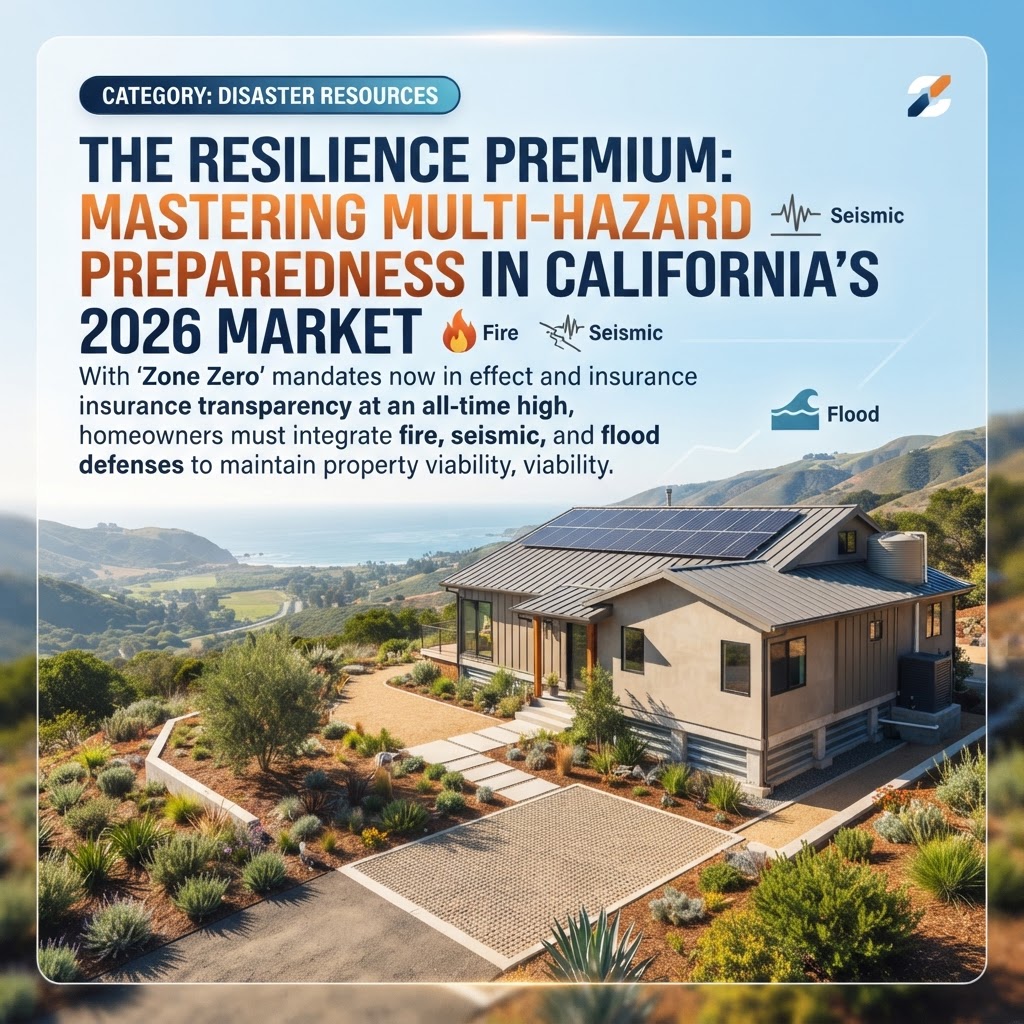
As of August 2026, the California real estate landscape has shifted from viewing disaster preparedness as a seasonal chore to a fundamental component of property valuation. With the full implementation of 'Zone Zero' ember-resistant mandates earlier this year and the increasing integration of climate-risk data into the Multiple Listing Service (MLS), homeowners who fail to synchronize their defenses against fire, seismic, and hydrologic threats face more than just physical risk—they face a 'resilience discount' at the closing table.
The 'Zone Zero' Mandate and Fire Hardening
The most significant regulatory shift for homeowners in 2026 is the enforcement of Zone Zero. According to the California Wildfire & Forest Resilience Task Force, new laws effective January 1, 2026, require strict mitigation within five feet of the home. This includes the removal of all combustible vegetation and the installation of fire-safe roofs and ember-resistant vents.
Data from the American Red Cross indicates that working smoke alarms alone decrease the risk of death from home fires by 50 percent, but in the Wildland-Urban Interface (WUI), external hardening is what saves the structure. Homeowners should prioritize:
- Ember-Resistant Vents: Replacing standard mesh with specialized vents to prevent wind-blown embers from entering attics.
- Defensible Space: Maintaining the 100-foot buffer required by Public Resources Code 4291, now scrutinized more heavily by insurers during policy renewals.
Navigating the 2026 Insurance Landscape
The insurance market remains a primary concern for California residents. Under current regulations, insurers must provide policyholders with at least 75 days' notice before a non-renewal, as noted by the California Department of Insurance. For those pushed out of the voluntary market, the California FAIR Plan serves as the insurer of last resort for fire and smoke coverage.
However, the FAIR Plan is often insufficient for comprehensive protection. Savvy investors are increasingly utilizing Difference in Conditions (DIC) policies to fill the gaps in liability, theft, and water damage that basic fire policies leave behind. Furthermore, with the National Flood Insurance Program (NFIP) updating its risk mapping in March 2026, homeowners in burn scars must recognize that wildfire risk is often followed by flood risk due to hydrophobic soils.
Seismic Resilience and Early Warning Systems
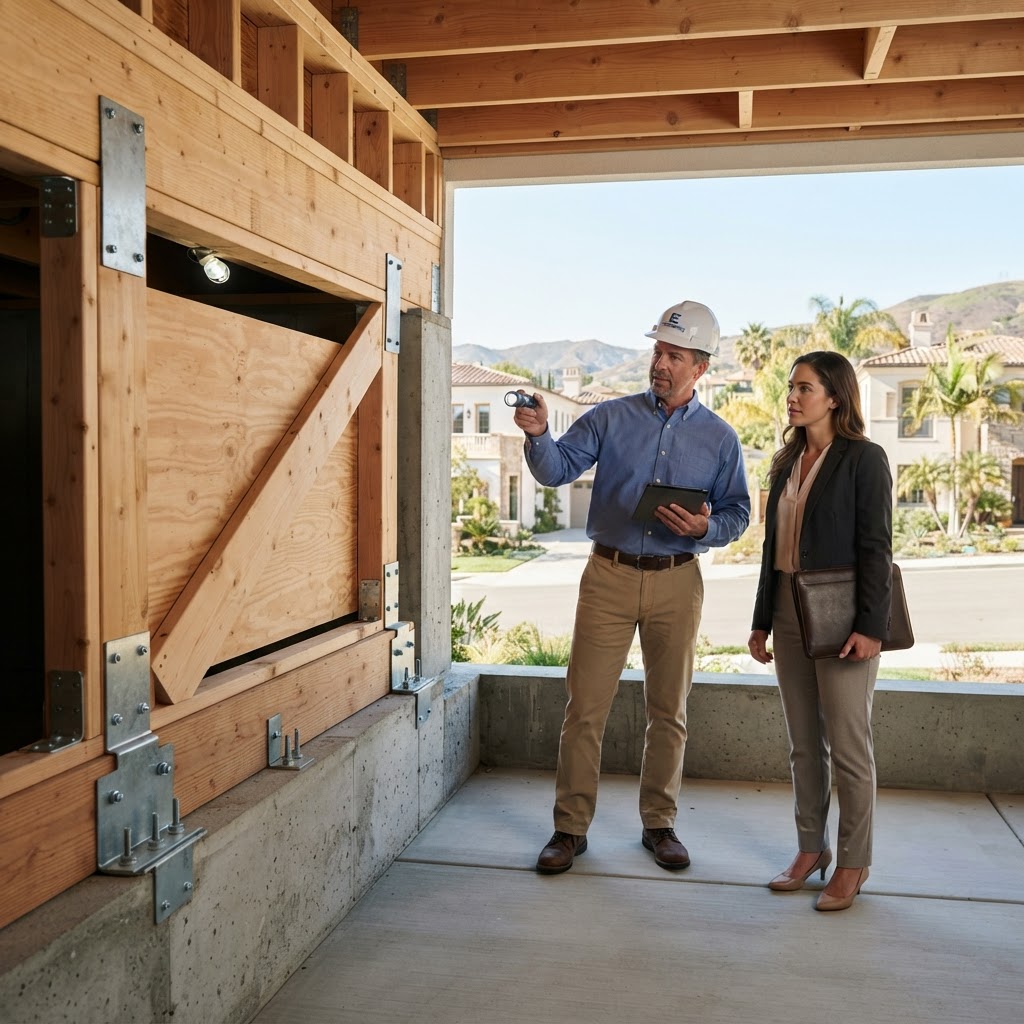
While wildfire dominates the headlines, seismic risk remains a constant. The California Earthquake Authority (CEA) reminds homeowners that standard policies do not cover earthquake damage. Beyond insurance, physical retrofitting is the most effective way to secure an asset. Programs like Earthquake Brace + Bolt (EBB) provide grants to help homeowners seismically retrofit older homes, particularly those with 'raised foundations' or 'soft stories.'
Technological preparedness has also advanced. The MyShake app, California’s early warning system, now provides critical seconds of notice that allow residents to 'Drop, Cover, and Hold On' before the strongest shaking arrives.
Practical Takeaways for Homeowners and Investors
- Audit Your Disclosures: Ensure all recent hardening upgrades (e.g., Zone Zero compliance) are documented. This documentation is becoming a critical 'Resilience Premium' that can justify higher asking prices.
- Leverage State Grants: Check the Cal OES portal for available mitigation grants for roofing and seismic retrofitting.
- Review the 'Whole-of-Society' Approach: As suggested by SB 254, community-scale mitigation—such as coordinated vegetation management with neighbors—is more effective than isolated efforts and is increasingly favored by insurance underwriters.
- Maintain a 'Go-Bag' and Digital Vault: Beyond physical supplies, maintain digital copies of property deeds, insurance policies, and asset inventories in a secure, cloud-based 'vault' to expedite FEMA or insurance claims post-disaster.