The Shift from Individual to Collective Resilience
In the summer of 2026, California homeowners are navigating a real estate landscape where disaster preparedness has evolved from a personal responsibility to a collective mandate. While previous years focused on individual home hardening, the current market—driven by the California Department of Insurance’s Sustainable Insurance Strategy (SIS)—now prioritizes community-wide risk reduction as the primary lever for insurance availability and affordability.
According to recent data, approximately 4.6 million homes—nearly 40% of the state’s housing stock—face at least moderate risk of wildfire damage over the next three decades (IIABCal). With 92% of Californians identifying insurance costs and availability as their top concern (Consumer Watchdog), the focus has shifted toward the 'Community Shield'—a coordinated effort to reduce risk across entire neighborhoods.
The SIS Mandate and Insurance Pricing
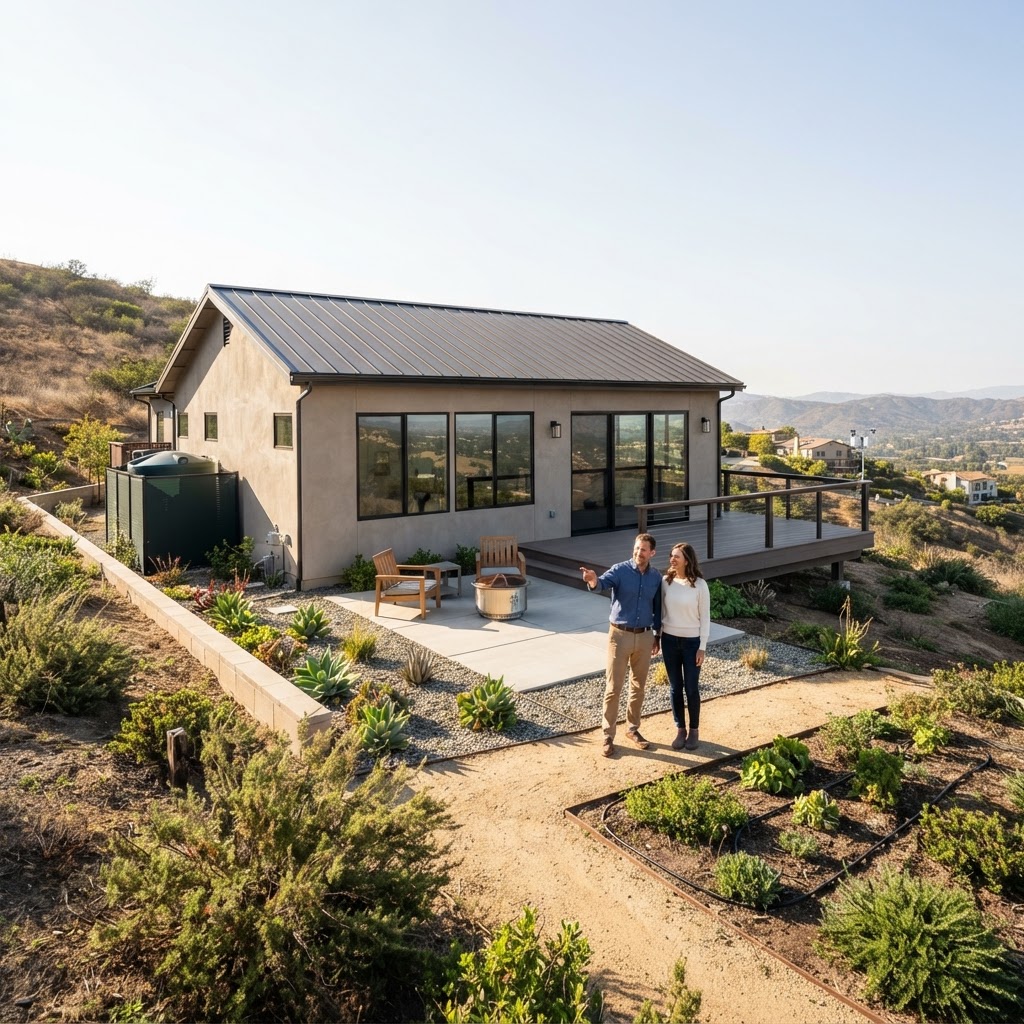
The SIS has fundamentally changed how insurers evaluate California properties. Under these regulations, insurers are now required to consider wildfire mitigation strategies in their pricing models, including both home-level hardening and community-wide efforts (Environmental Defense Fund). However, research indicates that individual property mitigation alone cannot fully protect a home from risks created beyond the property line. This has led to a surge in Firewise USA community designations, which allow homeowners to access community-wide discounts that were previously inconsistent or unavailable.
Multi-Hazard Preparedness: Beyond the Fire Line
While wildfires dominate the headlines, California’s resilience strategy in 2026 must be multi-faceted. The California Governor’s Office of Emergency Services (Cal OES) emphasizes that preparedness is a shared responsibility involving state, local, and individual participation (Cal OES). Key risks include:
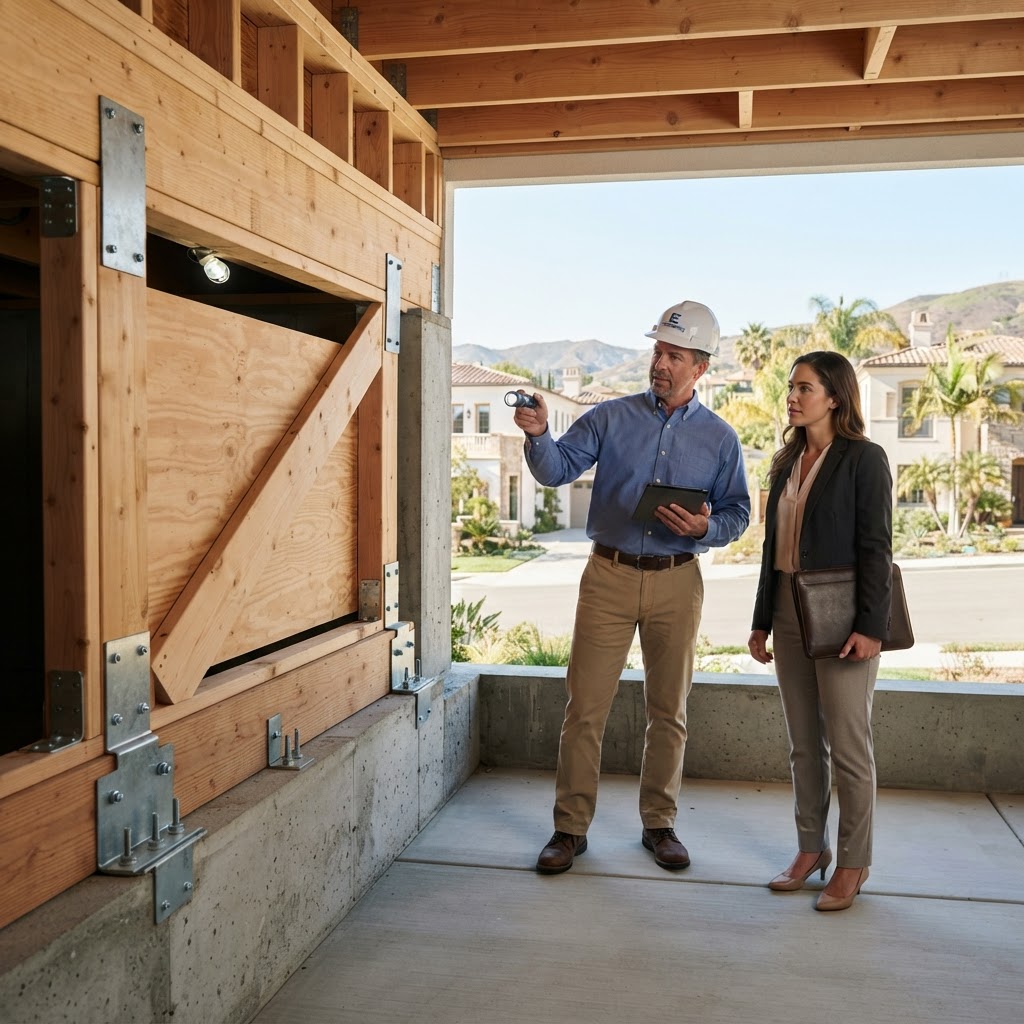
- Earthquakes: Structural threats remain high for homes built before 1980. The California Earthquake Authority (CEA) continues to offer premium discounts for seismic retrofits that strengthen foundations against shaking (Earthquake Authority).
- Atmospheric Rivers and Flooding: Recent years have seen increased vulnerability to debris flows and mudslides, particularly in burn scars (Ready LA County).
- Extreme Heat and Power Volatility: Community resilience hubs are becoming essential for maintaining habitability during utility outages and heat emergencies (Listos California).
Practical Takeaways for Homeowners and Investors
To maintain property viability and insurance eligibility in this high-risk era, stakeholders should adopt the following strategies:
1. Formalize Community Mitigation
Individual hardening is the baseline, but community certification is the goal. Homeowners should work with their HOAs or neighbors to achieve Firewise USA status. This collective action is often the deciding factor for traditional insurers deciding whether to write new policies in a specific ZIP code.
2. Utilize the 'Home Insurance Finder' and SIS Protections
If you receive a non-renewal notice, the California Department of Insurance recommends using the Home Insurance Finder tool and immediately asking your insurer for specific mitigation actions that could retain your coverage (City of Chino Hills). Under the SIS, insurers must be more transparent about how mitigation affects your premium.
3. Audit Structural and Environmental Vulnerabilities
Beyond fire, ensure your property is prepared for seismic and hydraulic events. This includes securing heavy objects on high shelves, clearing debris from drainage systems to prevent mudslides, and maintaining a three-day supply of food, water, and medicine as recommended by the Red Cross (American Red Cross).
4. Leverage State Resources for Recovery Planning
Familiarize yourself with the California State Emergency Plan and local resources like ReadyOC or Ready LA County. These portals provide real-time alerts and recovery guides that are essential for post-disaster financial and physical recovery (Cal OES).
Conclusion
Disaster preparedness in California has moved past the era of the 'lone survivalist.' In 2026, the most resilient properties are those embedded in communities that treat risk reduction as a shared infrastructure project. By aligning individual home hardening with neighborhood-scale mitigation, homeowners can better secure their equity against both natural disasters and the shifting tides of the insurance market.