The Documentation Deficit in California Recovery
For California homeowners, the conversation surrounding disaster preparedness has long focused on physical hardening—clearing defensible space and installing ember-resistant vents. However, as the state enters a new era of climate volatility, a critical gap has emerged: the "documentation deficit." According to data from the California Department of Insurance, claim settlement timelines for total losses can be delayed by as much as 30% to 40% when homeowners lack granular, pre-event evidence of property condition and contents. In an environment where $12 billion in insured losses has become a recurring seasonal baseline, the ability to prove what was lost is as vital as the insurance policy itself.
Precision Inventory: Beyond the Cell Phone Video
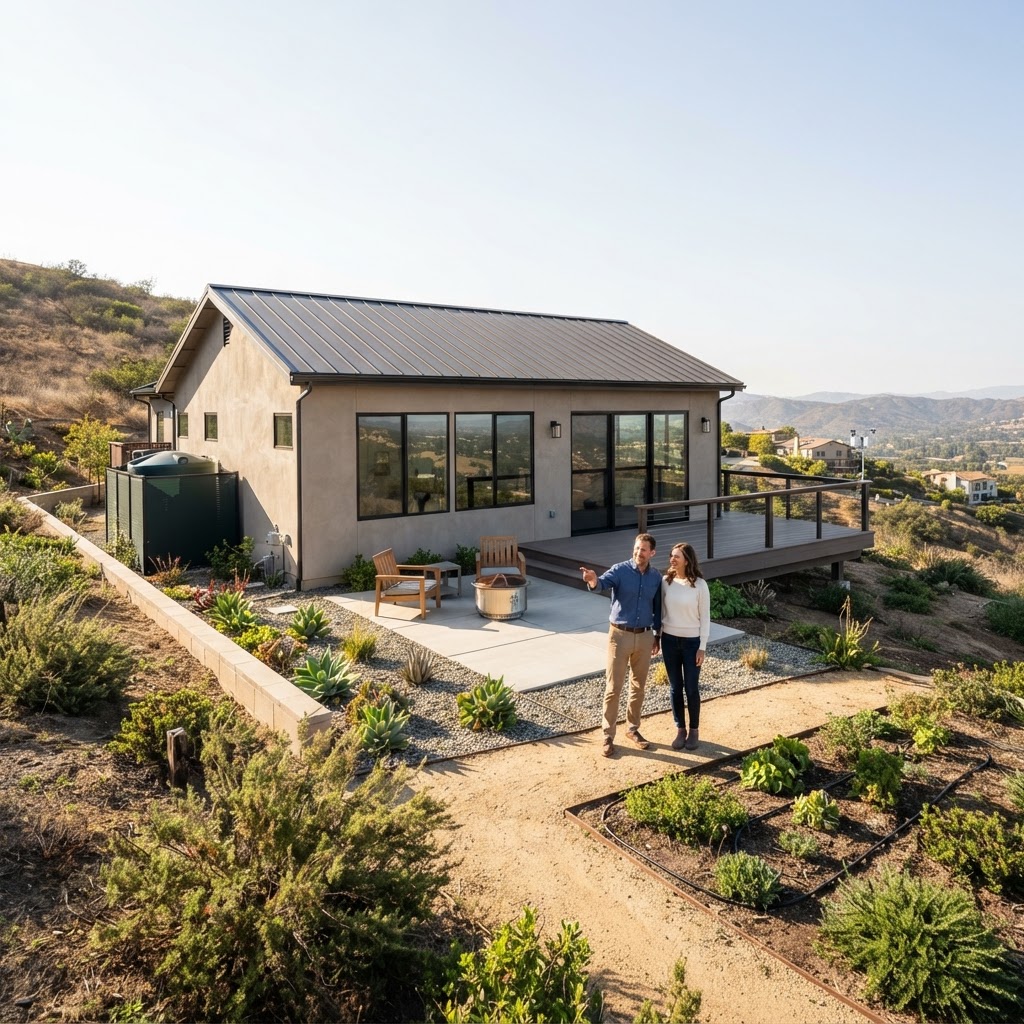
The traditional advice of walking through a home with a smartphone camera is no longer sufficient for the complexity of modern California real estate. High-end finishes, specialized HVAC systems required by recent building codes, and custom ADUs (Accessory Dwelling Units) require precision documentation to be accurately valued by adjusters. According to Matterport and industry trends in 3D scanning, homeowners who maintain a "digital twin" of their property—a 360-degree, LiDAR-backed spatial record—experience significantly fewer disputes regarding square footage and material quality during the rebuilding phase.
Data from the National Association of Realtors (NAR) indicates that homes with comprehensive digital maintenance and renovation records not only recover faster after a disaster but also command a premium in the resale market, as they provide buyers with a verified "pedigree" of the home’s evolution and structural integrity.
The Immutable Archive: Protecting the Chain of Title
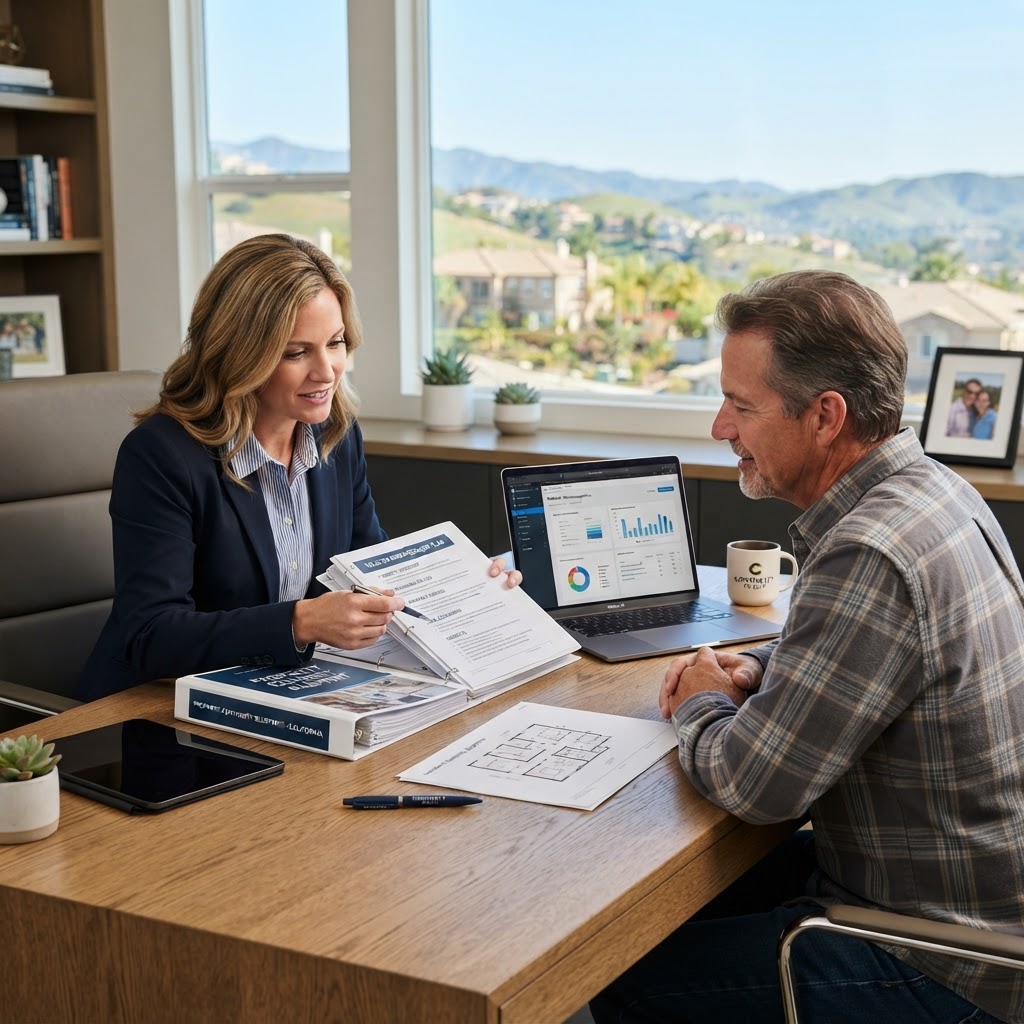
In the chaos following a wildfire or seismic event, physical documents are the most common casualties. While most homeowners assume their mortgage and title records are safe in a bank vault, the California Governor’s Office of Emergency Services (Cal OES) emphasizes that immediate recovery often hinges on having instant access to specific localized documents: land surveys, recent appraisals, and permits for retrofitting. The shift toward digital vaults—encrypted, cloud-based repositories—is no longer a luxury but a necessity for asset continuity.
Strategic Continuity: Integrating Real-Time Intelligence
Resilience in 2026 is defined by the interval between a threat detection and a homeowner’s response. While the MyShake app provides critical seconds of warning for seismic events, comprehensive preparedness now involves integrating hyper-local data feeds. Homeowners should utilize the California Earthquake Authority (CEA) risk maps in tandem with the National Flood Insurance Program (NFIP) updated flood zones, which have seen significant revisions due to recent atmospheric river patterns.
Practical Takeaways for the High-Risk Homeowner
- Execute a LiDAR Scan: Every 24 months, or after any significant renovation, commission a 3D spatial scan of the property. This provides an indisputable baseline for insurers and architects.
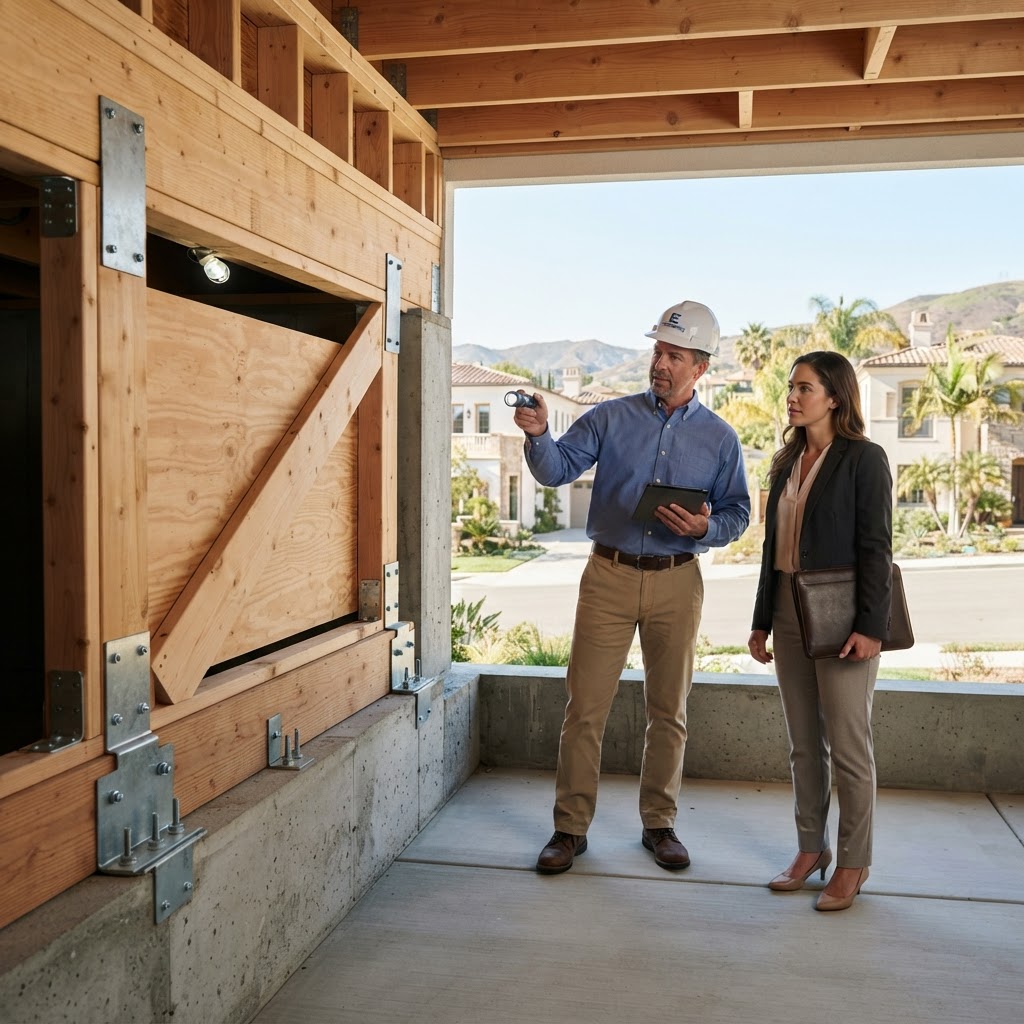
- Digitize the "Hardened" Proof: Secure digital copies of all receipts and permits related to California’s Wildfire Prepared Home™ standards. These records are essential for qualifying for premium discounts under recent state insurance reforms.
- Establish a Metadata-Backed Inventory: Use apps that timestamp and geo-tag photos of high-value assets. This metadata serves as forensic proof of the item’s presence in the home at the time of the disaster.
- Formalize a Recovery Network: Pre-vet a list of contractors and public adjusters. In post-disaster scenarios, the demand for licensed professionals far outstrips supply; having established relationships can reduce your recovery timeline by months.
As California’s risk landscape evolves, the definition of a "prepared homeowner" has expanded. It is no longer enough to survive the event; one must have the digital infrastructure to survive the recovery. By shifting focus toward precision documentation and digital continuity, homeowners can bridge the gap between total loss and a successful rebuild.