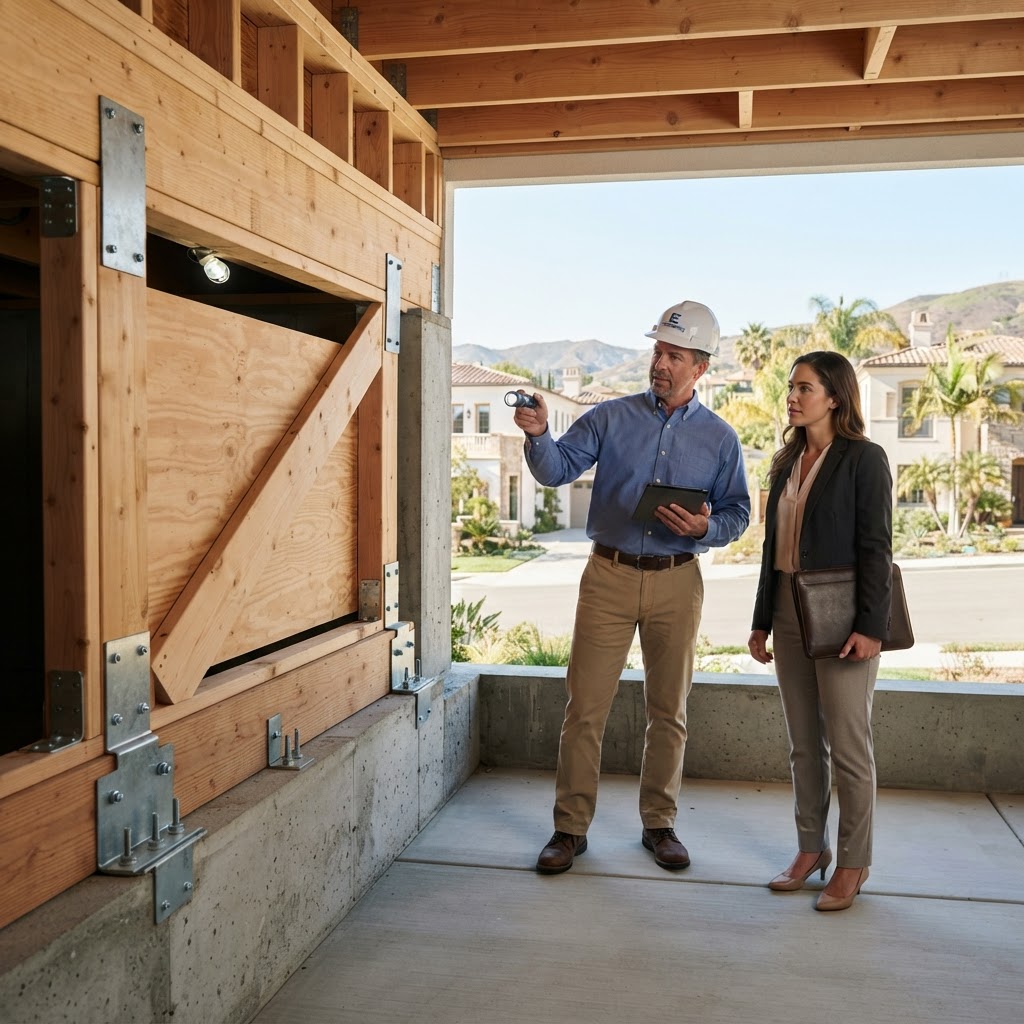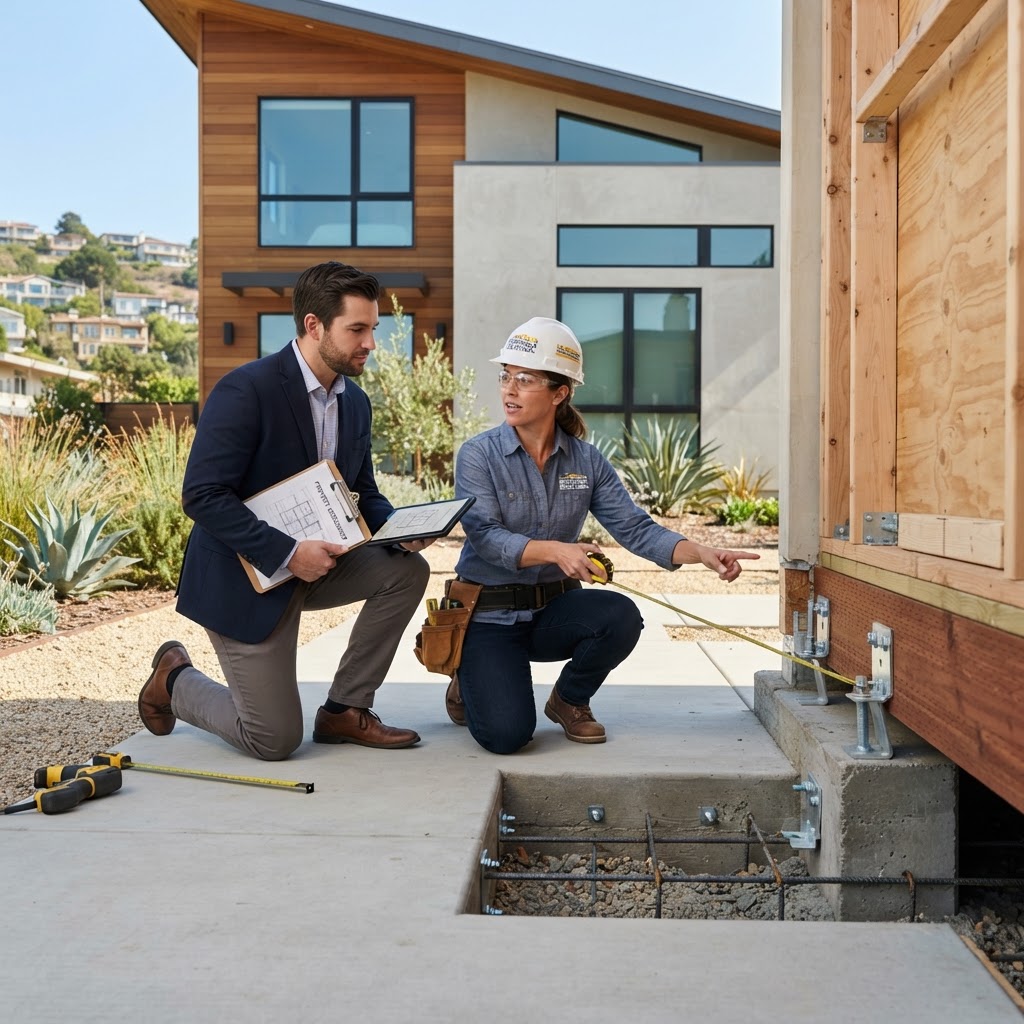
As of August 2026, the paradigm of disaster preparedness for California homeowners has shifted from voluntary kits to mandatory structural resilience. Recent seismic activity, including a magnitude 2.8 quake near Covelo and a 2.6 in Valencia on August 12, 2026, serves as a timely reminder of the 99% probability of a major earthquake striking the state within the next 30 years. However, for modern homeowners, the challenge is no longer just survival—it is navigating a complex web of new legislative triggers that dictate property viability and insurability.
The Seismic Trigger: When Retrofitting Becomes Mandatory
While California historically relied on voluntary upgrades, the regulatory environment in 2026 has become increasingly prescriptive. According to California Earthquake Retrofit Requirements 2026, the state now utilizes a 'patchwork' of mandates that trigger during specific property milestones. For instance, major cities like San Francisco, Oakland, and Berkeley have implemented mandatory soft-story retrofit ordinances for multi-unit buildings. Furthermore, under Assembly Bill 2681, seismic safety requirements have expanded statewide, often triggering mandatory upgrades when a remodel exceeds specific cost thresholds relative to the home's assessed value.
The Disclosure Pressure
Even when a retrofit isn't legally mandated for occupancy, it is effectively required for a successful transaction. California real estate disclosure laws, specifically the Transfer Disclosure Statement (TDS) and Natural Hazard Disclosure (NHD), require sellers to explicitly state known seismic deficiencies. This creates significant market pressure; homes without retrofits often face lower valuations or extended days-on-market as buyers factor in the 'cost of waiting' for future mandatory upgrades.
Wildfire Hardening: The 2026 Legislative Package
The wildfire landscape has seen a similar shift toward formal certification. The 2025-2026 legislative session introduced a comprehensive wildfire prevention package, including AB 1934 (Home Hardening Certification Program) and AB 1960 (Wildfire Prevention Grants Program). These bills move beyond simple 'defensible space' to focus on structural ignition resistance.
- AB 1934: Establishes a formal certification for hardened homes, which is increasingly becoming a prerequisite for securing non-FAIR Plan property insurance.
- AB 1971: Provides specific tax exemptions for home hardening retrofitting improvements, incentivizing owners to upgrade roofs, vents, and siding.
- AB 2013: Focuses on water supplier emergency preparedness to ensure hydrant pressure during peak fire events.
The Resilience Gap: Data and Demographics
Preparedness levels remain uneven across the state. Data from the Public Policy Institute of California indicates that 38% of residents in Los Angeles County are 'very worried' about disaster impacts, compared to just 19% in San Diego and Orange Counties. Interestingly, the study found that Californians are more likely to possess a disaster supply kit than a definite disaster plan, highlighting a gap between 'stuff' and 'strategy.'
Practical Takeaways for Homeowners
1. Leverage State Subsidies Early
Programs like Earthquake Brace + Bolt offer grants of up to $3,000 for seismic retrofits. In 2026, these funds are often exhausted within weeks of opening, making early application critical for maintaining asset value.
2. Secure a Hardening Certificate
Under the California Wildfire Mitigation Program (CWMP), homeowners who complete retrofits can receive a formal certificate. While the CWMP does not dictate private insurance rates, this certificate is a powerful tool for negotiating lower premiums or maintaining coverage in high-risk zones.
3. Audit the 'Remodel Trigger'
Before initiating any renovation, homeowners should consult with a specialist to determine if their project will trigger mandatory seismic upgrades. Planning for these costs as part of a larger remodel is often more cost-effective than performing them as standalone projects later.
4. Insurance Beyond the Standard Policy
Homeowners must remember that standard policies do not cover damage from earthquakes, floods, or landslides. Supplemental coverage through the California Earthquake Authority (CEA) or private carriers is essential for full financial resilience.