The Shift from Aesthetics to Armor
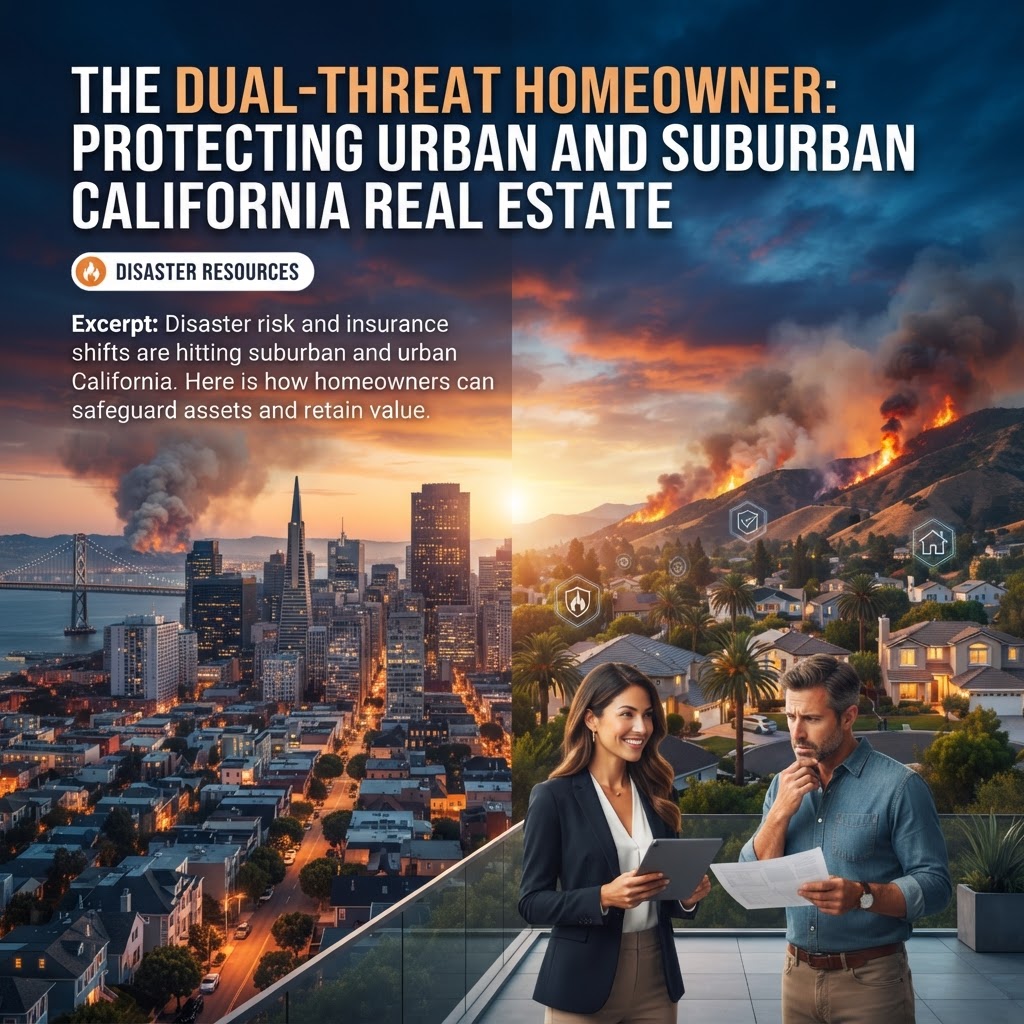
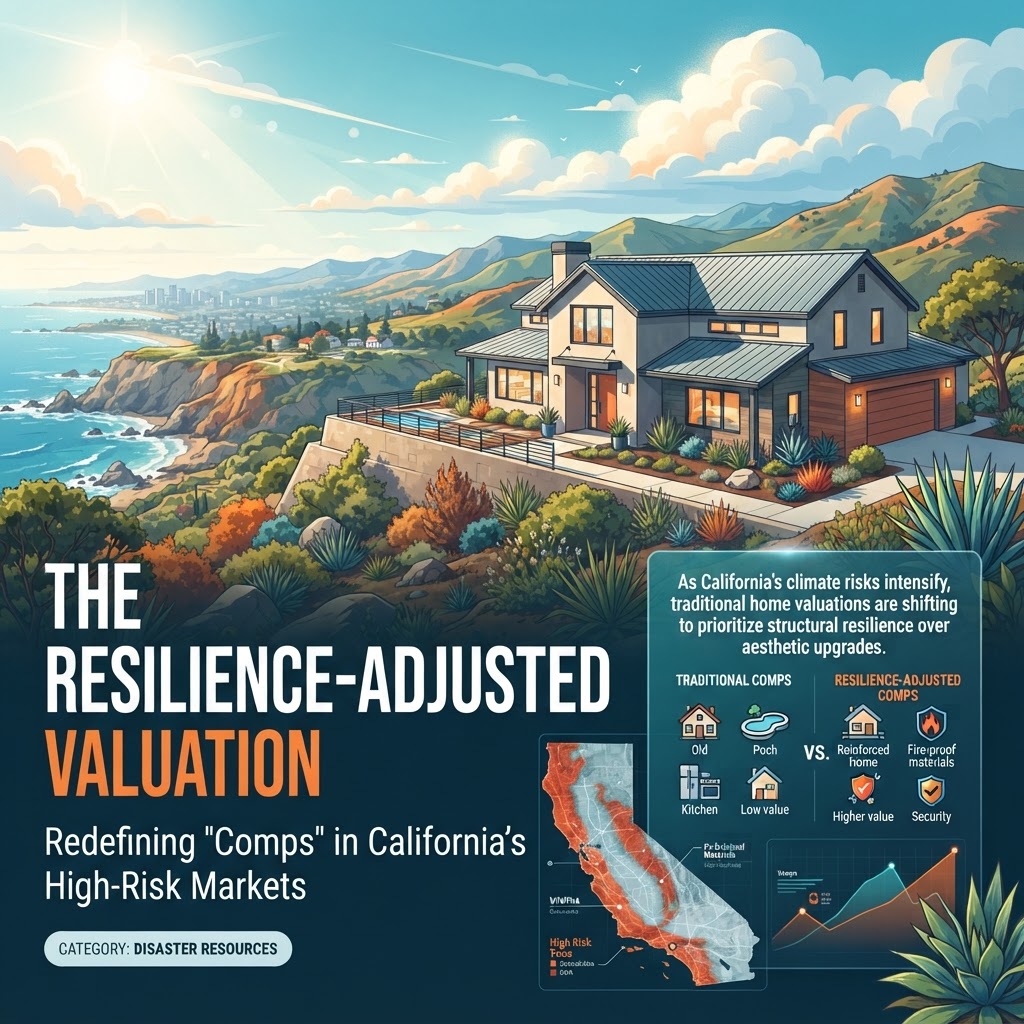
For decades, the California real estate market was driven by the triumvirate of location, view, and square footage. However, as of August 2026, a fourth pillar has emerged as the primary arbiter of value: structural resilience. In a state where the Wildland-Urban Interface (WUI) now encompasses over 11 million acres, the traditional "comparable sale" is being redefined. Homeowners who fail to bridge the gap between routine maintenance and catastrophic preparedness are finding their equity at risk, not just from natural disasters, but from market devaluation.
According to recent data from the California Association of Realtors (CAR), homes with verified "Hardened Home" certifications are now commanding a 5.8% price premium compared to non-certified neighbors in similar zip codes. This shift reflects a buyer pool that is increasingly wary of the long-term carrying costs associated with high-risk zones, specifically insurance premiums and the potential for un-insurability.
The New Underwriting Reality
The California Department of Insurance has implemented new transparency mandates in 2026, requiring insurers to provide clearer pathways for premium discounts based on specific mitigation efforts. However, the real movement is happening in the secondary mortgage market. Lenders are increasingly utilizing high-resolution geospatial data to assess the viability of 30-year fixed mortgages in fire-prone or flood-prone canyons.
Data from the 2025 Census Bureau’s American Housing Survey suggests that nearly 1 in 4 California homeowners in high-risk zones have deferred critical resilience upgrades due to costs. In 2026, this "resilience debt" is manifesting as a valuation discount. Appraisers are now more likely to adjust for a lack of ember-resistant venting or seismic retrofitting than they are for an outdated kitchen.
Multi-Hazard Preparedness: Beyond the Wildfire
While wildfire remains the dominant headline, California’s resilience landscape is multi-faceted. The 2026 USGS updates to the Hayward and San Andreas fault probabilities have placed a renewed focus on seismic integrity. For homeowners, preparedness is no longer a seasonal checklist; it is a permanent infrastructure requirement.
Key Resilience Standards for 2026:
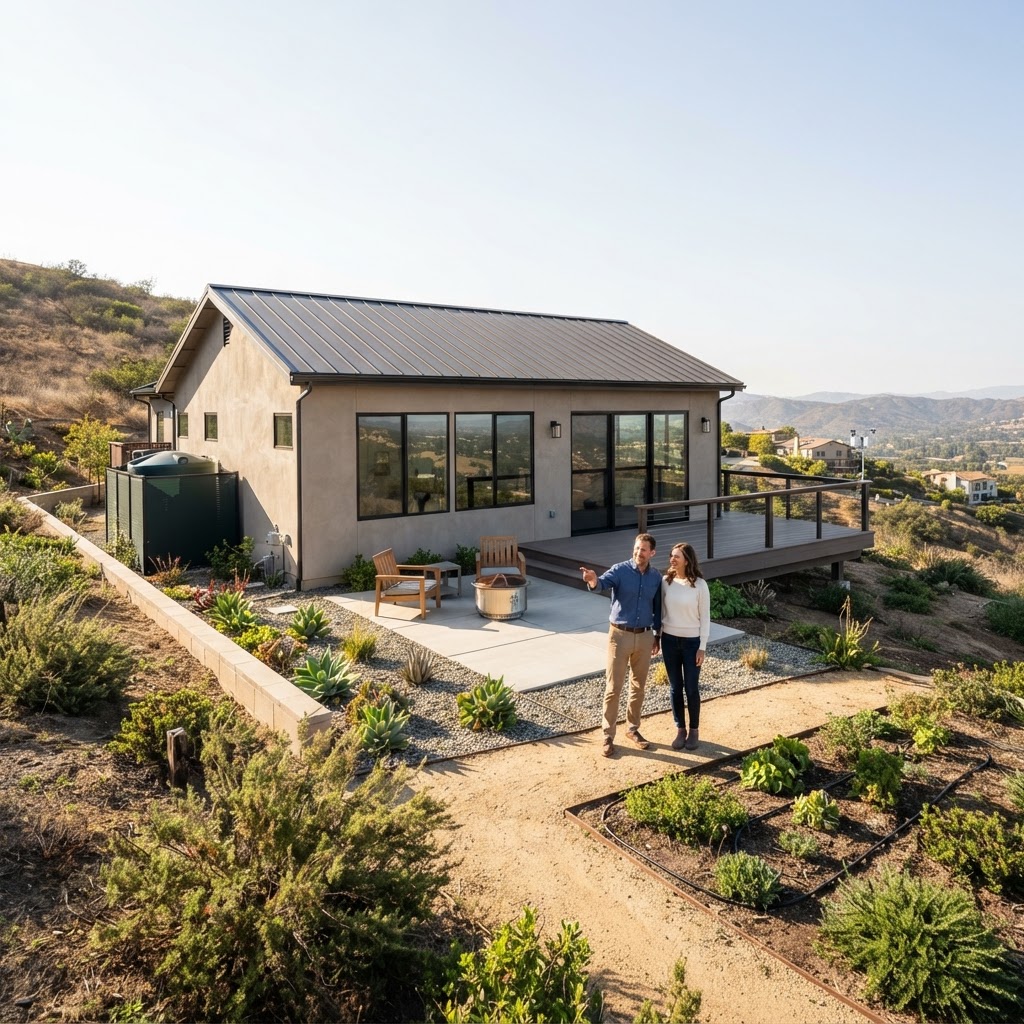
- The Class A Roof Standard: Non-combustible materials are no longer optional for maintaining marketability in the WUI.
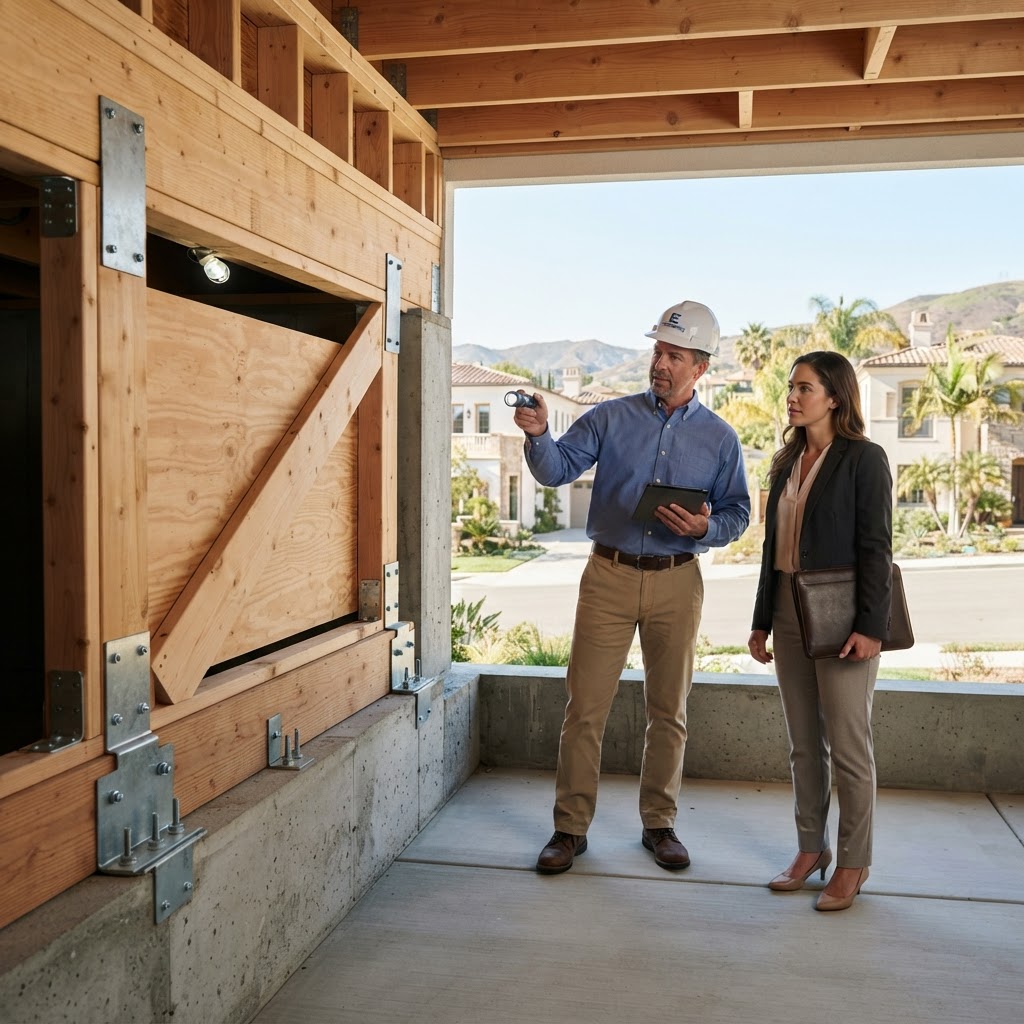
- Seismic Bolt-and-Brace: For pre-2000 builds, documented seismic retrofitting has become a mandatory disclosure item for most major lenders in the Bay Area and Greater Los Angeles.
- Atmospheric River Defense: Following the record rainfall of the 2025 winter season, advanced drainage systems and permeable hardscaping are now viewed as essential "flood-ready" assets.
Practical Takeaways for California Homeowners
To protect both physical safety and financial equity, homeowners must move beyond basic emergency kits and adopt a "Hardened Asset" strategy.
1. Conduct a "Resilience Audit"
Hire a certified inspector to perform a wildland fire risk assessment and a seismic evaluation. In 2026, many local municipalities offer these audits for free or at a subsidized rate. This documentation becomes a critical part of your home’s "digital twin" during a sale.
2. Prioritize "Invisible" Upgrades
Redirect renovation budgets from cosmetic improvements to high-ROI resilience features. Installing 1/16-inch non-combustible mesh screening on all vents and upgrading to multi-pane tempered glass windows provides a higher protection-to-cost ratio than most interior remodels.
3. Secure Your Documentation Trail
Maintain a digital vault containing receipts for all mitigation work, certificates of compliance from local fire departments, and updated photos of defensible space. When the private insurance market fluctuates, having a ready-to-submit "Resilience Portfolio" can be the difference between a standard policy and the FAIR Plan.
4. Leverage Community Resilience Zones
Participate in the Firewise USA® program or local Community Emergency Response Teams (CERT). Properties located within recognized "Resilient Communities" are seeing lower insurance churn and higher buyer confidence levels in the 2026 market.
The Bottom Line
In the current California market, disaster preparedness is synonymous with equity preservation. The homeowners who thrive are those who view their property not just as a residence, but as a hardened asset capable of withstanding both the elements and the evolving rigors of the financial markets.