The New Prerequisite for California Real Estate
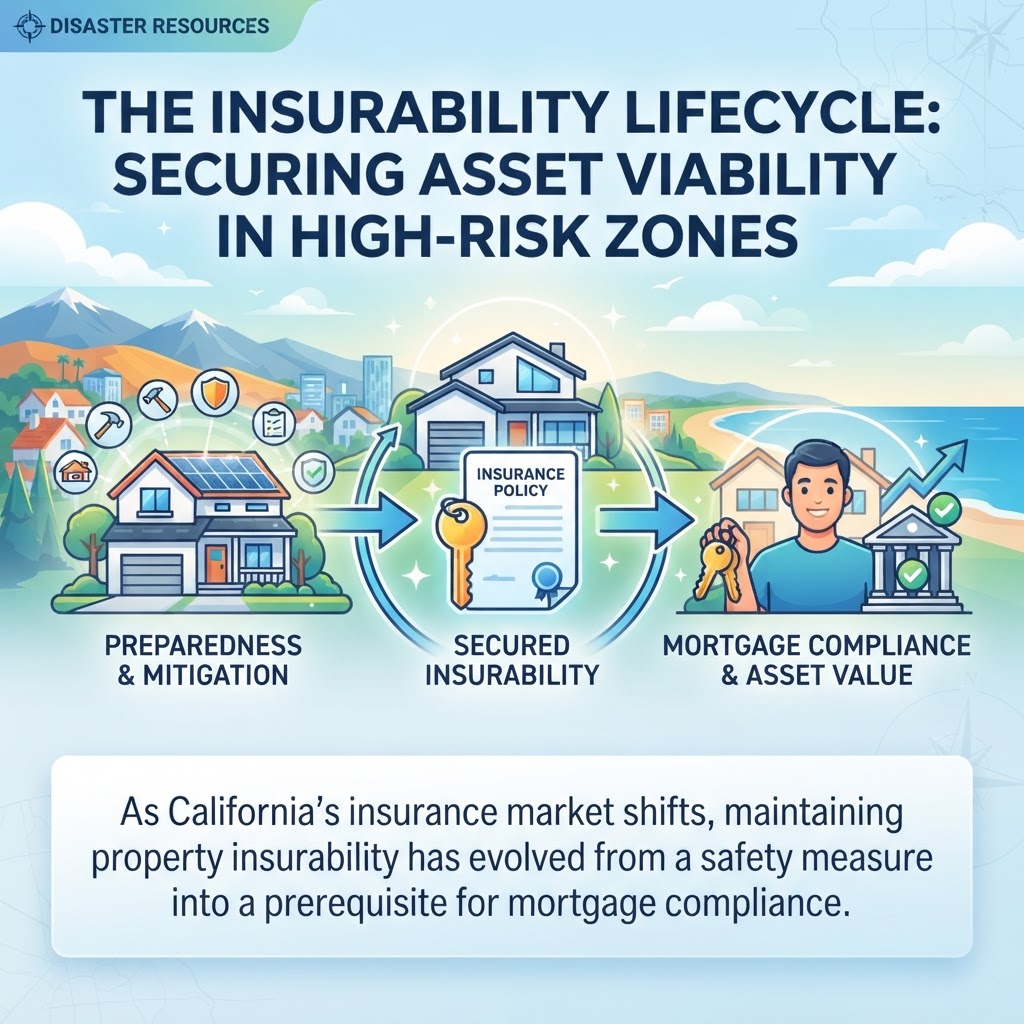
In the California real estate market of 2026, the traditional pillars of valuation—location, condition, and school districts—have been joined by a fourth, more volatile metric: the Insurability Lifecycle. Data from the California Department of Insurance (CDI) indicates that as of early 2026, enrollment in the FAIR Plan has reached record levels, while private carriers have introduced increasingly stringent 'hardening' requirements. For homeowners, disaster preparedness is no longer just about survival; it is about maintaining the administrative and physical status required to keep a property mortgageable and marketable.
Navigating the Evolving Risk Landscape
While wildfire remains the primary catalyst for market shifts, the 2025-2026 winter season highlighted the rising impact of atmospheric rivers and subsequent debris flows. According to recent data from the National Association of Realtors (NAR), nearly 15% of failed residential transactions in high-risk California zones were attributed to the inability of the buyer to secure an affordable insurance binder during the escrow period. This shift necessitates a proactive approach to risk management that begins long before a property is listed for sale.
The Secondary Risk Factor: Post-Fire Landslides
Homeowners must recognize that disaster preparedness now extends beyond the 'Red Zone' wildfire map. Areas previously affected by fire are now subject to heightened landslide risks for up to five years post-event. Property owners should invest in professional geological assessments and drainage optimization to mitigate the risk of debris flows, which are often excluded from standard homeowners' policies and require specific flood insurance endorsements through the National Flood Insurance Program (NFIP).
The Administrative Proof of Resilience
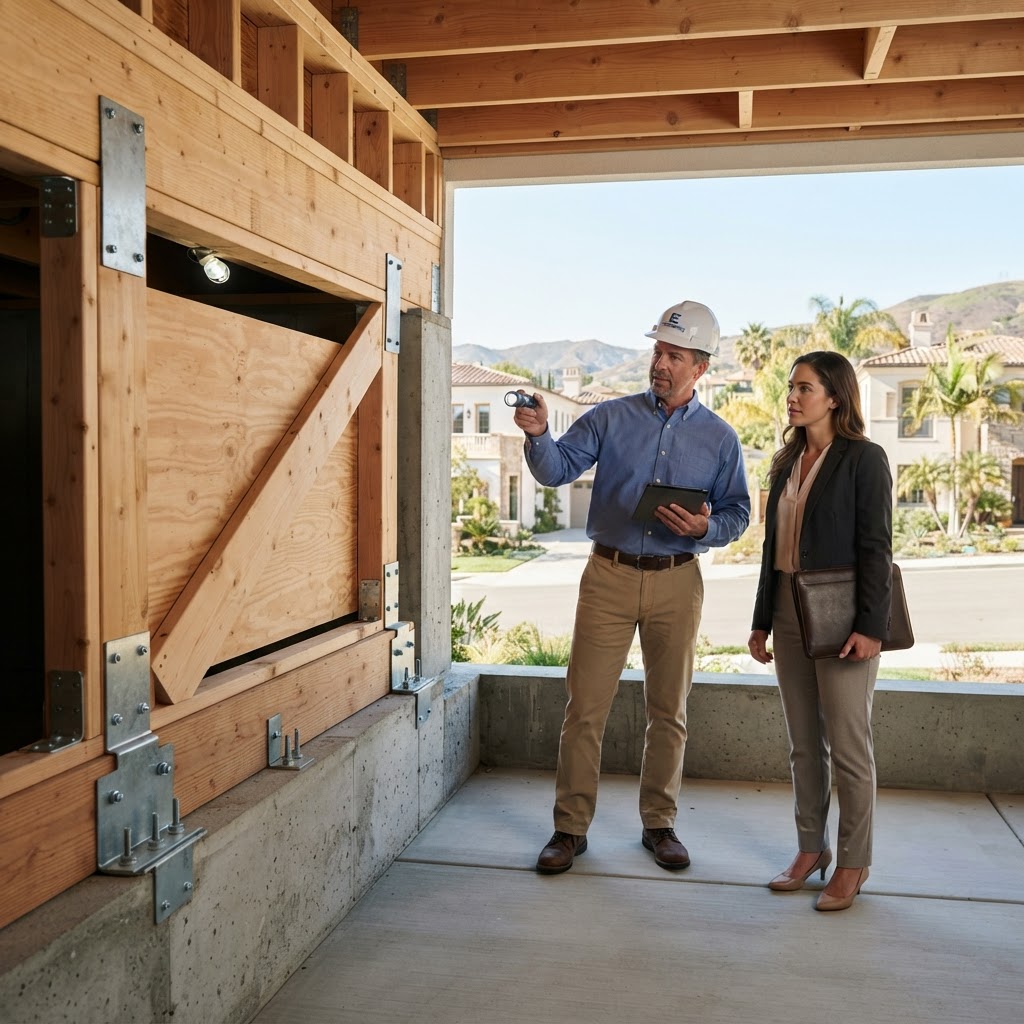
Physical hardening—such as installing 1/16-inch mesh vents and maintaining 100 feet of defensible space—is the baseline. However, the 2026 market demands administrative proof. Carriers are increasingly utilizing satellite imagery and AI-driven risk modeling to assess properties remotely. Homeowners should maintain a 'Resilience Dossier' that includes dated photographs of mitigation work, receipts from licensed arborists, and certifications from local fire departments. This documentation is critical when contesting an 'Ineligible for Renewal' notice or when providing a 'Comprehensive Loss Underwriting Exchange' (CLUE) report to potential buyers.
Strategies for Maintaining Asset Marketability
To ensure a property remains a viable asset, homeowners and investors should adopt the following framework:
- Annual Policy Audit: Review coverage limits against current construction costs. With the California Building Standards Commission updating codes frequently, 'replacement cost' coverage must account for the 12-18% surge in specialized labor costs observed in late 2025.
- Mitigation-First Financing: Utilize C-PACE (Commercial Provider of Capital for Energy) or local municipal bonds specifically designed for seismic and wildfire hardening to fund upgrades without immediate out-of-pocket capital.
- The 90-Day Rule: Sellers should initiate insurance pre-qualification for their property 90 days before listing. Providing a 'pre-approved' insurance quote from at least two carriers (including a FAIR Plan quote as a backstop) can significantly reduce time-to-close.
- Neighborhood Synergy: Engaging with a Firewise USA site recognized community can lead to insurance premium discounts ranging from 5% to 15%, depending on the carrier and the extent of the community-wide mitigation efforts.
The Long-Term Outlook
As California continues to refine its Insurance Strategy, the gap between 'hardened' and 'vulnerable' properties will manifest in widening price disparities. Resilience is now a form of equity. By treating disaster preparedness as a continuous lifecycle of physical maintenance and administrative documentation, California homeowners can protect not just their lives, but the long-term financial viability of their most significant investments.