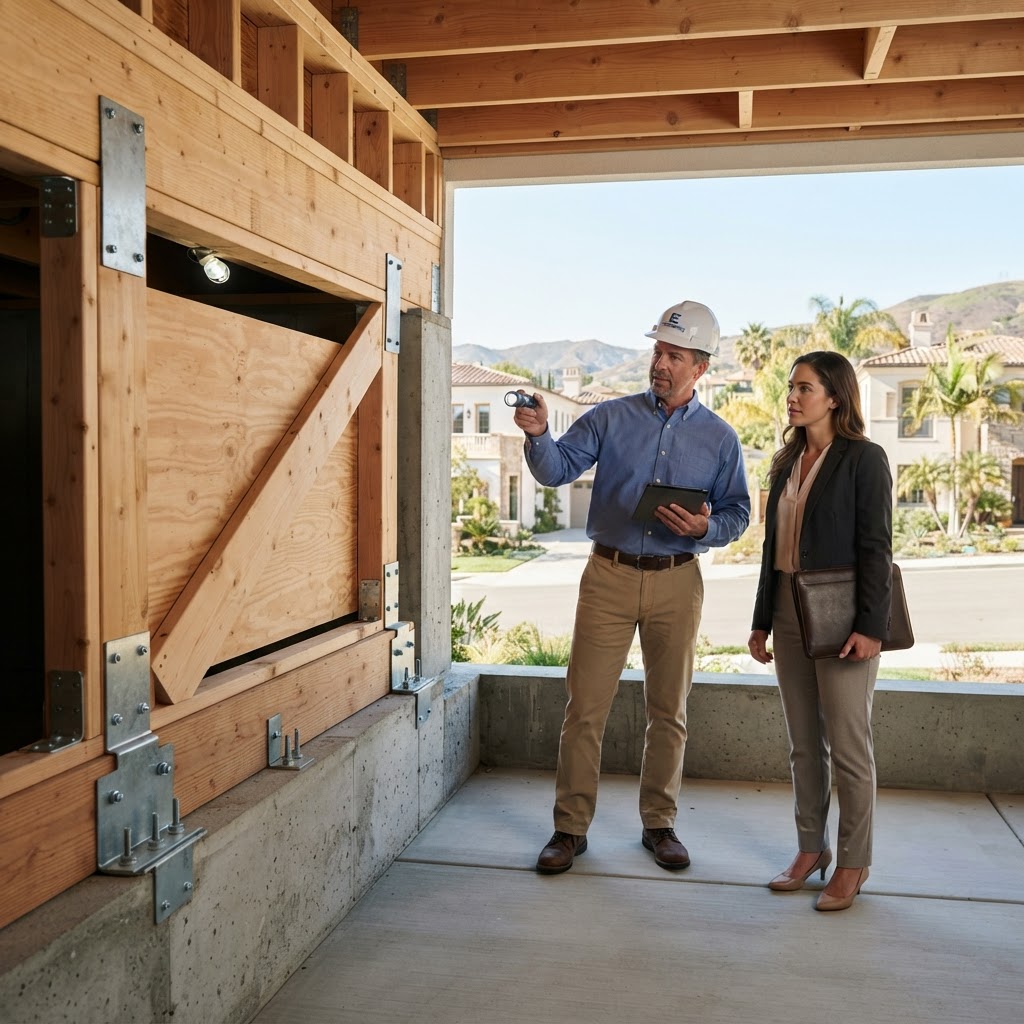
The Evolution of Preparedness: From Sandbags to Servers
In the California real estate landscape of 2026, the definition of a 'prepared home' has shifted. While physical mitigation—such as ember-resistant vents and seismic retrofitting—remains the foundation of property safety, a new bottleneck has emerged in the recovery cycle: administrative friction. Data from the California Department of Insurance (CDI) suggests that while physical hardening reduces damage by up to 40%, administrative delays in documentation can extend displacement periods by an average of six to nine months.
The Digital Vault: Synchronizing with State Protocols
Modern resilience requires a 'Digital Vault' strategy. Homeowners are no longer just protecting a structure; they are managing a complex data set that includes titles, upgrade receipts, and interactive inventories. According to recent NAR surveys, homeowners who maintain a cloud-based, third-party-verified property inventory see insurance claim settlements processed 35% faster than those relying on manual memory-based claims.
Integrating with Cal OES and MyHazards
Leveraging state-level data tools is critical. The California Governor’s Office of Emergency Services (Cal OES) provides the 'MyHazards' tool, which now offers API integrations for private resilience apps. By mapping a property’s specific risk profile—ranging from liquefaction zones to 100-year floodplains—homeowners can align their administrative 'vault' with the specific requirements of state and federal grant programs like the Hazard Mitigation Grant Program (HMGP).
The Insurance Gap: Navigating the FAIR Plan and Beyond
With the California FAIR Plan currently serving as the 'insurer of last resort' for a growing segment of the market, the administrative burden on the homeowner has increased. Effective resilience now includes a biannual 'Gap Analysis.' This involves cross-referencing current reconstruction costs—which have risen 18% in the last 24 months due to labor shortages—against policy limits.
Practical Takeaway: The 'Proof of Hardening' File
- Audit your documentation: Ensure all certificates for wildfire mitigation (AB-38 compliance) and seismic bolting are digitized and shared with your broker.
- Financial Liquidity: Maintain a 'Resilience Bridge Fund' equivalent to 5% of the home’s value to cover immediate costs during the initial 30-day claims adjustment window.
- Digital Redundancy: Utilize encrypted, decentralized storage for property deeds and power of attorney documents to ensure access if regional infrastructure is compromised.
Infrastructure Autonomy and the New Value Add
Resilience is increasingly being priced into California home valuations. Properties that demonstrate 'Administrative Readiness'—documented history of maintenance, digital logs of mitigation, and pre-filed emergency plans—are seeing a 3-5% premium in high-risk zones. Investors and buyers are looking for the 'paper trail of safety' as much as the safety features themselves. As we navigate the 2026 fire and storm seasons, the most resilient homeowners will be those who have fortified their data as rigorously as their foundations.