Bridging the Gap Between Risk and Affordability
As of mid-2026, California’s real estate market continues to grapple with the rising costs of climate-related risks. While much has been written about the scarcity of private insurance, a significant shift has occurred in state-funded mitigation. The California Department of Insurance (CDI) and the Governor’s Office of Emergency Services (Cal OES) have expanded their portfolios of direct-to-consumer subsidies, moving from pilot programs to established fiscal fixtures. For the savvy homeowner or investor, these programs represent more than just safety—they are a mechanism for protecting equity and reducing the long-term carry costs of California property.
The Seismic Incentive: Capturing EBB Grants
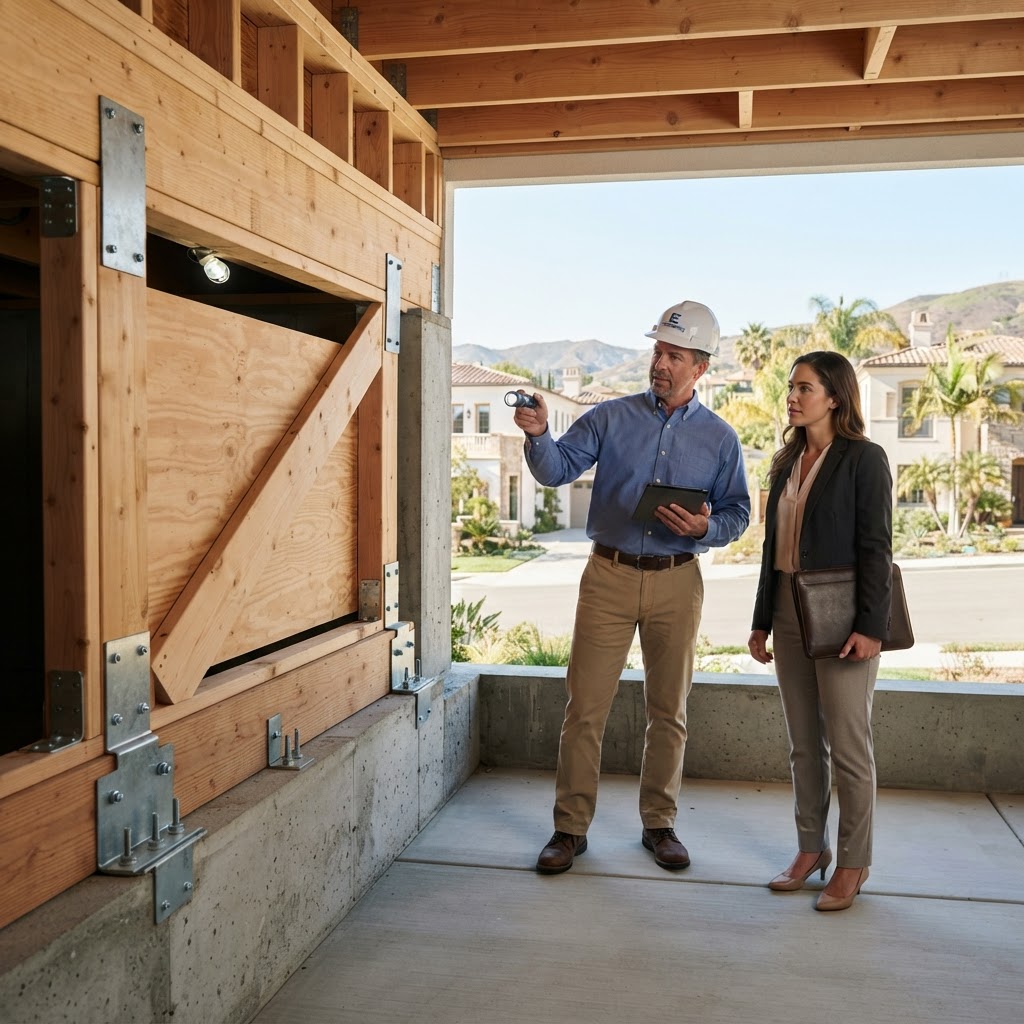
Earthquake risk remains a constant in the California market, yet data from the National Association of Realtors (NAR) suggests that retrofitted homes command a 2% to 5% price premium in high-seismic zones compared to unreinforced neighbors. The Earthquake Brace + Bolt (EBB) program, managed by the California Residential Mitigation Program (CRMP), has significantly increased its grant amounts for the 2026 fiscal year. Owners of pre-1980 houses with raised foundations can now access up to $3,000 for code-compliant retrofits, with supplemental grants available for households with annual incomes below $87,000. By stabilizing the cripple wall and bolting the home to its foundation, owners not only mitigate total loss risk but also fulfill requirements for the California Earthquake Authority (CEA) premium discounts of up to 25%.
The ‘Safer from Wildfires’ Framework and Premium Credits
In 2026, the Safer from Wildfires initiative is no longer a suggestion; it is a regulatory mandate for insurers to provide premium transparency. According to recent data from the Insurance Information Institute, California homeowners who complete a standardized suite of mitigation efforts—such as Class A roof installation, 5-foot ember-resistant zones, and enclosed eaves—are seeing mandatory premium credits ranging from 7% to 15%.
Furthermore, the 2026 state budget has allocated additional funding to the Wildfire Prepared Home grant program. This allows residents in high-fire-severity zones to apply for reimbursement for defensible space contractors and home hardening materials. For investors managing portfolios in the wildland-urban interface (WUI), these grants effectively subsidize the capital expenditures required to maintain a property’s insurability in an increasingly restrictive market.
Strategic Takeaways for Homeowners and Investors
- Audit Your Eligibility: Check the CRMP website quarterly for new ZIP code openings. Grants are often distributed via lottery, and being early in the application window is critical.
- Prioritize the ‘Home Outward’ Strategy: Focus on the structure itself before landscaping. Evidence suggests that the structure’s immediate perimeter (0–5 feet) provides the highest return on investment regarding fire survivability.
- Document for Disclosure: Maintain a ‘Resilience File’ containing receipts, certification from the Insurance Institute for Business & Home Safety (IBHS), and proof of permit finalization. In a competitive resale market, this documentation acts as a vital tool for potential buyers’ lenders.
- Leverage Property Assessed Clean Energy (PACE): If state grants are exhausted, utilize modern PACE financing, which allows homeowners to fund seismic and wildfire retrofits through a voluntary property tax assessment, often at lower rates than traditional personal loans.
The Future of Marketability
The California market is bifurcating between resilient, state-subsidized properties and high-risk assets that are becoming difficult to finance. By proactively engaging with the state’s rebate ecosystem, homeowners do not just prepare for a disaster—they secure their position in the top tier of California’s evolving real estate landscape.