The New Calculus of California Homeownership
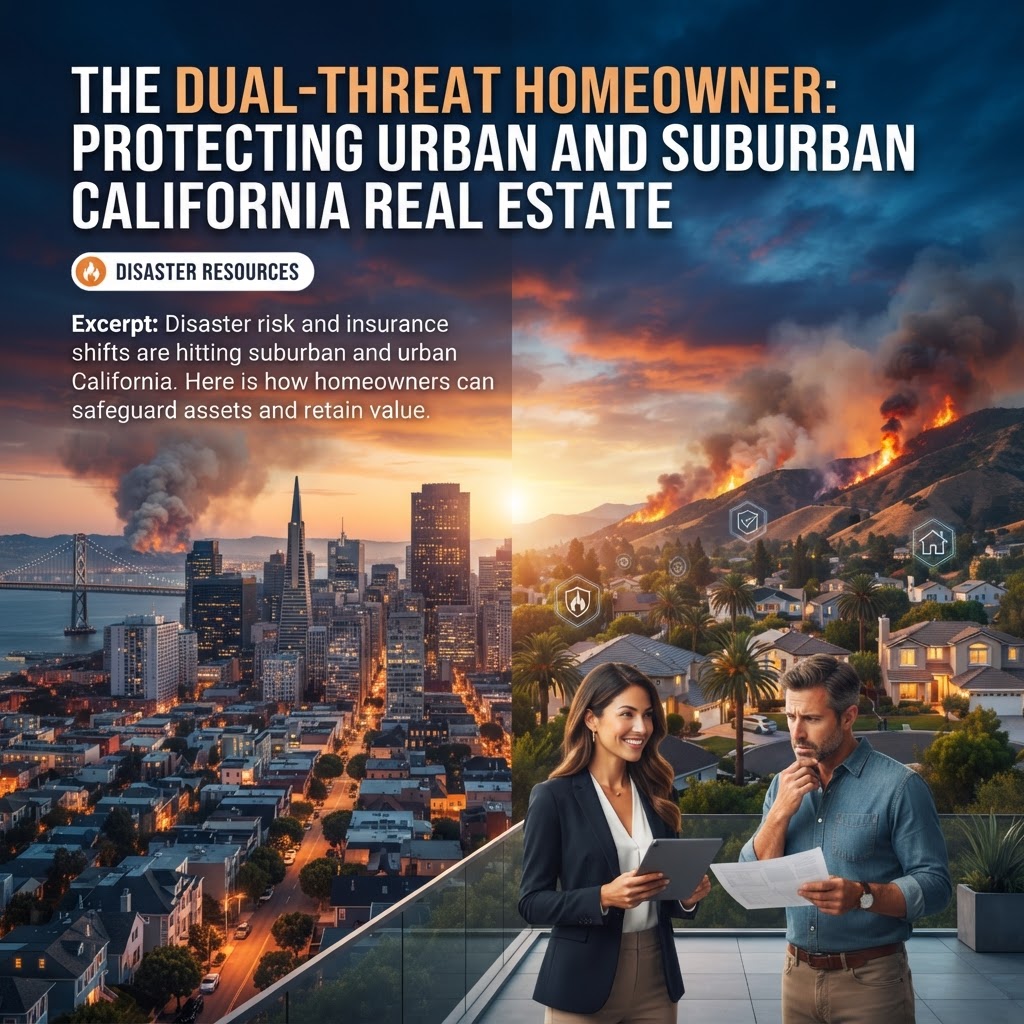
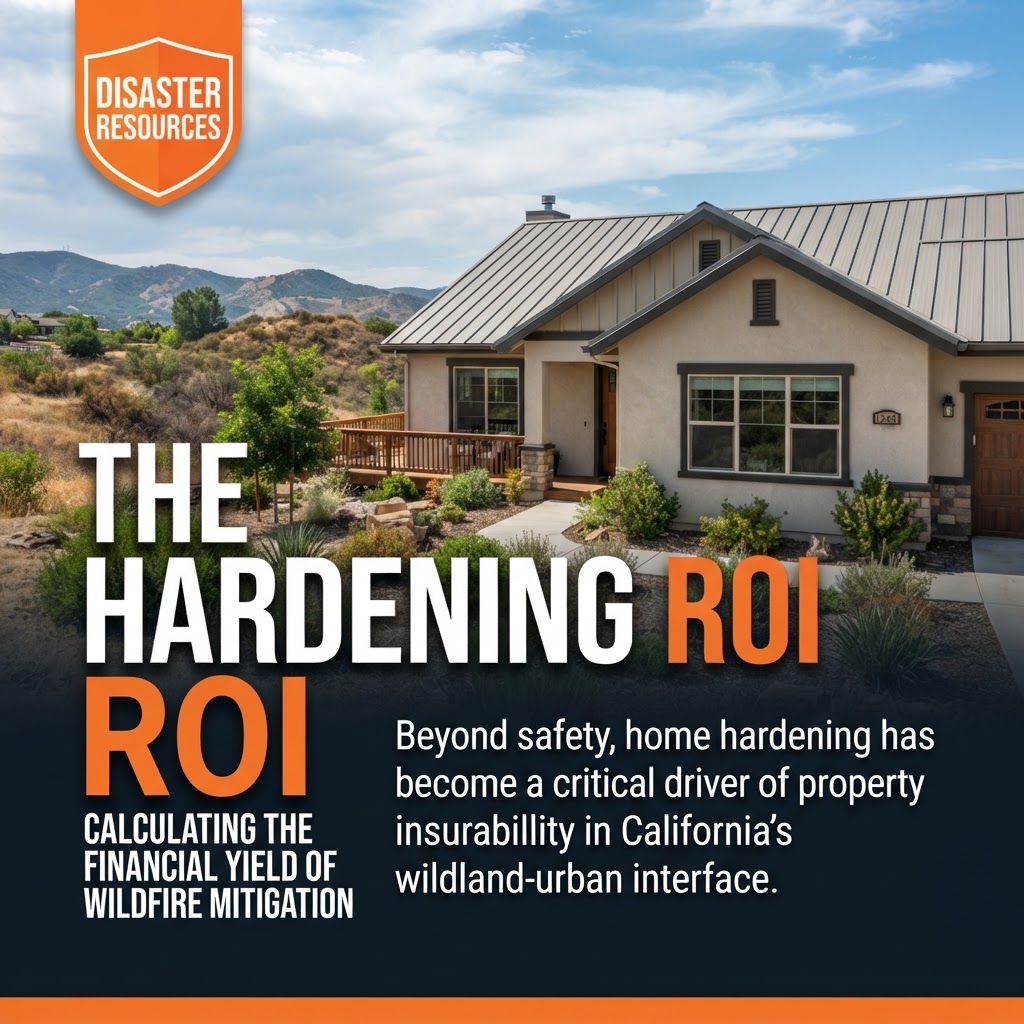
In 2026, the California real estate market has reached a definitive turning point. The traditional metrics of curb appeal—lush landscaping and expansive wooden decks—are being superseded by a more pragmatic priority: wildfire resilience. For homeowners in the Wildland-Urban Interface (WUI), 'home hardening' is no longer just a safety recommendation; it is a critical financial strategy to preserve home equity and maintain insurance eligibility.
The Insurance Multiplier: Unlocking Premium Discounts
The primary driver for home hardening investment is the shifting stance of the California Department of Insurance. Under the 'Safer from Wildfires' framework, insurers are now required to provide transparency regarding a property’s wildfire risk score and offer discounts for specific mitigation steps. According to 2025 industry data, homeowners who implement a comprehensive suite of hardening measures—including Class A fire-rated roofs and ember-resistant vents—are seeing premium reductions ranging from 5% to 12%.
Furthermore, as private carriers continue to restrict new policies in high-risk zones, a 'hardened' designation is often the threshold for moving from the California FAIR Plan back into the voluntary market. This transition can save homeowners thousands of dollars annually while providing significantly broader coverage.
Data Point: The Survival Gap
Analysis of recent fire seasons by CAL FIRE and the Insurance Institute for Business & Home Safety (IBHS) reveals a stark reality: homes built or retrofitted to modern wildfire-resistant standards have a nearly 40% higher survival rate compared to non-retrofitted structures in the same path. For investors and homeowners, this represents the ultimate protection against total asset loss.
Strategic Hardening: Where to Invest First
Not all retrofits are created equal. To maximize Return on Investment (ROI), homeowners should prioritize the 'vulnerability hierarchy' established by recent building science:
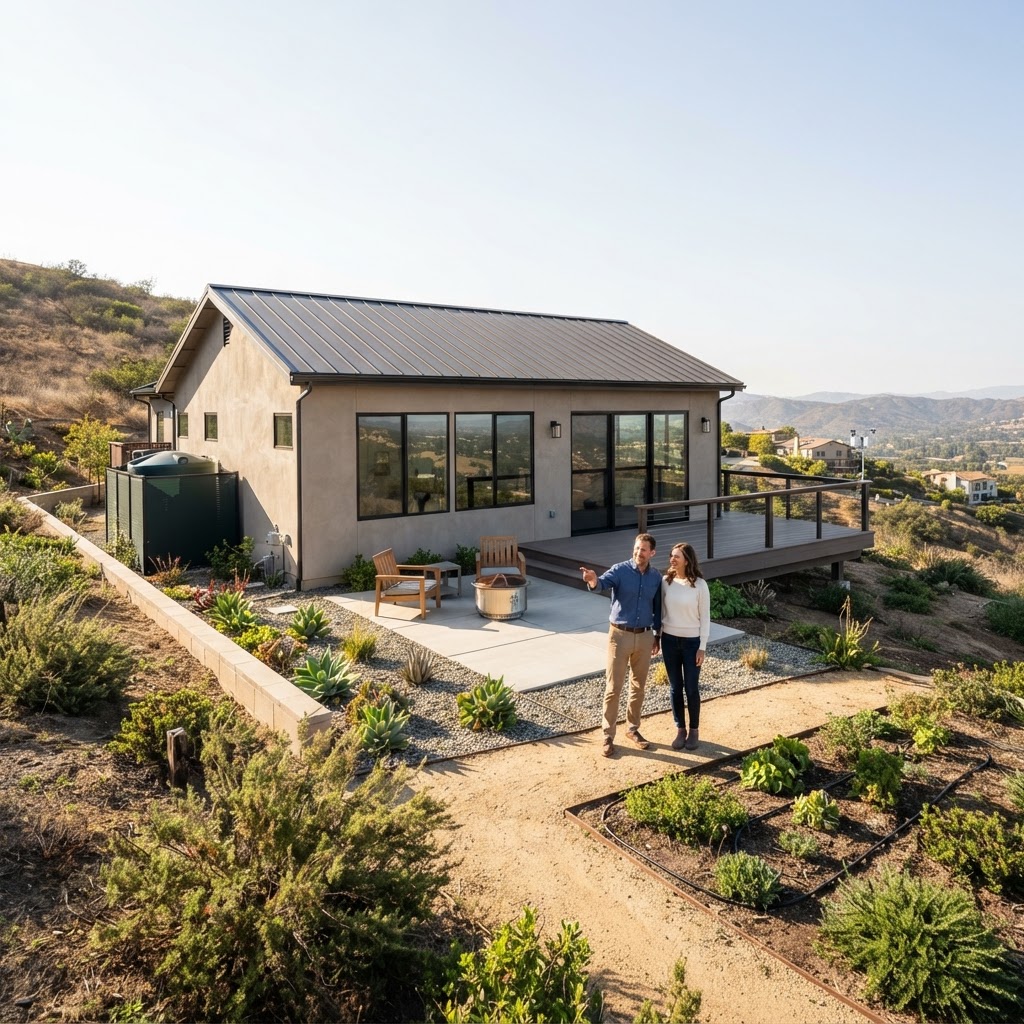
- Ember-Resistant Venting: Replacing traditional attic and crawlspace vents with flame-and-ember-resistant models (ASTM E2886 certified) is the highest ROI upgrade, often costing less than $2,000 but preventing the most common cause of home ignition.
- The Five-Foot 'Non-Combustible' Zone: Removing all flammable vegetation and mulch within five feet of the home perimeter. Data from the National Association of Realtors (NAR) suggests that while this may alter traditional aesthetics, buyers in 2026 increasingly view a 'clean' perimeter as a sign of a well-maintained, low-risk asset.
- Glazing Upgrades: Multi-pane, tempered glass windows are essential. Single-pane windows are the primary failure point under radiant heat stress.
The Marketability Premium
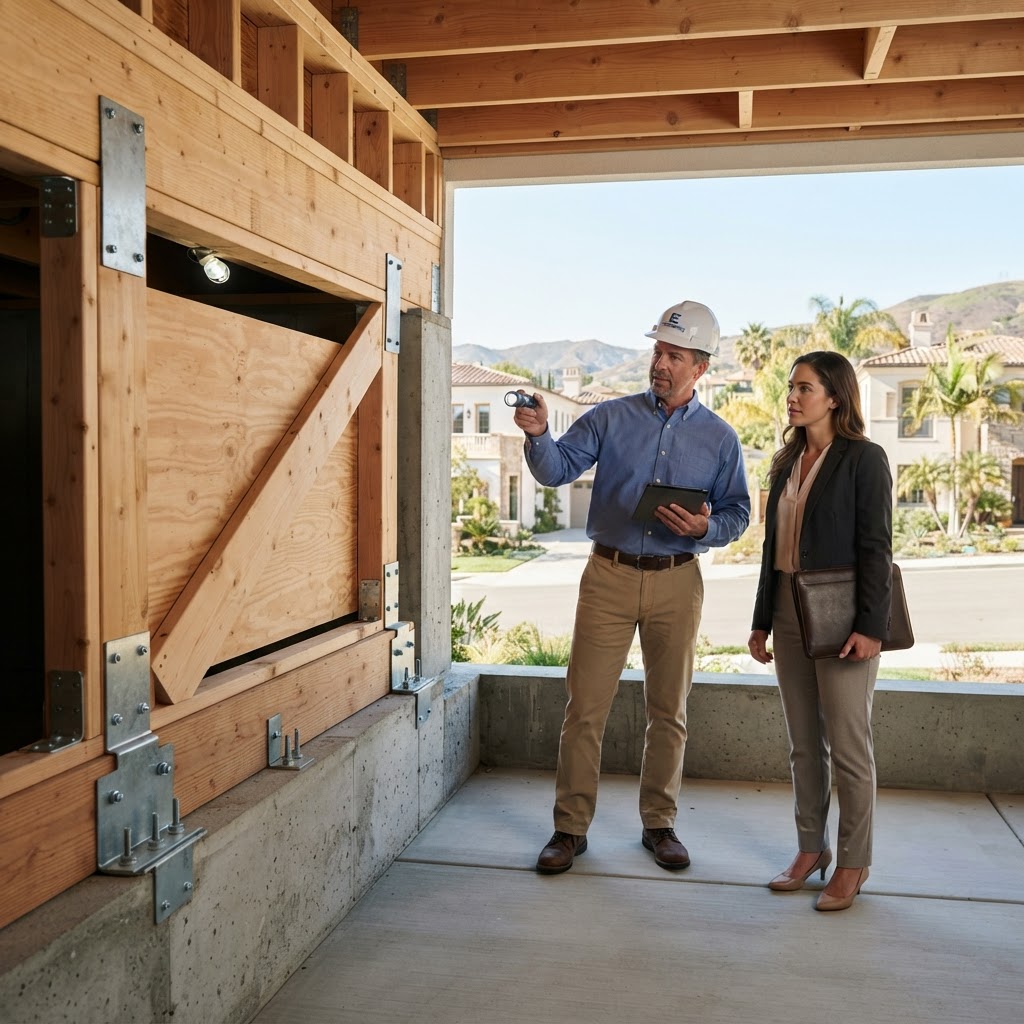
The impact of disaster preparedness is now visible in Multiple Listing Service (MLS) data. Homes in WUI zones that feature documented compliance with AB 38 (Wildfire Mitigation disclosure) are spending 14 days fewer on the market on average than their unhardened counterparts. Buyers are increasingly conducting 'resilience due diligence,' often bringing fire-safety consultants to inspections alongside traditional home inspectors.
Practical Takeaways for Homeowners
- Audit Before Investing: Utilize the California Department of Forestry and Fire Protection’s online self-assessment tools to identify the most critical vulnerabilities specific to your topography.
- Document Everything: Keep receipts and photographic evidence of all hardening upgrades. These are essential for negotiating lower premiums with your insurance agent and justifying a higher asking price during a sale.
- Leverage State Grants: Check the 'California Wildfire Mitigation Program' for available cost-sharing opportunities or low-interest loans designed to subsidize retrofitting for middle-income households.
As we navigate the 2026 summer season, the message for California homeowners is clear: resilience is the new luxury. By transitioning from reactive maintenance to proactive hardening, owners can secure their physical safety while simultaneously anchoring their financial future in an increasingly volatile climate.