The Shift from Risk Mitigation to Value Appreciation
In the California real estate market of 2026, disaster preparedness has transitioned from a checklist of safety measures to a fundamental driver of property valuation. As climate volatility persists, buyers and institutional investors are no longer viewing 'hardened' homes as a luxury, but as a prerequisite for asset protection. Data from the National Association of Realtors (NAR) and recent MLS trends indicate that homes with verified resilience certifications are commanding a 'resilience premium,' often outperforming non-certified peers by 5% to 8% in total sale price.
The Valuation Impact of IBHS and Wildfire Prepared Designations
The primary catalyst for this valuation shift is the standardization of resilience ratings. The Insurance Institute for Business & Home Safety (IBHS) 'FORTIFIED' and the 'Wildfire Prepared Home' designations have become the gold standard for California homeowners. According to a 2025 report by the California Department of Insurance, properties that achieve these certifications not only benefit from mandatory premium credits but also see a significant reduction in 'days on market.' In high-fire-risk regions like the Sierra Foothills or the Santa Monica Mountains, a certified home represents a lower risk of uninsurability—a factor that has become a deal-breaker for modern mortgage lenders.
The Insurance-Equity Loop
The relationship between insurance availability and home equity is now direct and measurable. With the California FAIR Plan expanding its capacity in 2026, homeowners who invest in structural resilience—such as ember-resistant vents, Class A roofing, and non-combustible perimeter zones—are finding it easier to transition back to private market carriers. This movement away from the insurer of last resort is critical for equity; properties insured through the private market typically see higher appraisal values because they signify a stable, lower-risk investment environment for the lender.
Strategic Investment for Homeowners and Investors
For California homeowners looking to protect their investment, the path forward involves tactical upgrades that are documented and verified. The current market rewards transparency. Real estate professionals are now utilizing 'Resilience Disclosure Statements' during escrow to highlight the specific engineering and material upgrades that distinguish a property from its neighbors. This documentation serves as a hedge against the 'climate-induced depreciation' seen in areas that have neglected structural hardening.
Practical Takeaways for the California Market
- Pursue Verification: Do not just perform upgrades; obtain the IBHS Wildfire Prepared Home™ designation. This certification is a powerful marketing tool that provides third-party verification of your home’s durability.
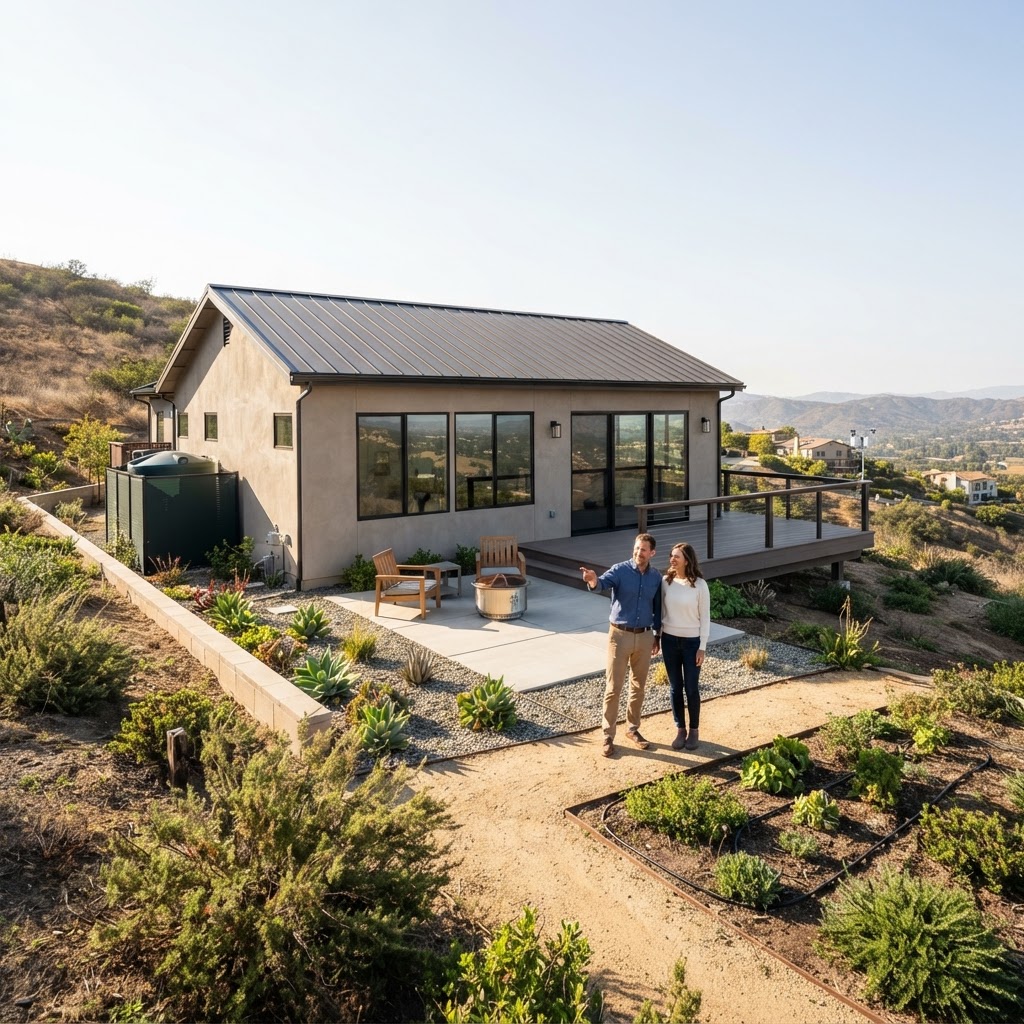
- Audit Your Roof and Eaves: Focus on 'low-hanging fruit' with high ROI, such as replacing standard attic vents with Vulcan or similar ember-resistant models and ensuring a 5-foot non-combustible zone around the structure.
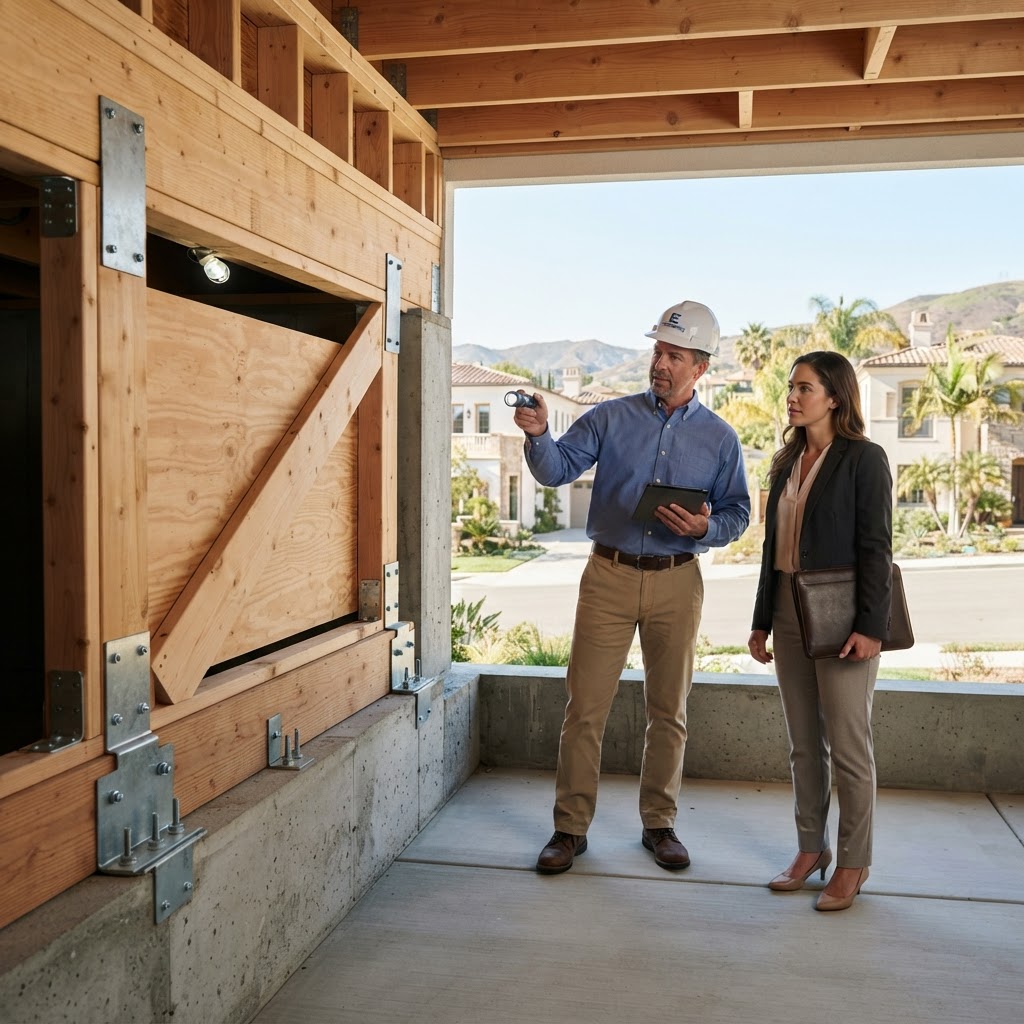
- Leverage Tax Credits: Utilize current 2026 California state tax credits for residential mitigation. These programs often offset up to 25% of the cost of seismic retrofitting or fire hardening.
- Market the 'Resilience Score': If selling, ensure your agent lists your resilience certifications in the MLS 'Green' or 'Safety' fields to attract risk-averse buyers and relocation clients.
As we navigate the second half of the decade, the California homeowner’s greatest asset is no longer just location—it is the verifiable ability of that location to withstand the elements. Investing in resilience is no longer an expense; it is a capital improvement that secures the future of California’s housing wealth.