The Invisible Constraint: Understanding the 'Demand Surge'
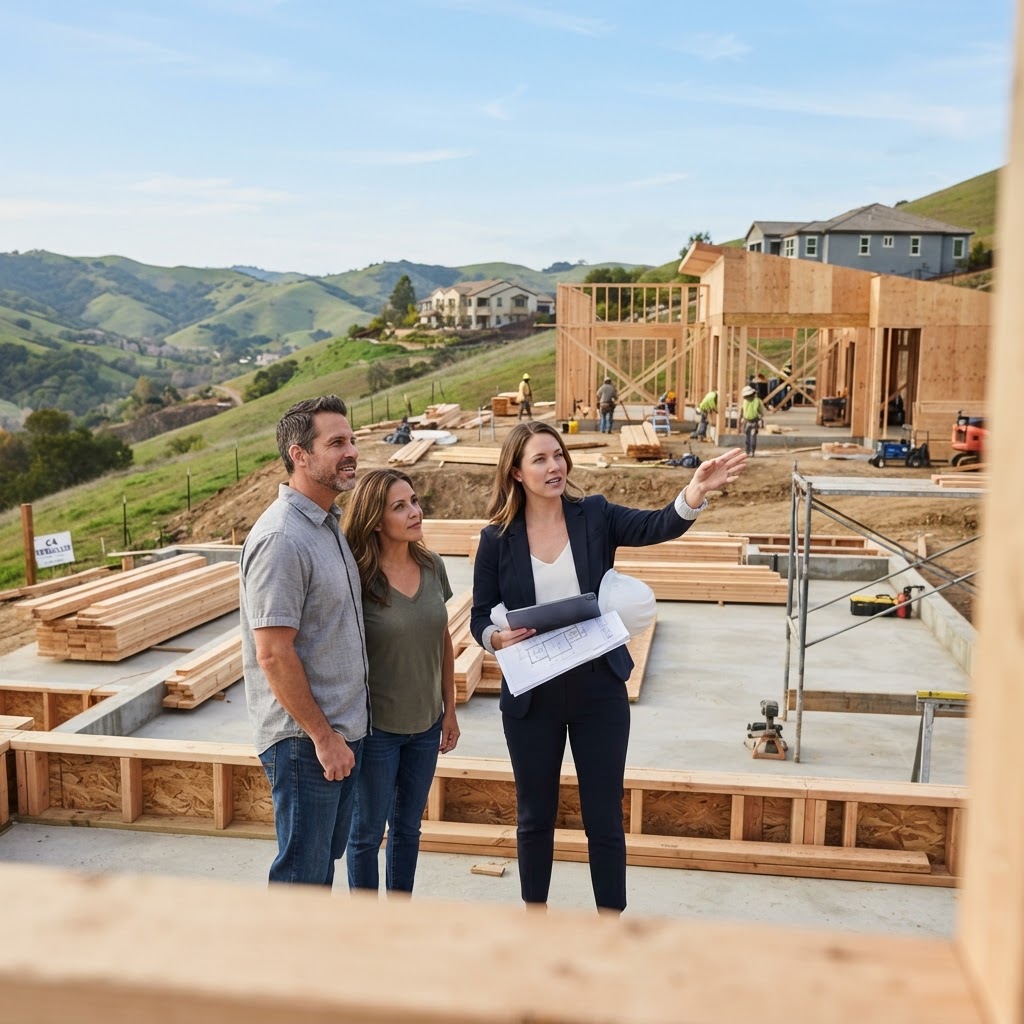
In the immediate aftermath of a California wildfire or seismic event, the focus is rightfully on safety and immediate suppression. However, for homeowners and investors, a secondary crisis often emerges within 90 days: the Demand Surge. This phenomenon, characterized by a sudden, massive spike in the cost of labor and building materials, frequently exceeds the coverage limits of even robust insurance policies. As of 2026, the California construction labor market remains under significant strain, with the Associated General Contractors of America (AGC) reporting a 15% deficit in skilled trades across the Pacific region. When a disaster strikes, this localized shortage converts into a statewide bottleneck, turning a 12-month rebuild into a three-year ordeal.
The Labor Deficit and the 'Right to Repair'
California’s regulatory environment, while protective, adds layers of complexity to post-disaster recovery. The state’s strict licensing requirements mean that out-of-state contractors cannot simply cross the border to fill the void without emergency reciprocity agreements. According to recent data from the California Department of Consumer Affairs, during peak recovery periods, the ratio of available licensed contractors to damaged residential units can reach as high as 1:200 in high-risk zones. This scarcity drives up labor costs by an average of 25-40% compared to pre-event benchmarks. Homeowners must understand that 'standard' insurance payouts are often based on historical data that fails to account for this sudden inflationary pressure.
Material Scarcity: The Global-Local Conflict
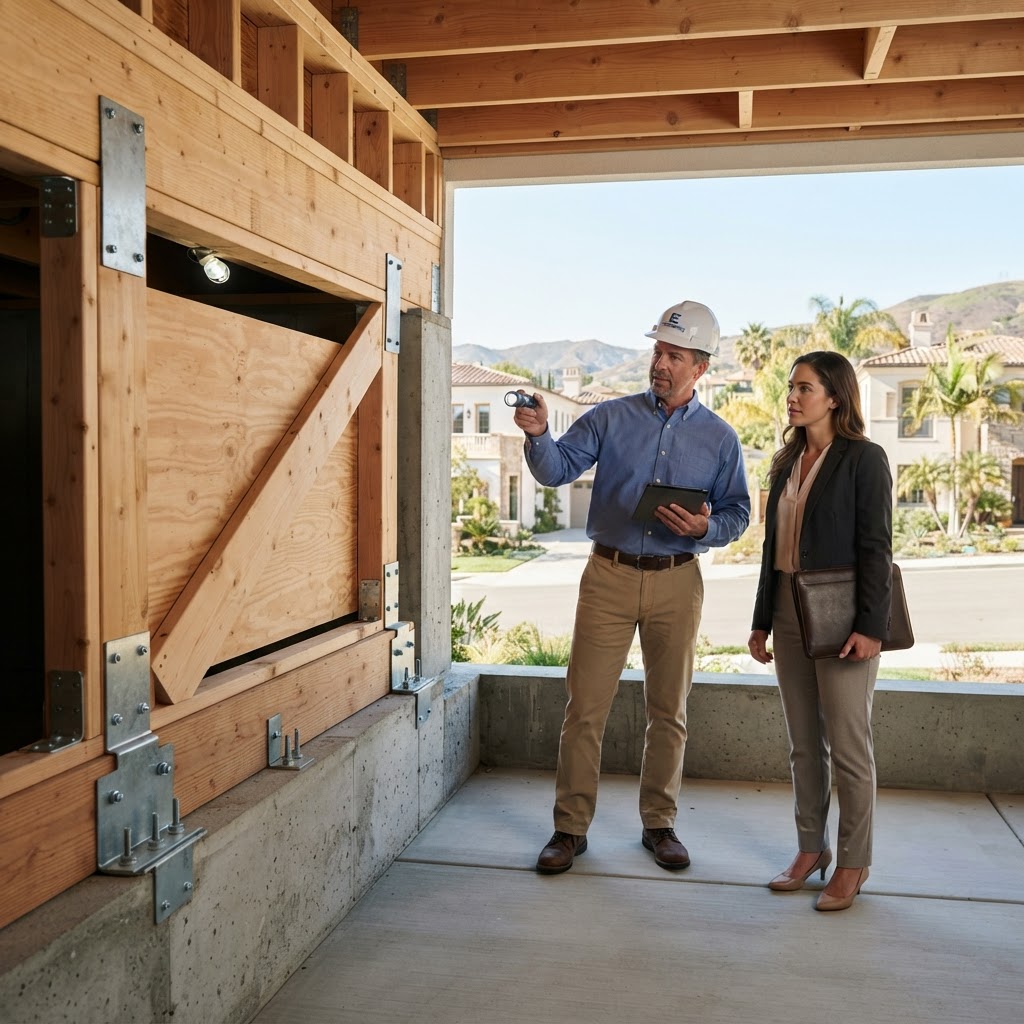
While labor is localized, building materials are global. California’s Title 24 energy standards and CALGreen requirements necessitate specific, high-performance materials—such as multi-pane tempered glass and fire-rated roofing—that are not always stocked in high volumes. In the 2024-2025 recovery cycles, lead times for specialized HVAC systems and WUI-compliant (Wildland-Urban Interface) windows reached 18 to 24 weeks. For homeowners, this means that even with a fully funded claim, the physical 'hardened' reconstruction is delayed by global supply chain variances that are indifferent to local emergencies.
Strategic Takeaways for Long-Term Resilience
- Audit Your 'Extended Replacement Cost' Rider: Ensure your policy includes at least a 50% extension for replacement costs. In high-demand scenarios, 25% is rarely enough to cover the surge in labor and materials.
- Pre-Vet Your Recovery Team: Do not wait for a disaster to identify a licensed contractor. Maintain a 'Resilience Rolodex' of local firms that specialize in WUI-compliant construction. Continuity of relationship often dictates priority in a post-event queue.
- Specifications Over Brands: Work with architects to identify performance-based material specifications rather than brand-specific ones. Knowing that a window must meet a specific fire-rating allows for faster substitutions when one manufacturer faces a backlog.
- Document for Digital Twin Recovery: Maintain a high-definition digital scan (Matterport or similar) of your property. In a post-disaster environment, having accurate, pre-existing structural data can shave months off the architectural and permitting phase of recovery.
The Path Forward
Resilience in the California market is no longer just about preventing damage; it is about managing the logistics of restoration. By anticipating the inevitable scarcity of the recovery pipeline, homeowners can shift from being victims of the demand surge to proactive participants in their own reconstruction. The goal is to move from 'total loss' to 'fully restored' in a timeframe that preserves both equity and peace of mind.