The Liquidity Gap: Beyond the Standard Policy
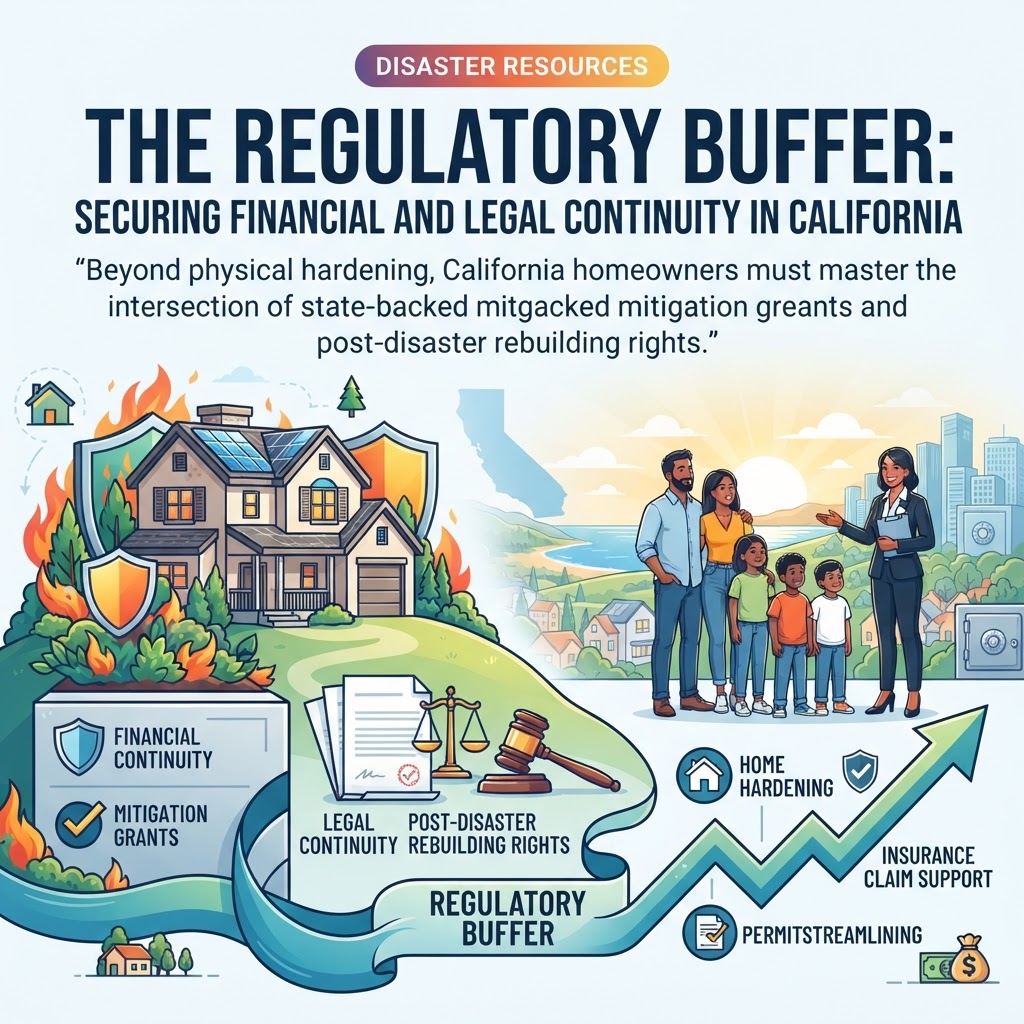
By July 2026, the California insurance landscape has shifted from a crisis of availability to a complex ecosystem of tiered coverage. While previous years focused on merely obtaining any policy, the current priority for homeowners is the "Regulatory Buffer"—the strategic alignment of state-funded mitigation grants, FAIR Plan integration, and the preservation of rebuilding rights under evolving state law. With the California FAIR Plan now exceeding 450,000 policies as of early 2026, the financial survival of a property depends less on traditional all-peril coverage and more on the homeowner’s ability to bridge the gap between state-backed minimums and total loss recovery.
Leveraging the California Wildfire Mitigation Program (CWMP)
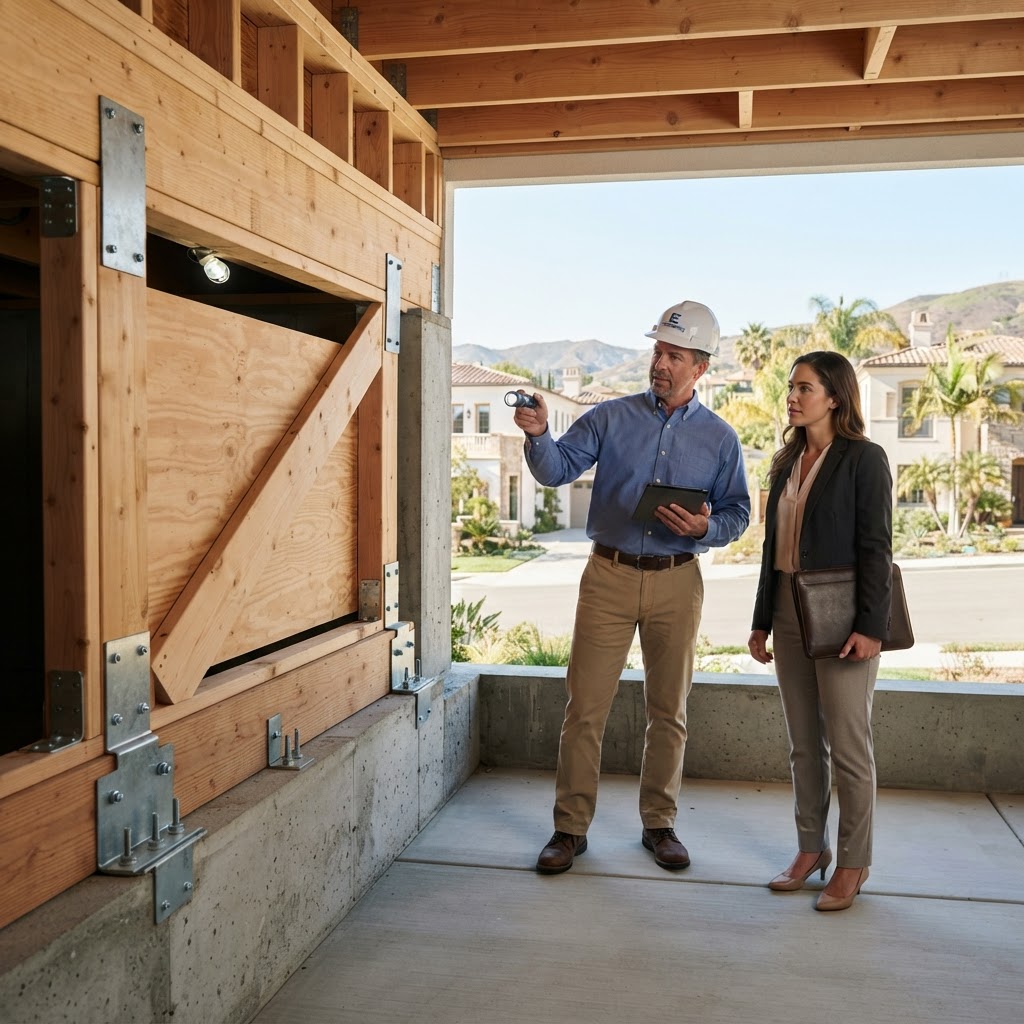
For homeowners in High Fire Hazard Severity Zones (HFHSZ), the California Wildfire Mitigation Program (CWMP)—a joint effort between Cal OES and CAL FIRE—has become a vital financial instrument. Data from the 2025 year-end report indicates that homes utilizing CWMP grants for retrofitting saw an average 12% reduction in secondary market insurance premiums. These grants often provide up to $40,000 for home hardening, covering non-combustible siding and ember-resistant venting. To maintain resilience, investors and owners must treat these grants not as optional upgrades, but as essential capital improvements that preserve the insurability of the asset.
The DIC Strategy: Bridging the FAIR Plan
As private carriers continue to restrict comprehensive policies in WUI (Wildland-Urban Interface) areas, the "Difference in Conditions" (DIC) policy has emerged as the gold standard for financial continuity. A FAIR Plan policy provides the fire coverage, but it leaves significant exposures in liability, theft, and water damage. According to recent market analysis, homeowners who skip the DIC wraparound face an average out-of-pocket exposure of $85,000 during non-fire-related loss events. Smart homeowners are now auditing their DIC policies annually to ensure coverage limits keep pace with the 2026 surge in California construction costs, which have risen 18% over the last 24 months.
Rebuilding Rights: Navigating Post-Disaster Density Laws
A critical, often overlooked component of disaster preparedness is the legal right to rebuild. California’s Senate Bill 9 and subsequent housing mandates have created a unique opportunity—and a risk—during post-disaster reconstruction. Under current 2026 regulations, homeowners in many jurisdictions have the right to rebuild a more resilient, multi-unit structure even if the original was a single-family home, provided they meet the newest wildfire urban interface codes. However, this requires an "Entitlement Audit" prior to a disaster. Knowing exactly what the zoning allows for a total-loss rebuild can be the difference between a forced sale of the land and a high-yield redevelopment project.
Practical Takeaways for 2026 Resilience
- Execute a Grant Audit: Check the Cal OES Dashboard monthly for the release of new mitigation funds specifically allocated to your county’s hazard zone.
- Secure a 'Difference in Conditions' (DIC) Policy: If you are on the FAIR Plan, ensure your DIC policy includes an inflation guard to account for the current 9% annual increase in regional labor costs.
- Pre-Permit Planning: Consult with a land-use attorney to document your "grandfathered" rebuilding rights and explore how current density laws (like SB 9) could apply to a post-disaster rebuild.
- Maintain the Mitigation File: Keep a digital repository of all hardening receipts (vents, roofing, defensible space) to present during the mandatory biennial insurance review required by 2026 state regulations.