The New Reality of the California Risk-Rating Transition
As of July 2026, California’s insurance landscape has moved beyond the immediate 'crisis' phase and into a period of data-driven recalibration. With the California FAIR Plan now covering over 430,000 policies—a record high—the strategic priority for homeowners has shifted from simply finding coverage to qualifying for the private market’s 'preferred' tiers. The difference in annual premiums between a FAIR Plan policy paired with a 'Difference in Conditions' (DIC) wrapper and a standard private policy can now exceed $5,000 for a median-priced home in WUI (Wildland-Urban Interface) zones.
The Rise of the IBHS 'Fortified' Standard
While state-mandated defensible space provides a regulatory baseline, private insurers are increasingly looking for voluntary third-party certifications to justify lower rates. The Insurance Institute for Business & Home Safety (IBHS) 'Fortified' designation has emerged as a critical tool for California sellers. According to data from the first half of 2026, homes with a certified 'Fortified' designation in high-risk zones sold for a 3.8% premium compared to non-certified peers, as buyers increasingly factor 'insurability risk' into their offers.
The Underwriting Audit: Practical Takeaways
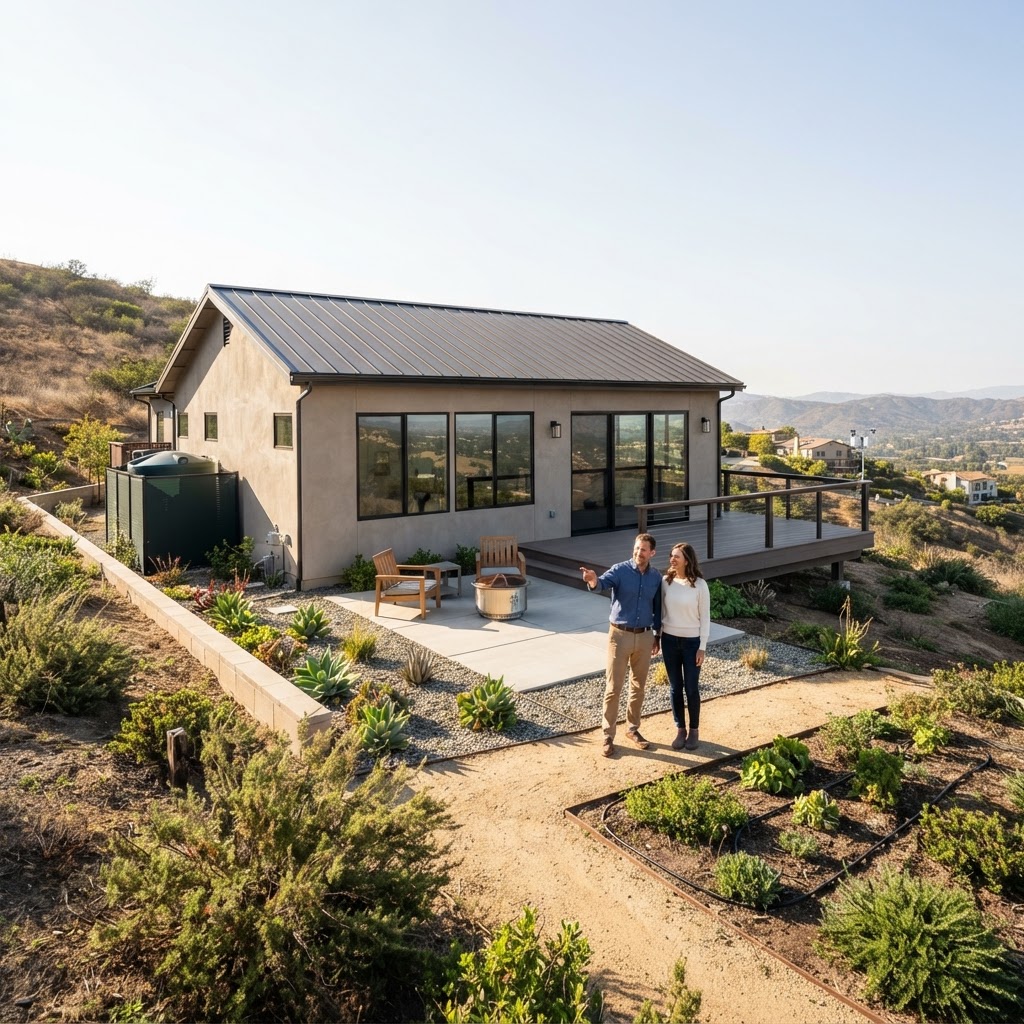
- Beyond Zone 0: While the 'Zero-Zone' mandate is law, underwriters are now looking for the use of non-combustible siding (such as fiber cement) and the elimination of 'attachment hazards' like wooden fences or decks that bridge the gap between vegetation and the structure.
- Ember-Resistant Vents: Upgrade to ASTM E2886-certified vents. Standard mesh is no longer sufficient for most private carriers; these specialized vents are designed to block radiant heat and embers during a wind-driven event.
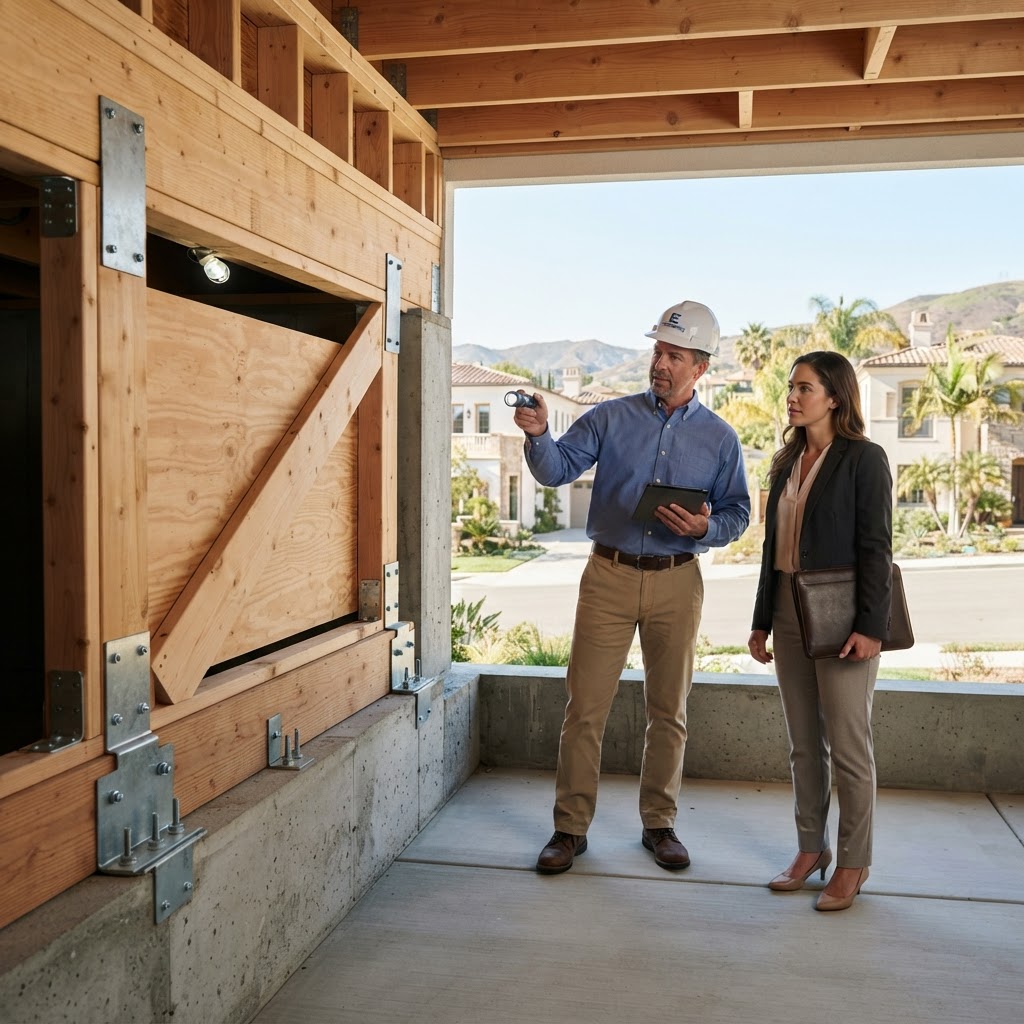
- The Resilience Dossier: Do not rely on satellite imagery alone. Homeowners should maintain a digital file of geo-tagged photos showing secondary water-resistant barriers (WRB) and Class A roofing materials installed during renovations to present to potential underwriters.
Investor Perspective: The Cap Rate Climate Adjustment
For real estate investors, the 'Underwriting Advantage' is a matter of yield preservation. Properties that fail to qualify for private insurance are seeing effective cap rate compression as high-cost FAIR Plan premiums eat into net operating income (NOI). Forward-looking investors are now budgeting for 'Resilience Retrofits' during the acquisition phase, treating these upgrades as essential capital expenditures (CapEx). In markets like Auburn or Ojai, securing private coverage through mitigation can recover the cost of a wildfire-resilient roof within 48 months through premium savings alone.
Leveraging the FAIR Plan Clearinghouse
The California Department of Insurance 'Safer from Wildfires' framework now mandates that insurers provide transparency regarding discounts. Homeowners should check the FAIR Plan’s 'Clearinghouse' list quarterly. This database identifies properties that private insurers are interested in 'depopulating' from the state’s insurer of last resort. Moving your property onto this list requires active proof of mitigation—turning disaster preparedness into a tangible financial asset that protects both the structure and the owner's credit capacity.