Beyond the Property Line: The Shift to Collective Resilience
For decades, California disaster preparedness focused on the individual: the go-bag, the structural retrofit, and the defensible space. However, as we move through 2026, a critical shift has occurred. With the California Department of Insurance (CDI) implementing more aggressive 'community-level' risk assessments, the individual homeowner's safety and insurability are increasingly tied to the actions of their neighbors. The modern California homeowner must now view resilience as a shared infrastructure project.
The 2026 Insurance Landscape: The Power of Community Certification
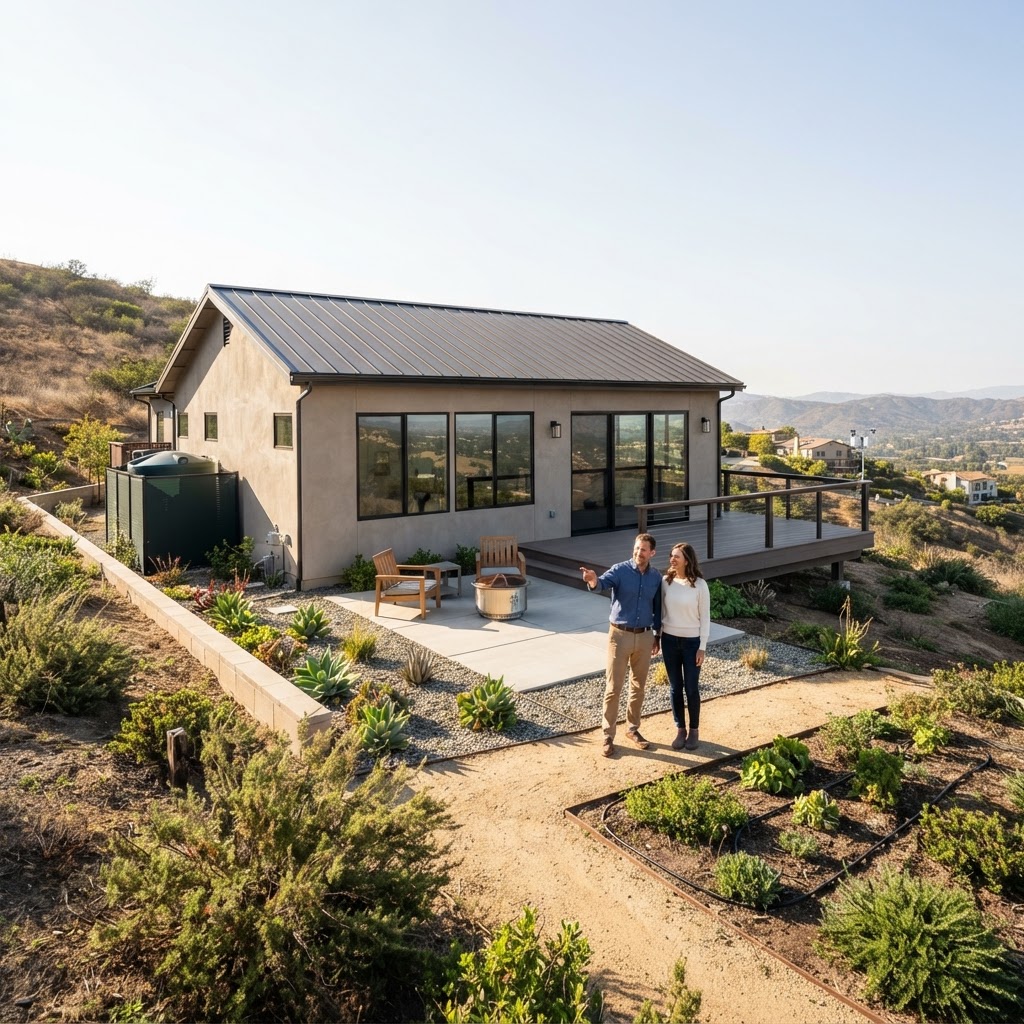
The insurance crisis that peaked in 2024 has evolved into a system where collective mitigation yields the highest dividends. According to data from the California FAIR Plan and leading private insurers, communities recognized as 'Firewise USA' sites or those participating in the 'Safer from Wildfires' framework are seeing faster premium stabilization than isolated hardened homes. In high-risk zones, individual mitigation is now seen as the baseline; community-wide adherence to the 5-foot 'Zone 0' mandate is what moves the needle on neighborhood-wide insurability.
Addressing the 'Big Three' Through a Community Lens
While wildfires dominate the headlines, the 2026 risk profile for California homeowners remains a trifecta of fire, seismic activity, and atmospheric river-driven flooding. The effectiveness of mitigation for these risks is often interdependent:
- Wildfire: Radiant heat and ember blizzards do not respect property lines. A single unmaintained lot can serve as a fuse for an entire cul-de-sac.
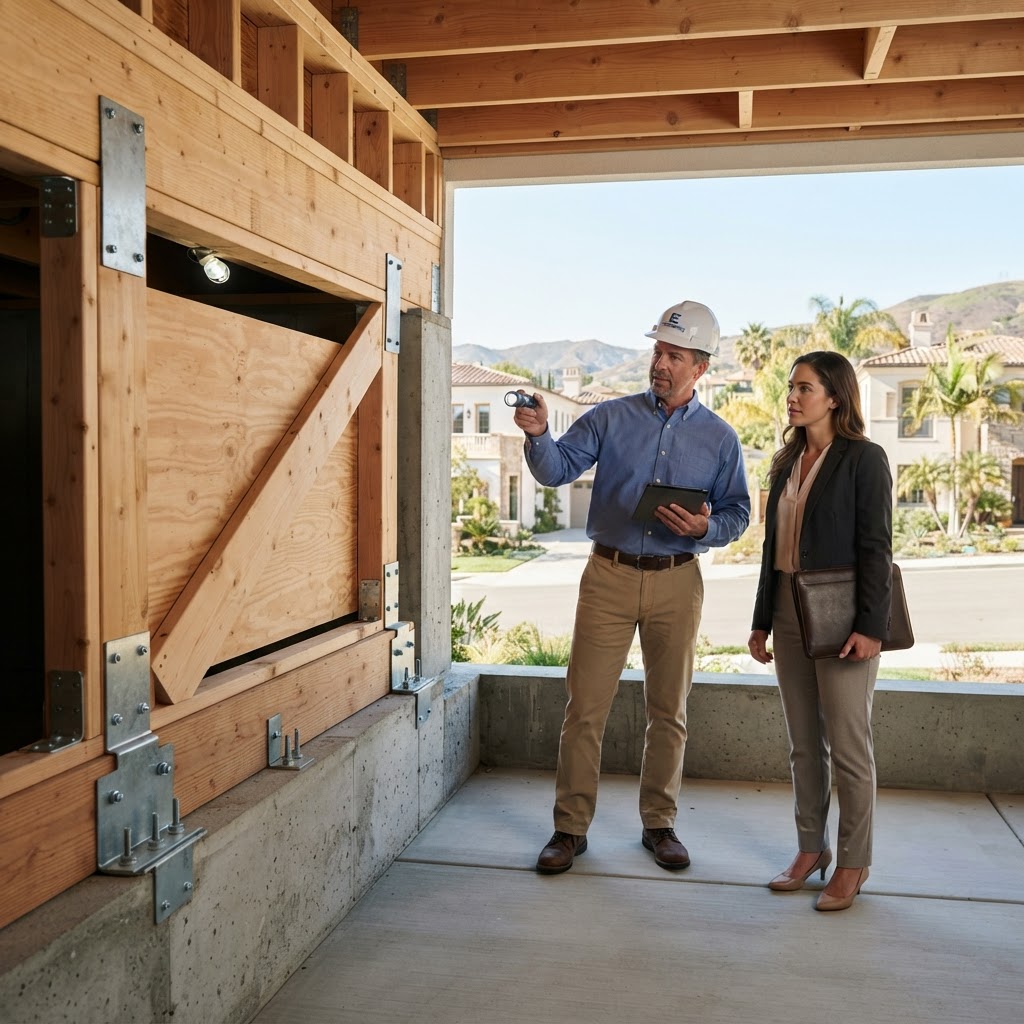
- Earthquake: Structural integrity is paramount, but post-quake resilience depends on shared utility microgrids and the neighborhood’s ability to manage gas-line shutoffs collectively.
- Flooding: As atmospheric rivers intensify, local drainage systems and permeable surfaces must be managed at the block level to prevent localized 'ponding' that causes foundation damage.
Strategic Resources for the Proactive Homeowner
Resilience in 2026 is data-driven. Homeowners should utilize the California Governor’s Office of Emergency Services (CalOES) 'MyHazards' tool to map hyper-local risks. Furthermore, the Listos California initiative provides multilingual, culturally sensitive preparedness resources that are essential for neighborhoods with diverse populations. Engaging with a local Fire Safe Council is no longer optional for those in the Wildland-Urban Interface (WUI); it is the primary vehicle for securing state and federal mitigation grants.
Practical Takeaways for Property Owners
To maximize property value and safety in the current market, investors and homeowners should adopt the following collective strategies:
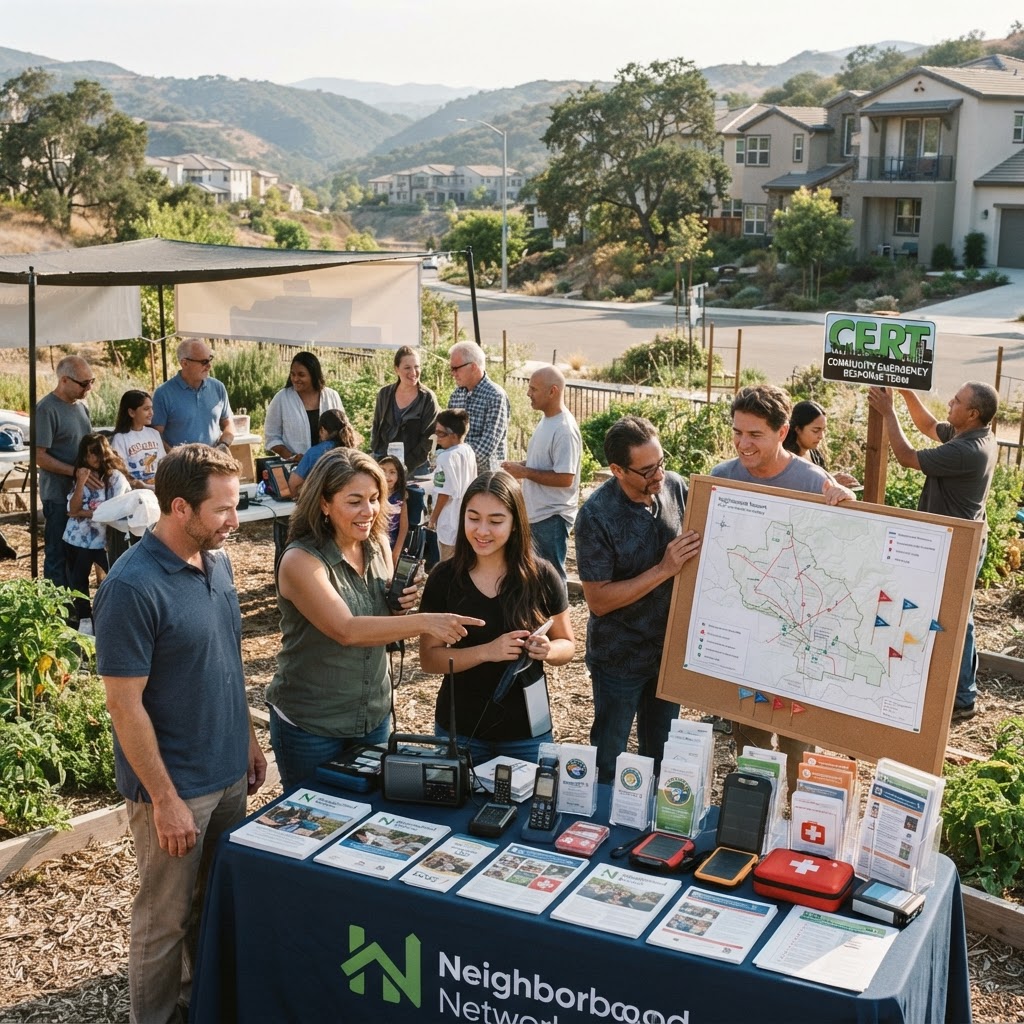
- Form a Resilience Cluster: Organize a group of 5-10 immediate neighbors to standardize defensible space. This 'clout' can be used when negotiating with insurers or applying for the California Residential Mitigation Program (CRMP) grants.
- Shared Resource Caches: Invest in neighborhood-level resources such as high-capacity satellite communication hubs (Starlink-based) and shared emergency water storage, which provide a secondary safety net when municipal services are strained.
- Audit the 'Common Area' Risk: For those in HOAs, scrutinize the association’s reserve fund for disaster mitigation. In 2026, a 'well-funded' HOA is one that has specifically earmarked capital for vegetation management and seismic bracing of shared structures.
Ultimately, California’s real estate market is bifurcating. Properties in 'Resilient Communities' are maintaining equity and liquidity, while those in unorganized high-risk zones face increasing 'stranded asset' risk. Preparedness is no longer just about surviving the next 72 hours; it is about ensuring the long-term viability of the neighborhood ecosystem.