Beyond Single-Hazard Thinking
In mid-2026, California homeowners face a risk landscape that is increasingly characterized not by isolated events, but by cascading disasters. The traditional approach of preparing for 'fire season' or 'flood season' has become obsolete as the state's changing climate creates a feedback loop: prolonged drought leads to catastrophic wildfire, which strips the landscape of vegetation, leading to devastating debris flows during sudden atmospheric river events. For the modern homeowner, resilience is no longer a checklist; it is a unified operational protocol.
The Science of Cascading Risks
According to data from the California Department of Water Resources, approximately 25% of California’s population lives in high-risk flood zones, many of which overlap with areas recently scorched by wildfires. When a landscape loses its ability to absorb moisture due to fire-induced soil hydrophobicity, even moderate rainfall can trigger a disaster. For property owners, this means a mitigation strategy focused solely on fire—such as hardening a roof—is incomplete if the property lacks a drainage master plan to handle the subsequent winter rains.
The Financial Continuity Gap
While previous years focused on the availability of insurance, 2026 is defined by the 'Continuity Gap.' As the California FAIR Plan continues to serve as a backstop for thousands, savvy homeowners are looking toward supplemental 'difference in conditions' (DIC) policies. These policies bridge the gap between the bare-bones fire coverage of the FAIR Plan and the comprehensive liability and water damage protection required to safeguard a real estate asset.
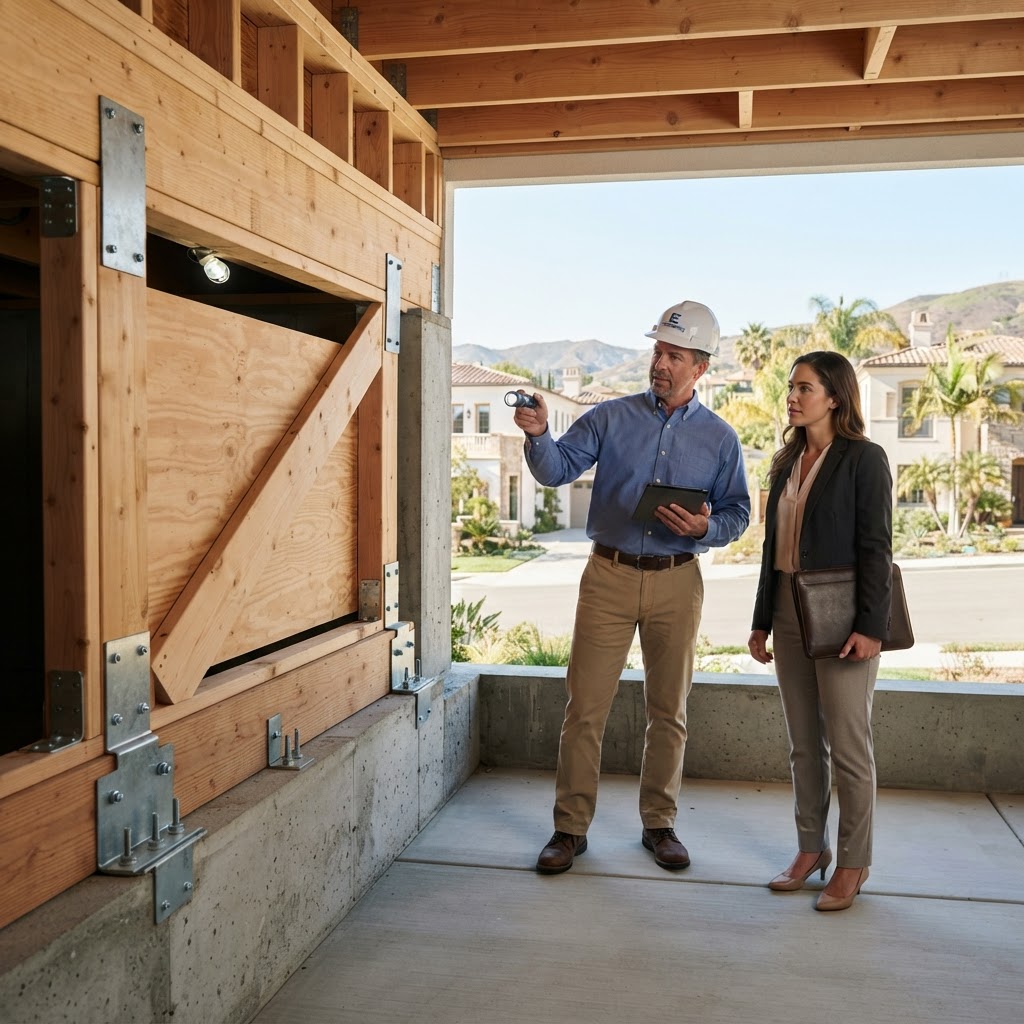
Data from the National Association of Realtors (NAR) indicates that homes with documented, multi-hazard mitigation profiles—those that address fire, flood, and seismic risks simultaneously—retain their value significantly better in high-risk zip codes compared to those that only meet minimum state mandates. Investors are now pricing 'resilience premiums' into their acquisitions, favoring properties that demonstrate proactive watershed management and structural redundancy.
Practical Takeaways for the Resilient Homeowner
- The Integrated Drainage Audit: Engage a civil engineer to assess how your property handles runoff. With the increase in high-intensity rainfall events, traditional gutters and downspouts may no longer suffice. Incorporate bioswales and permeable surfaces to manage water velocity.
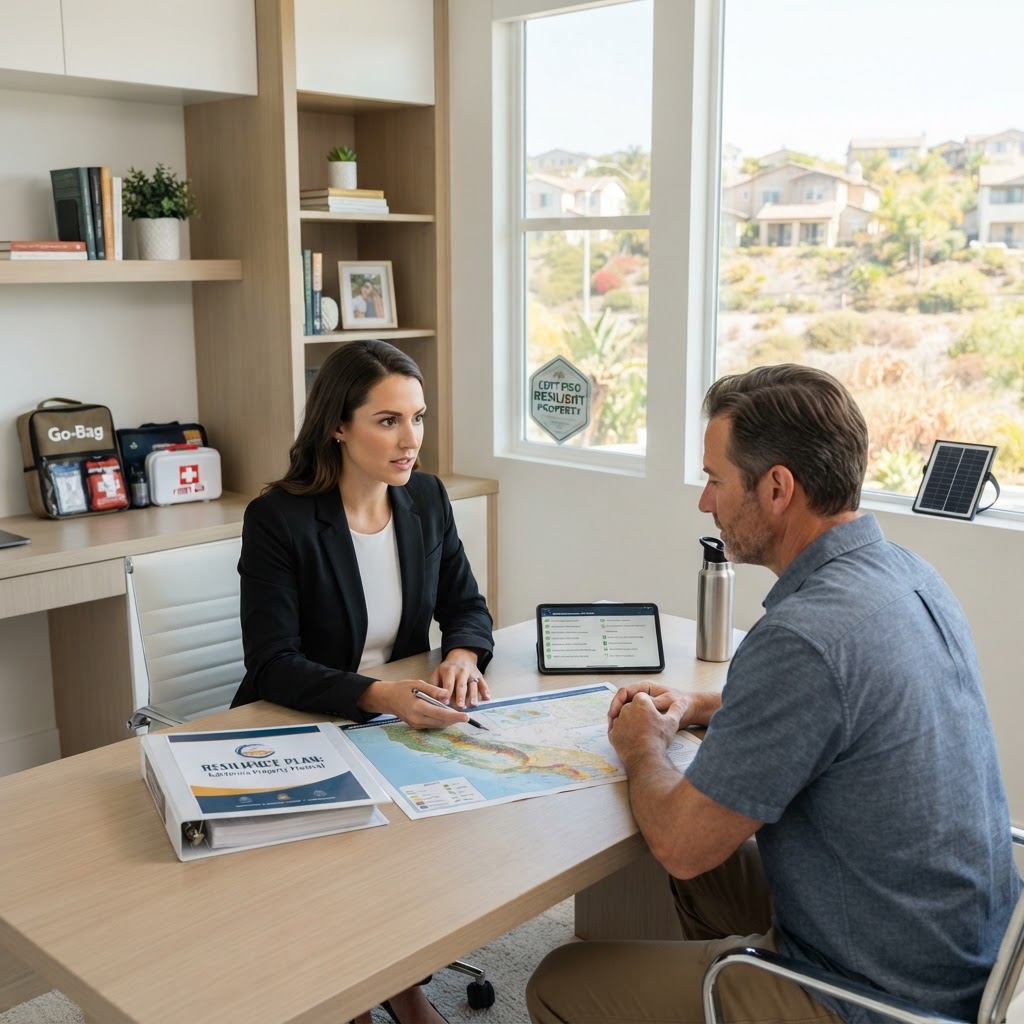
- Administrative Redundancy: Maintain a 'Resilience Ledger.' This should include not just digital inventories of possessions, but also a hard-copy 'Title and Continuity Binder' stored in a fireproof safe. This binder should contain proof of all mitigation efforts (receipts for fire-resistant landscaping, seismic retrofitting certificates), which can be vital for insurance premium negotiations or post-disaster appraisal disputes.
- Community-Scale Defense: Individual action has diminishing returns if the surrounding neighborhood is vulnerable. Properties within 'Firewise USA' recognized sites often see better long-term marketability. Homeowners should advocate for neighborhood-wide fuel reduction and shared emergency communication nodes.
- Legal and Transfer Readiness: Ensure that all disaster-related disclosures are current. Under California law, failure to disclose known risks or previous disaster damage can lead to significant litigation during the sale process. Proactive disclosure of a 'Mitigation Portfolio' can actually serve as a marketing tool rather than a deterrent.
The Future of California Equity
The goal of disaster preparedness in the current market has shifted from mere survival to asset preservation. By viewing the property as part of a larger, interconnected ecosystem, California homeowners can navigate the volatility of the mid-2020s. Resilience is the new baseline for equity; those who treat preparedness as a comprehensive, ongoing protocol rather than a one-time project will be the ones who successfully bridge the gap between risk and reward in the Golden State.