The Shift from Passive to Active Compliance
As of mid-2026, the landscape of California homeownership has undergone a fundamental regulatory shift. While previous years focused on voluntary hardening, state mandates following the 2025 legislative session have integrated wildfire resilience directly into the real estate transaction pipeline. For homeowners in High and Very High Fire Hazard Severity Zones (FHSZ), 'defensible space' is no longer a weekend gardening project—it is a legal prerequisite for marketability and insurability.
The Five-Foot Rule: Decoding Zone 0 Requirements
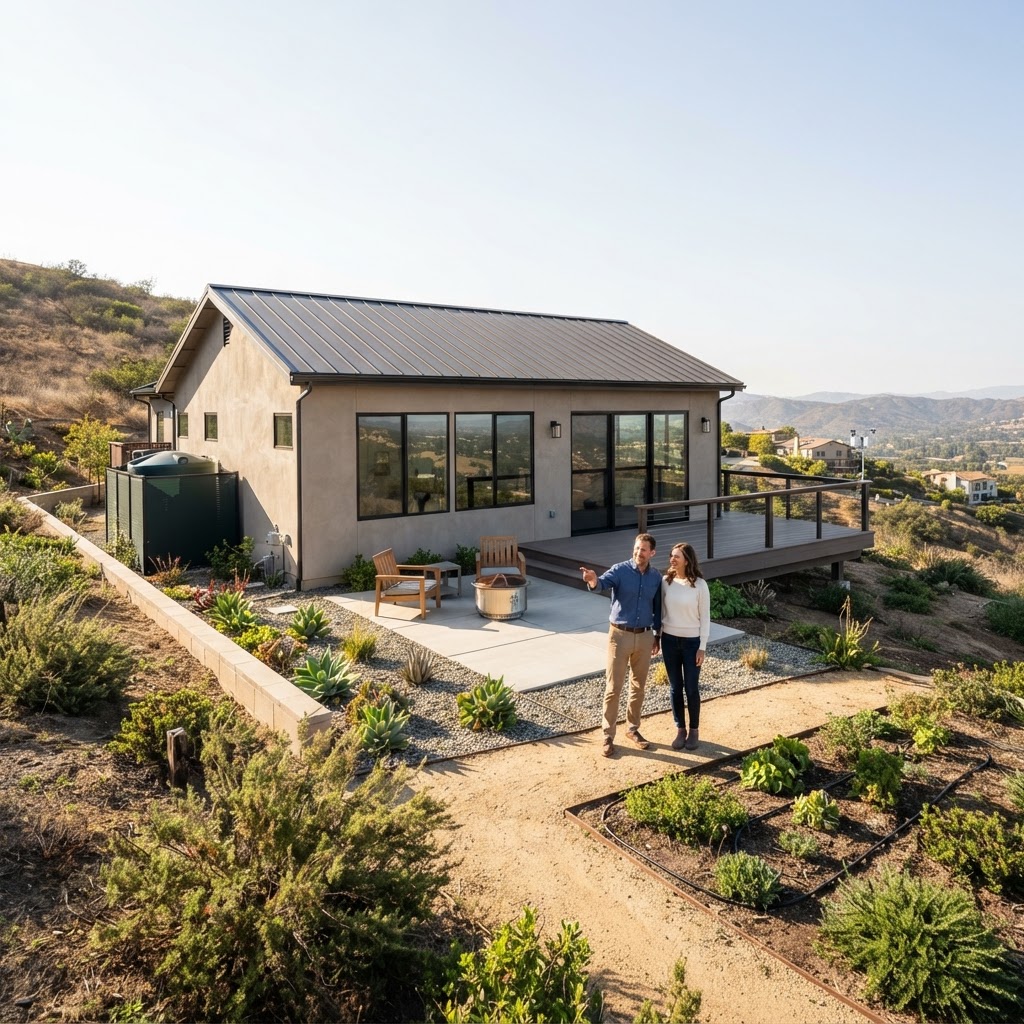
The most critical update facing homeowners today is the strict enforcement of 'Zone 0.' This refers to the Ember-Resistant Zone, encompassing the first five feet extending out from any structure, including attached decks and fences. According to CAL FIRE data, up to 90% of homes lost to wildfire are ignited by embers rather than the main fire front. In response, 2026 regulations now mandate that this zone be entirely free of organic mulch, woody vegetation, and combustible materials.
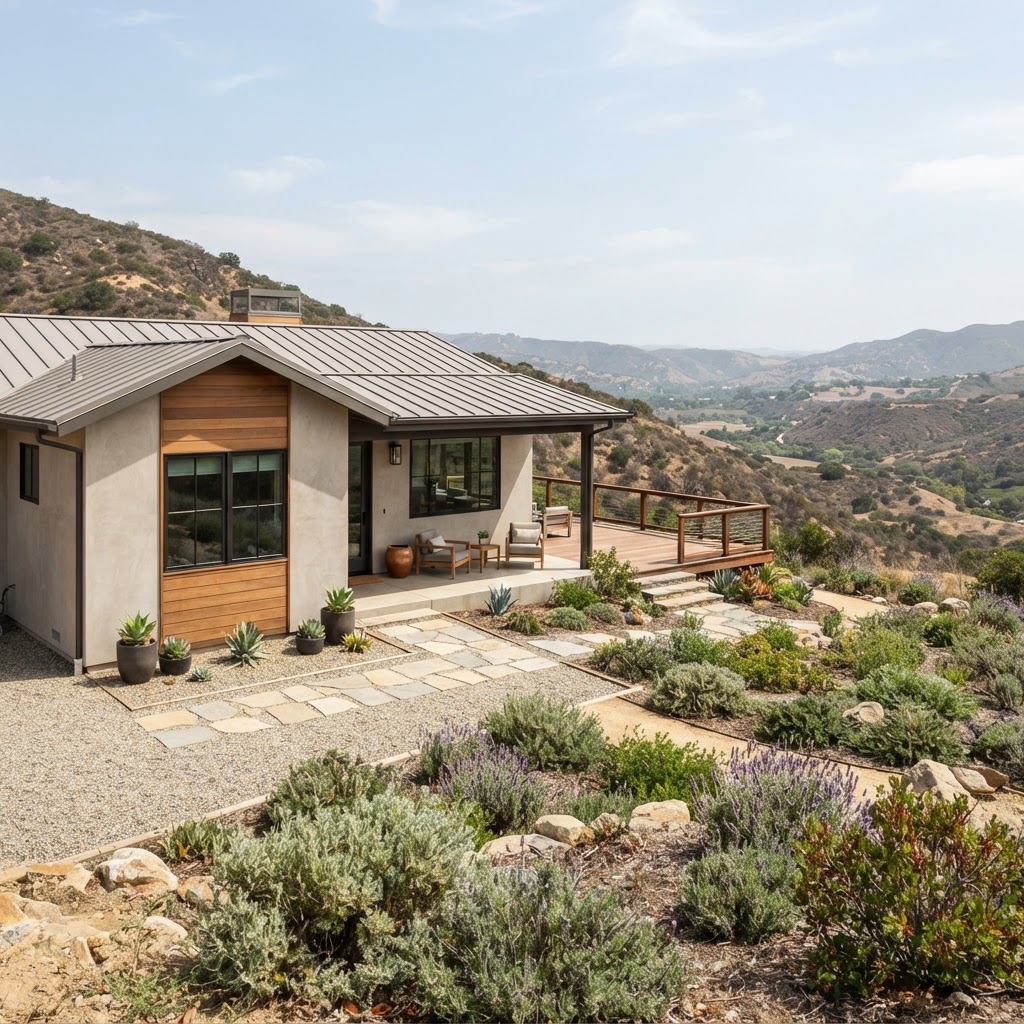
For the modern investor or seller, this means replacing traditional bark or wood chips with non-combustible alternatives such as gravel, river rock, or pavers. Data from the National Association of Realtors (NAR) indicates that properties with certified Zone 0 compliance are seeing 4-6% faster closing times compared to those requiring remediation during the escrow period.
The Escrow Bottleneck: AB 38 and Compliance Documentation
The evolution of Assembly Bill 38 has reached a critical maturity point in 2026. Sellers are now required to provide buyers with documentation of a compliant defensible space inspection within six months of closing. In high-demand markets like the Sierra Foothills and coastal canyons, the lack of a 'Notice of Compliance' is increasingly becoming a deal-breaker.
Beyond the legal mandate, the insurance implications are profound. Current trends in the California FAIR Plan and the rebounding private market show a clear preference—and often a premium discount—for properties that exceed state minimums. Homeowners who can demonstrate a 'hardened perimeter' through professional certifications are finding themselves in a significantly stronger position during policy renewals.
Investment Strategy: The Resilience Premium
Strategic property improvements should now prioritize the perimeter. While interior renovations still offer value, the 'Resilience Premium' is the emerging metric for California real estate. CBRE reports suggest that institutional investors are increasingly applying a 'climate-risk discount' to properties that have not addressed vegetation management. Conversely, proactive landscaping that utilizes drought-tolerant, fire-resistant species (such as succulents, French lavender, or hedging roses) can enhance curb appeal while fulfilling safety requirements.
Practical Action Plan for 2026
- Audit the Perimeter: Remove all combustible materials within five feet of the home. This includes moving firewood piles, removing dead leaves from gutters, and replacing wood fences that attach directly to the siding with metal or masonry gates.
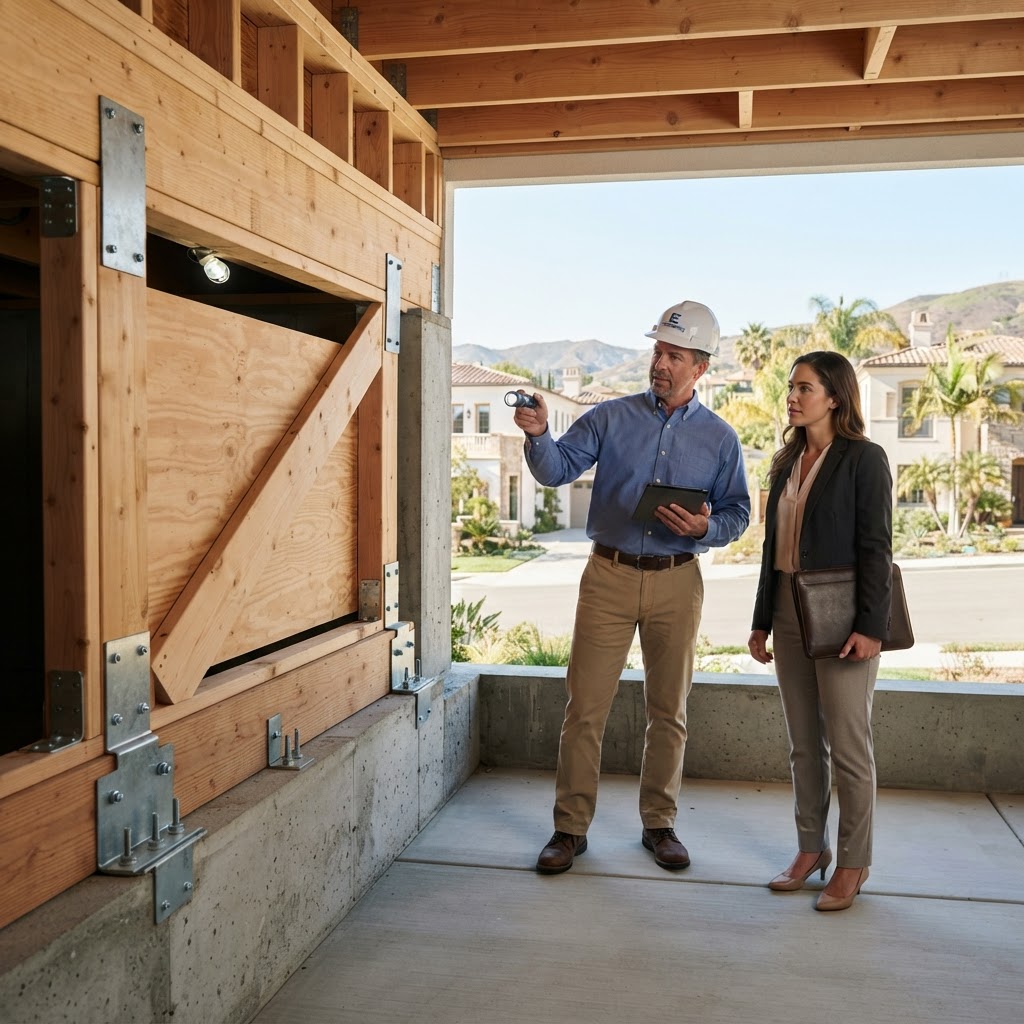
- Schedule Pre-Sale Inspections: Do not wait for escrow. Engaging a private wildfire mitigation specialist or requesting a CAL FIRE inspection early can prevent last-minute delays.
- Verify Vegetation Spacing: Ensure that trees are limbed up at least 6 to 10 feet from the ground and that there is horizontal spacing of at least 10 feet between tree canopies.
- Update Disclosures: Ensure all NHD (Natural Hazard Disclosure) reports are current and that any mitigation work is documented with receipts and 'before-and-after' photography for insurance carriers.
In the current market, disaster preparedness is not merely a safety protocol—it is a sophisticated asset management strategy. By mastering the nuances of Zone 0 and the current regulatory environment, California homeowners can protect both their families and their equity in an era of evolving environmental risks.