Beyond Survival: The Rise of the Certified Hardened Home
For decades, disaster preparedness in California was framed through the lens of emergency kits and evacuation routes. However, as of July 2026, the narrative has shifted toward asset hardening. In a market where climate risk is now a primary factor in underwriting, homeowners are moving beyond DIY mitigations toward formal certifications, such as the Insurance Institute for Business & Home Safety (IBHS) Wildfire Prepared Home™ designation. This shift is not merely about safety; it is a strategic move to preserve home equity in an increasingly volatile market.
The ROI of Resilience: Data from the Field
According to recent market analysis, homes with formal wildfire-resilient certifications now command a premium. Data from the National Association of Realtors (NAR) and local California MLS reports suggest that 'hardened' properties stay on the market 15% shorter than non-mitigated counterparts in High Fire Hazard Severity Zones (HFHSZ). Furthermore, homes meeting the IBHS standard are seeing a valuation boost of approximately 3.5% to 6%, as buyers prioritize properties with lower long-term maintenance and insurance certainty.
The Infrastructure of Hardening
To achieve a 'Hardened' status that reflects in an appraisal, homeowners must address three critical vectors identified by the California Department of Insurance and Cal Fire:
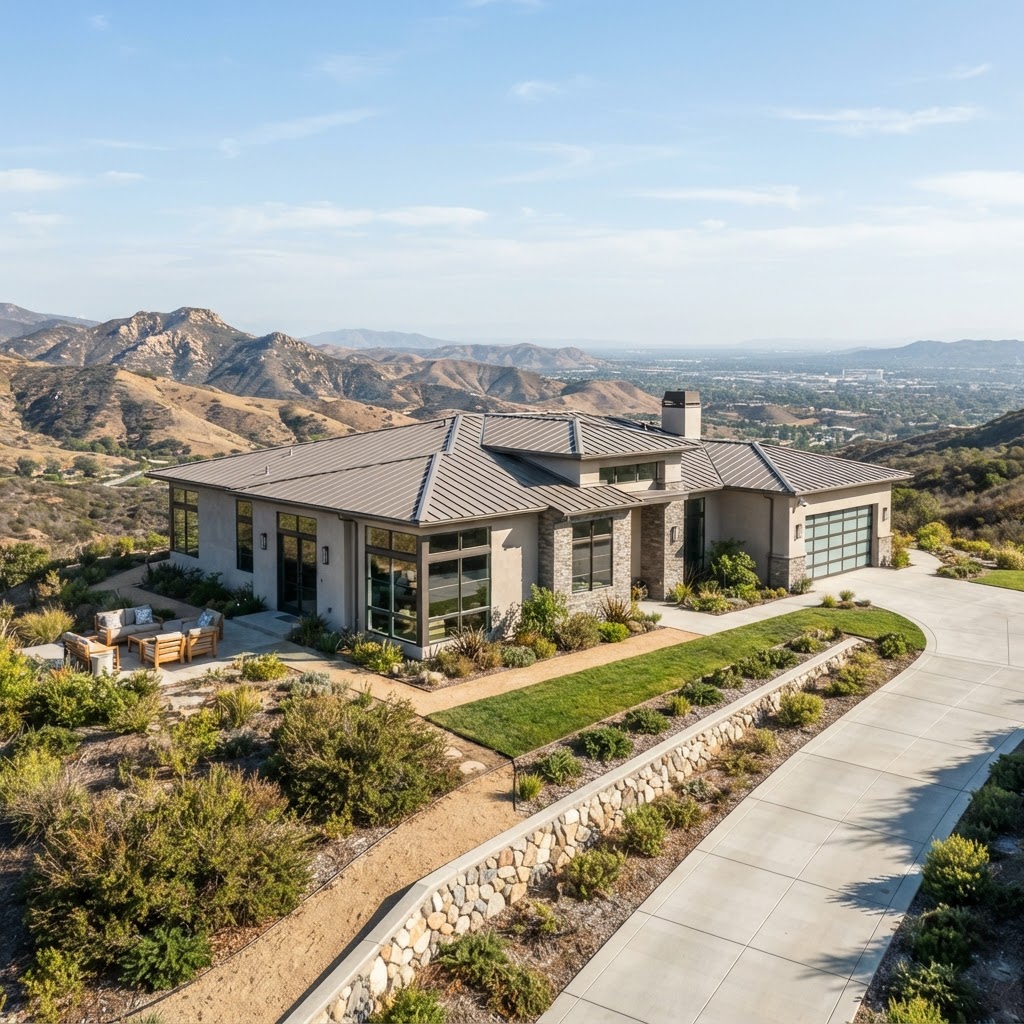
- Class A Roof Assemblies: Moving beyond simple fire-resistance to integrated systems that prevent ember intrusion.
- Ember-Resistant Venting: Installing specialized vents (meeting ASTM E2886 standards) that allow airflow while blocking wind-driven embers.
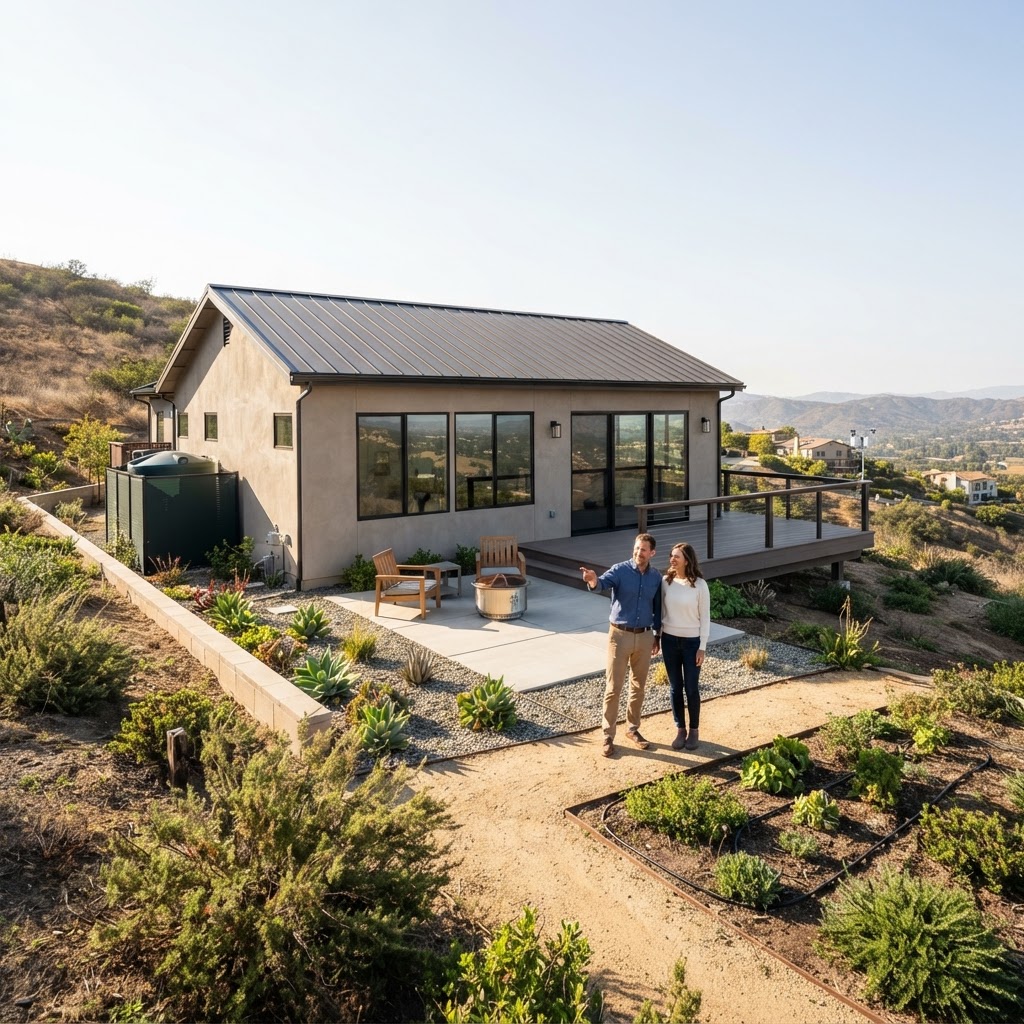
- The Five-Foot Non-Combustible Zone: The 'Zone 0' requirement, which mandates that the immediate five feet surrounding the structure be completely clear of organic mulch, woody debris, or flammable vegetation.
Navigating the Resource Landscape
Homeowners are no longer expected to fund these transitions in a vacuum. The California Residential Mitigation Program (CRMP) and MySafeCA have expanded their grant reach in 2026, offering up to $10,000 for retrofitting older structures. Additionally, the California Fair Plan and private insurers are now mandated under state regulations to provide transparency on how these specific hardening steps impact premium credits, allowing owners to calculate a definitive 'payback period' for their investments.
Strategic Takeaways for Homeowners
If you are a homeowner or investor looking to secure your asset against the next decade of climate volatility, consider these actionable steps:
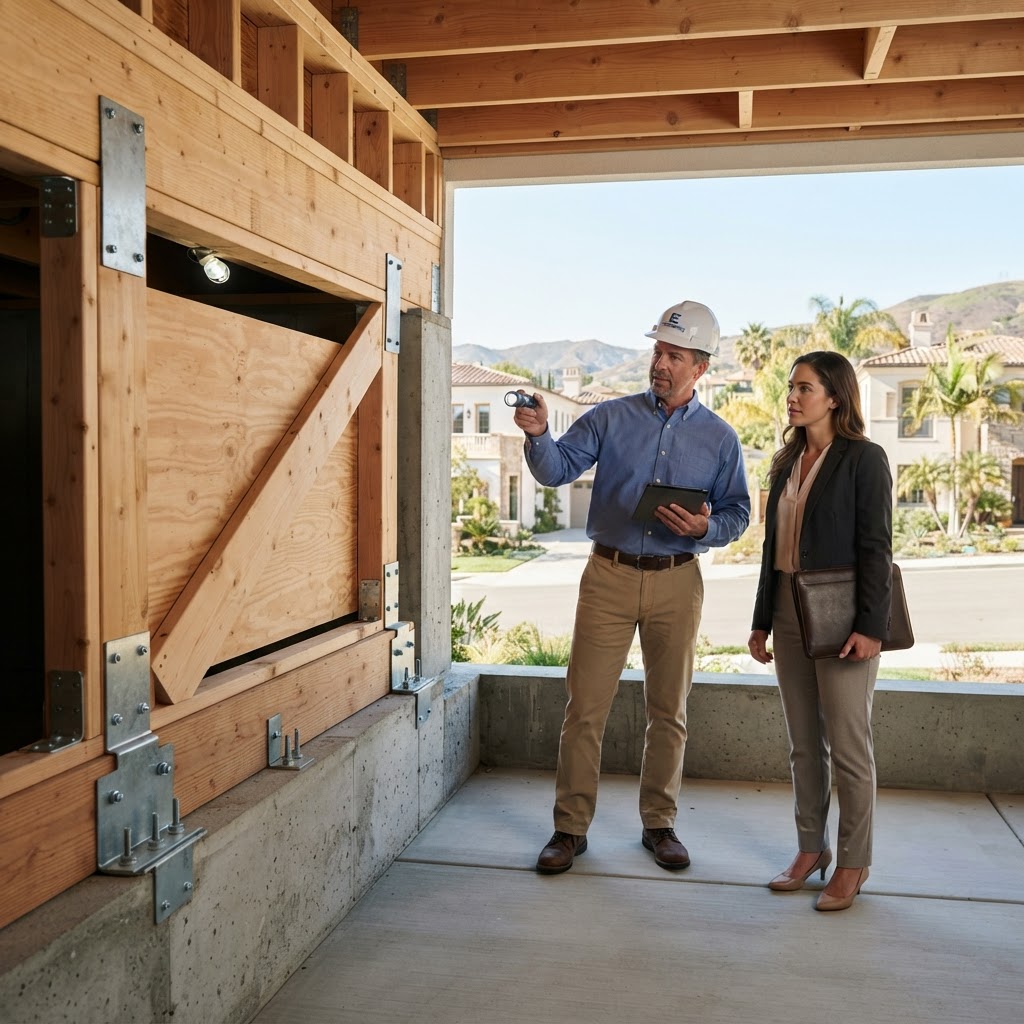
- Seek Third-Party Certification: Do not just mitigate; certify. An IBHS designation provides a paper trail that appraisers can use to justify higher valuations.
- Audit Zone 0 Compliance: Before listing a home, ensure the immediate five-foot perimeter is hardscaped. This is the first thing risk-modeling AI looks for in satellite imagery.
- Leverage the 'Resilience Score': Request a disclosure of the property's FireLine or similar risk score. Understanding the 'before' and 'after' impact of hardening can be a powerful negotiation tool during a sale.
In the California real estate market of 2026, resilience is no longer an optional upgrade—it is the new baseline for liquidity and long-term wealth preservation.