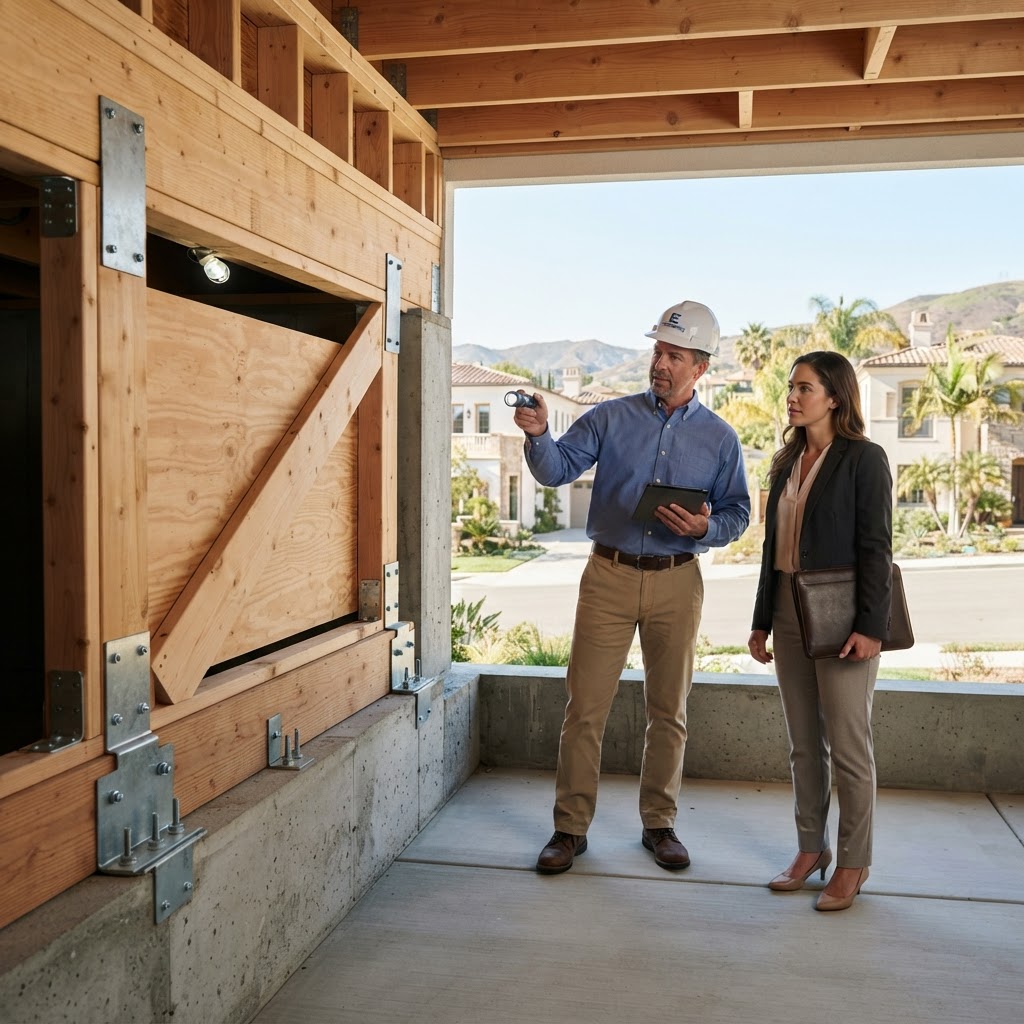
The Shift from Structural Defense to Administrative Recoverability
For the modern California homeowner, disaster preparedness has evolved beyond the physical perimeter. While seismic retrofitting and defensible space are non-negotiable, a new frontier of resilience has emerged: Administrative Recoverability. As of July 2026, the California insurance landscape remains historically tight, with the FAIR Plan seeing record enrollments and private carriers employing sophisticated AI-driven aerial surveillance to assess risk. In this environment, the ability to prove loss with granular precision is the difference between a successful rebuild and a catastrophic financial shortfall.
The Valuation Gap: A Growing Threat
Data from the 2025 California Department of Insurance (CDI) Year-End Report indicates that nearly 62% of homeowners impacted by recent climate events were underinsured by an average of 24% relative to actual reconstruction costs. This 'valuation gap' is driven by hyper-inflation in specialized labor and the surging cost of materials that meet California’s stringent Title 24 energy standards. For a property owner, the most effective hedge against this gap is not just a higher premium, but a high-fidelity digital inventory that eliminates the 'burden of proof' friction during the claims process.
The Digital Twin Strategy: Beyond the Photo Album
Traditional paper lists are obsolete. To ensure resilience, homeowners and investors should adopt a 'Digital Twin' approach to asset management. This involves:
- 4K Geospatial Video Walkthroughs: Utilizing LiDAR-enabled smartphones to create a 3D spatial record of the home’s interior, including structural finishes, high-end cabinetry, and utility installations.
- Cloud-Synchronized Metadata: Storing receipts, appraisals, and warranty documents in encrypted, out-of-region cloud servers. In 2026, many California tech-forward brokerages now recommend 'digital escrow folders' that stay with the property title.
- The Smart Component Log: Documenting the specific models of HVAC systems, solar inverters, and battery storage units, which are often the first items to face supply chain delays during mass recovery phases.
Navigating the 2026 Regulatory Landscape
Recent legislative updates have shifted how claims are handled in the state. Homeowners must be aware of the California Property Documentation Act of 2025, which provides expedited processing for claimants who can provide standardized digital asset logs. Conversely, 'unverifiable' contents claims are increasingly being met with algorithmic denials or extended mediation. For the savvy investor, maintaining a 'Claims-Ready' certification for a portfolio is no longer just a best practice—it is a requirement for securing favorable debt terms and secondary market liquidity.
Practical Takeaways for Homeowners and Investors
- Conduct a Bi-Annual 'Digital Audit': Every six months, update your video inventory to reflect any upgrades or high-value acquisitions. This document should be shared with your broker to ensure the 'Replacement Cost' (RC) rider is accurately calibrated.
- Verify 'Ordinance or Law' Coverage: Ensure your policy includes at least 20-50% for 'Ordinance or Law' coverage. As California’s building codes evolve, rebuilding a 1980s home to 2026 standards requires significant additional capital that standard policies may not cover.
- Secure the 'Administrative Go-Bag': Beyond water and batteries, your emergency kit must include a physical hardware key (YubiKey or similar) for your cloud-stored documents and a notarized power of attorney for property management in the event of displacement.
- Leverage the Resilience Discount: Present your digital inventory and structural hardening logs to your carrier. In the current market, proactive documentation can lead to a 'Risk Mitigation Credit,' reducing premiums by 5-12% depending on the carrier.
In California’s high-stakes real estate market, resilience is no longer just about surviving the event; it is about the speed and completeness of the recovery that follows. By mastering the digital inventory protocol, homeowners can transform from passive policyholders into empowered claimants.