The New Economics of Residential Hardening
In the California real estate landscape of July 2026, the cost of inaction has become a primary driver of homeownership fatigue. As the California FAIR Plan’s policy count continues to fluctuate and private insurers implement stricter ‘hardened home’ requirements, the financial burden of disaster preparedness has shifted from a voluntary upgrade to a non-negotiable prerequisite for marketability. However, a significant shift in the state’s fiscal approach has introduced a ‘Mitigation Multiplier’—a series of state and federal grant programs designed to offset the capital expenditures required for structural resilience.
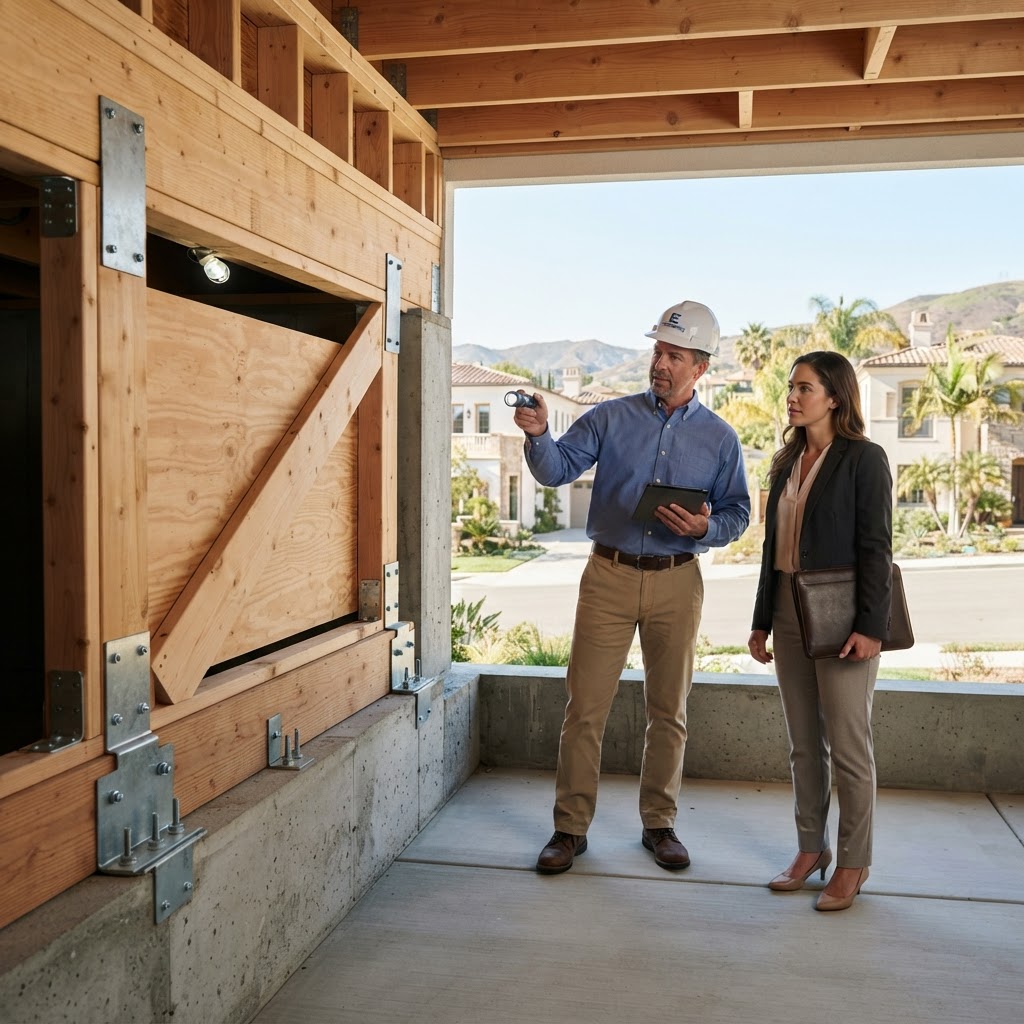
Seismic Stability: The Expansion of the Earthquake Brace + Bolt (EBB) Program
For owners of pre-1980 wood-frame homes, seismic vulnerability remains a critical liability during escrow. According to recent 2025 data from the California Earthquake Authority (CEA), retrofitted homes are up to 75% less likely to suffer catastrophic collapse during a magnitude 6.0 or higher event. The EBB program has expanded its reach in 2026, offering grants of up to $3,000 for standard retrofits, with supplemental grants covering up to 100% of costs for households with an annual income of $87,360 or less.
Strategically, homeowners should prioritize the ‘Cripple Wall’ retrofit—bolting the house to its foundation and bracing the short wood walls. Beyond safety, these retrofits now trigger mandatory premium discounts from the CEA, often ranging from 10% to 25%, providing a direct internal rate of return (IRR) on the owner’s portion of the investment.
Wildfire Resilience: Navigating the 2026 Cal Fire Grant Landscape
Wildfire risk remains the most volatile variable in California property valuation. In early 2026, the California Department of Forestry and Fire Protection (Cal Fire) streamlined its Home Hardening Grant Program, specifically targeting high-fire-threat districts (HFTD). Unlike previous years where funding was localized, the current framework provides direct-to-homeowner rebates for ember-resistant venting, Class A roofing materials, and non-combustible five-foot perimeter zones.
Data from the Insurance Institute for Business & Home Safety (IBHS) indicates that a home built or retrofitted to 'Wildfire Prepared Home' standards can see a significant reduction in loss probability. For a seller, providing a certificate of ‘Hardened Status’ is no longer just a disclosure requirement under AB 38; it is a vital tool for securing buyer financing, as many lenders now require proof of insurability before issuing loan commitments in HFTD zones.
The Financial Synergy: Insurance Credits and Tax Incentives
The intersection of resilience and personal finance has been bolstered by the federal 25C Energy Efficient Home Improvement Credit, which, in 2026, has been interpreted to include certain thermal-mitigation upgrades like high-efficiency, multi-pane windows that also serve as fire-attenuation barriers. Furthermore, the California Disaster Resilience Tax Credit now allows homeowners to deduct a portion of the costs for installing residential battery backups and microgrids, provided they meet the state’s ‘Islanding’ requirements for grid independence during Public Safety Power Shutoffs (PSPS).
Practical Takeaways for the Strategic Homeowner
- Audit the Grant Registry: Before commencing any resilience project, check the ‘California Grants Portal’ for active cycles of the Hazard Mitigation Grant Program (HMGP). Many programs are not retroactive and require approval before work begins.
- Leverage the IBHS Rating: Aim for the ‘Wildfire Prepared Home’ designation. This third-party verification is increasingly recognized by the California FAIR Plan and several private carriers as a basis for premium reductions.
- Synchronize with Maintenance Cycles: If a roof or HVAC system is nearing its end of life, the marginal cost to upgrade to a resilient standard (e.g., stone-coated steel or ember-resistant attic fans) is often 40-60% lower when utilizing state rebates compared to a standalone retrofit.
- Document for the MLS: Keep meticulous records of all structural hardening. In a 2026 market characterized by hyper-local risk scoring, a ‘Resilience Dossier’ can be the difference between a property sitting on the market or receiving multiple offers.