The New Reality of the California Safety Net
As of July 2026, the California insurance landscape has undergone a fundamental transformation. What was once considered a market of 'last resort'—the California FAIR Plan—has ballooned to serve over 550,000 policyholders. For the modern homeowner, disaster preparedness is no longer just about sandbags and go-bags; it is about achieving financial resilience in a hybrid risk market. With the California Department of Insurance (CDI) implementing the Sustainable Insurance Strategy, homeowners must now navigate a complex intersection of mandated mitigation and shifting premium structures.
The Mitigation-to-Premium Pipeline
Data from the 2025 California Wildfire Risk Report indicates that homes with a 'Hardened Status'—verified through the Safer from Wildfires framework—are 40% less likely to see non-renewals compared to unmitigated properties. Under the current 2026 regulations, insurance carriers are required to provide transparency on how wildfire risk scores are calculated and, more importantly, offer premium discounts for specific retrofits. Homeowners should prioritize 'Zone 0' (the first five feet around the structure). Recent MLS data suggests that homes featuring documented 'embayment-resistant' vents and Class A fire-rated roofing are retaining 5-7% more value in WUI (Wildland-Urban Interface) zones than those without.
The Rise of Hybrid Coverage Models
The 2026 market has seen the emergence of 'Gap Wraps' or Difference in Conditions (DIC) policies that work alongside the FAIR Plan. While the FAIR Plan covers fire, lightning, and internal explosion, it lacks liability, theft, and water damage coverage. Real estate investors are increasingly utilizing parametric insurance—a model that pays out a pre-set amount based on the magnitude of an event (such as a 6.5+ magnitude earthquake or a specific wildfire proximity) rather than an adjusted loss. This ensures immediate liquidity for temporary housing and debris removal, which are often the largest hurdles in the first 30 days of a disaster.
Strategic Resilience: Actionable Steps
To secure a property’s financial and physical standing, homeowners should execute the following protocol:
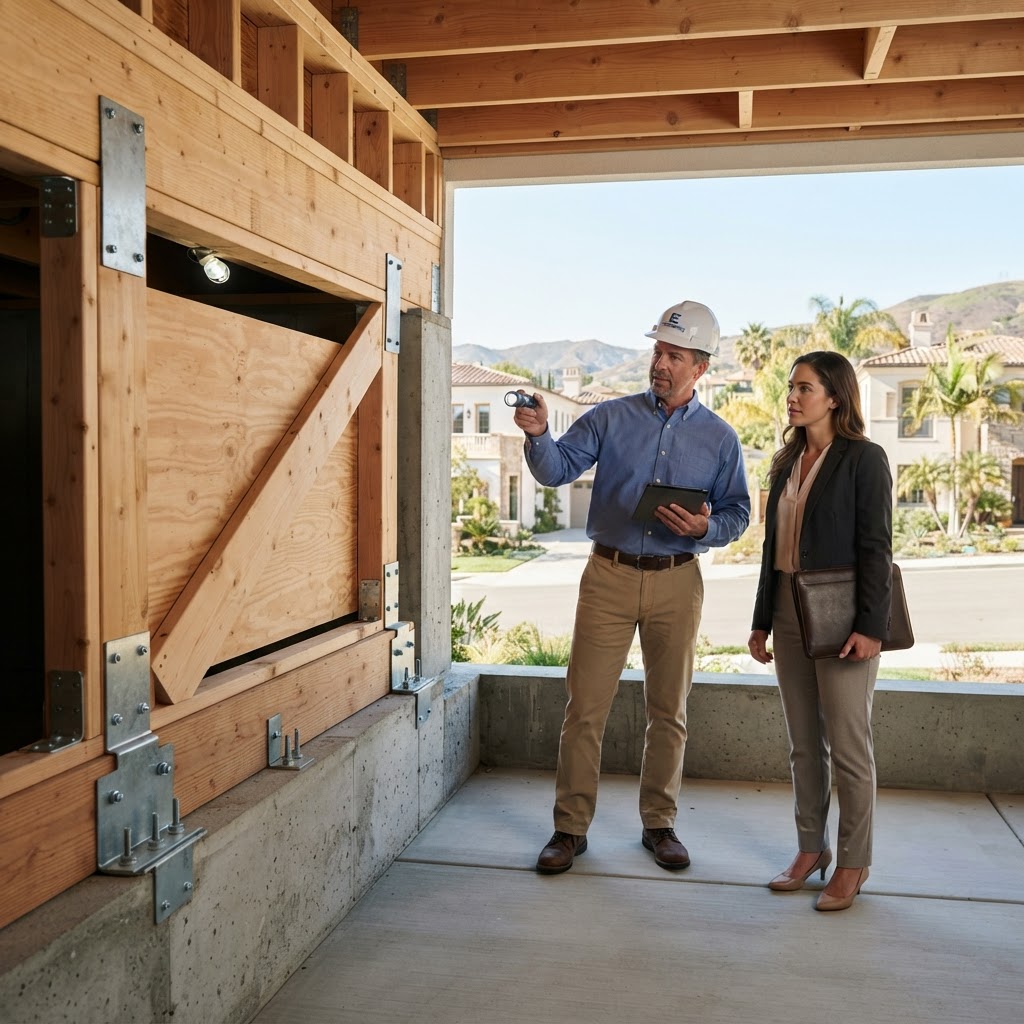
- Secure a Professional Mitigation Audit: Utilize a CAL FIRE-certified inspector to produce a 'Property Hardening Report.' This document is essential for challenging high-risk scores during the annual renewal cycle.
- Enroll in the MyShake Early Warning System: Ensure all household devices are synced with the USGS-backed MyShake app, which in 2026 provides up to 40 seconds of warning for significant seismic events—critical time for automated gas shut-off valves to engage.
- Financial Continuity Folder: Maintain a cloud-based 'Insurance Portfolio' including a digital inventory of assets, a copy of the DIC policy, and pre-authorized contractor lists.
- Vegetation Management: Adhere to the 'Lean, Clean, and Green' standards, ensuring a 100-foot defensible space that is documented via drone photography for insurance compliance.
The Path to Long-Term Stability
Disaster preparedness in California has evolved into a discipline of risk management. By integrating physical hardening with sophisticated insurance layering, homeowners can insulate their equity from the volatility of the climate and the capital markets. As we navigate the remainder of the 2026 fire season, the difference between a protected asset and a total loss lies in the proactive adoption of these hybrid financial and structural strategies.