The New Seasonal Reality: From Fire to Flow
While wildfire mitigation has dominated the California residential narrative for a decade, the 2024-2026 climate cycle has signaled a structural shift in risk priority. According to the California Department of Water Resources (DWR), atmospheric rivers now account for nearly 50% of the state's annual precipitation and nearly 90% of its flood-related damages. For the modern homeowner, resilience no longer stops at 'hardening' against embers; it requires a sophisticated understanding of hydrological flow and slope stability.
The Insurance Blind Spot: Water vs. Earth Movement
A critical vulnerability for California property owners lies in the definitions found within standard policies and the California FAIR Plan. While the FAIR Plan provides a safety net for wind and fire, it explicitly excludes flood and 'earth movement'—a category that encompasses landslides, mudflows, and subsidence. Data from the National Flood Insurance Program (NFIP) indicates that less than 12% of California homeowners carry supplemental flood insurance, even as 'Zone X' (areas designated as moderate-to-low risk) experienced record losses during the 2025 winter surge.
For homeowners, the takeaway is clear: the absence of a mandatory flood insurance requirement by a lender does not equate to the absence of risk. Investors and owners must now look toward 'Private Excess' flood markets and 'Difference in Conditions' (DIC) policies to bridge the gap between fire coverage and hydrological reality.
The Geotechnical Audit: Protecting the Foundation
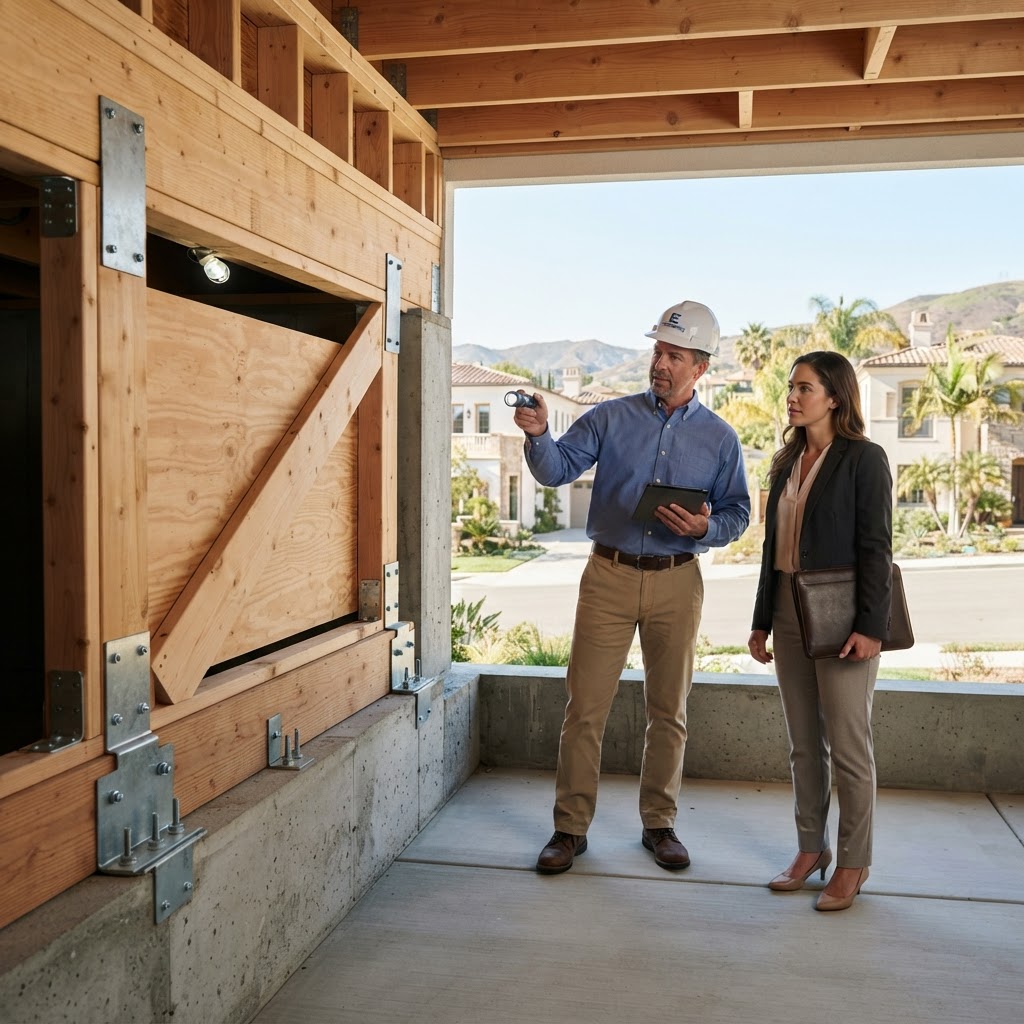
Proactive resilience now requires moving beyond surface-level landscaping. Slope failure often occurs weeks after a rain event as pore-water pressure builds within the soil. Real estate professionals are increasingly recommending geotechnical assessments for hillside properties, even those with no history of instability.
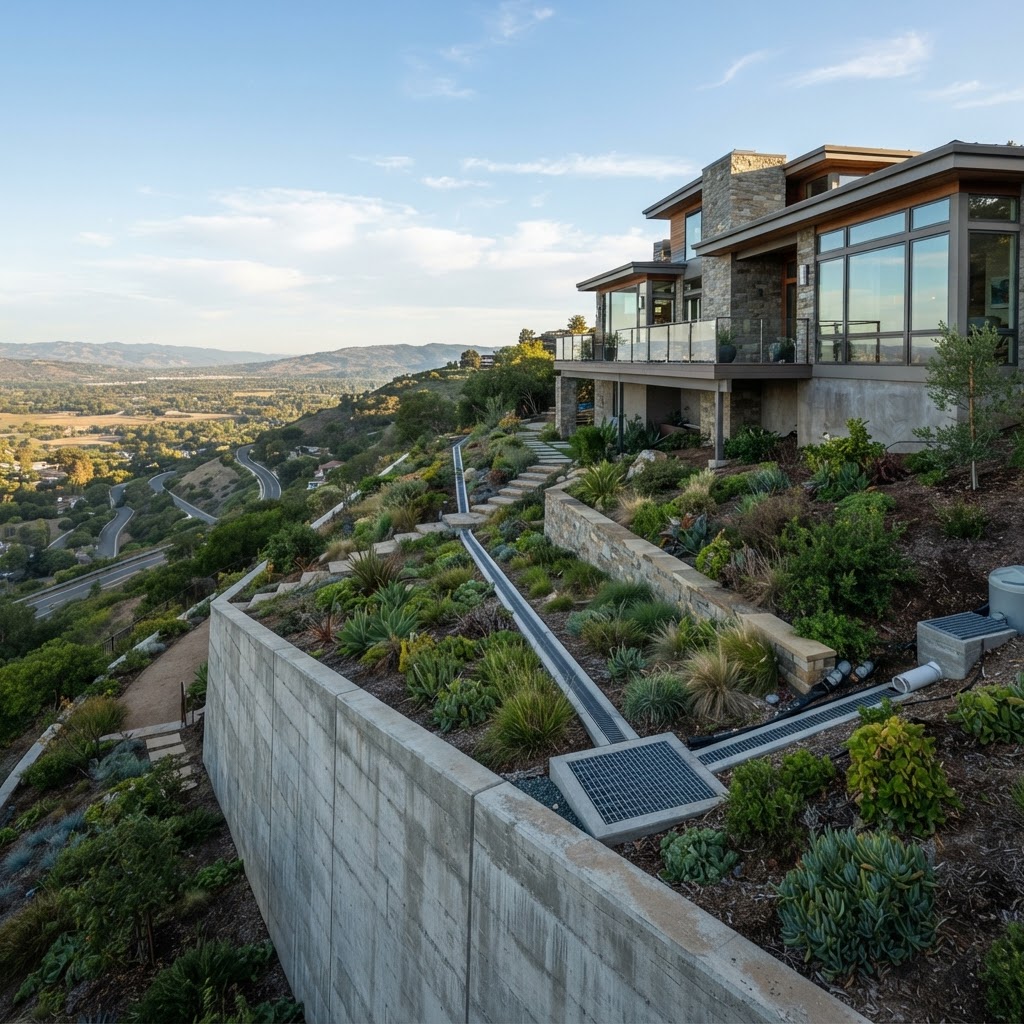
- Hydrological Zoning: Map your property’s micro-topography. Ensure that hardscaping directs water at least 10 feet away from the foundation and does not discharge toward unstable slopes.
- Retaining Wall Integrity: Walls built before the 2014 building code updates may lack modern drainage (weep holes) or tie-back reinforcements. A structural check can prevent a five-figure failure.
- Subsurface Drainage: In high-clay regions like the East Bay or Southern California’s coastal canyons, French drains and sump pump redundancies (with battery backups) are no longer optional upgrades—they are equity preservation tools.
Practical Takeaways for the 2026 Market
For buyers and sellers, hydrological readiness is becoming a line-item in the valuation process. Use these actionable steps to secure your investment:
- Leverage MyHazards: Utilize the California Governor’s Office of Emergency Services (Cal OES) MyHazards tool to identify specific liquefaction and landslide zones that may not appear on standard FEMA flood maps.
- The 48-Hour Pre-Storm Protocol: Clear all area drains, check roof valleys for debris, and test automated pump systems 48 hours before an anticipated atmospheric river event.
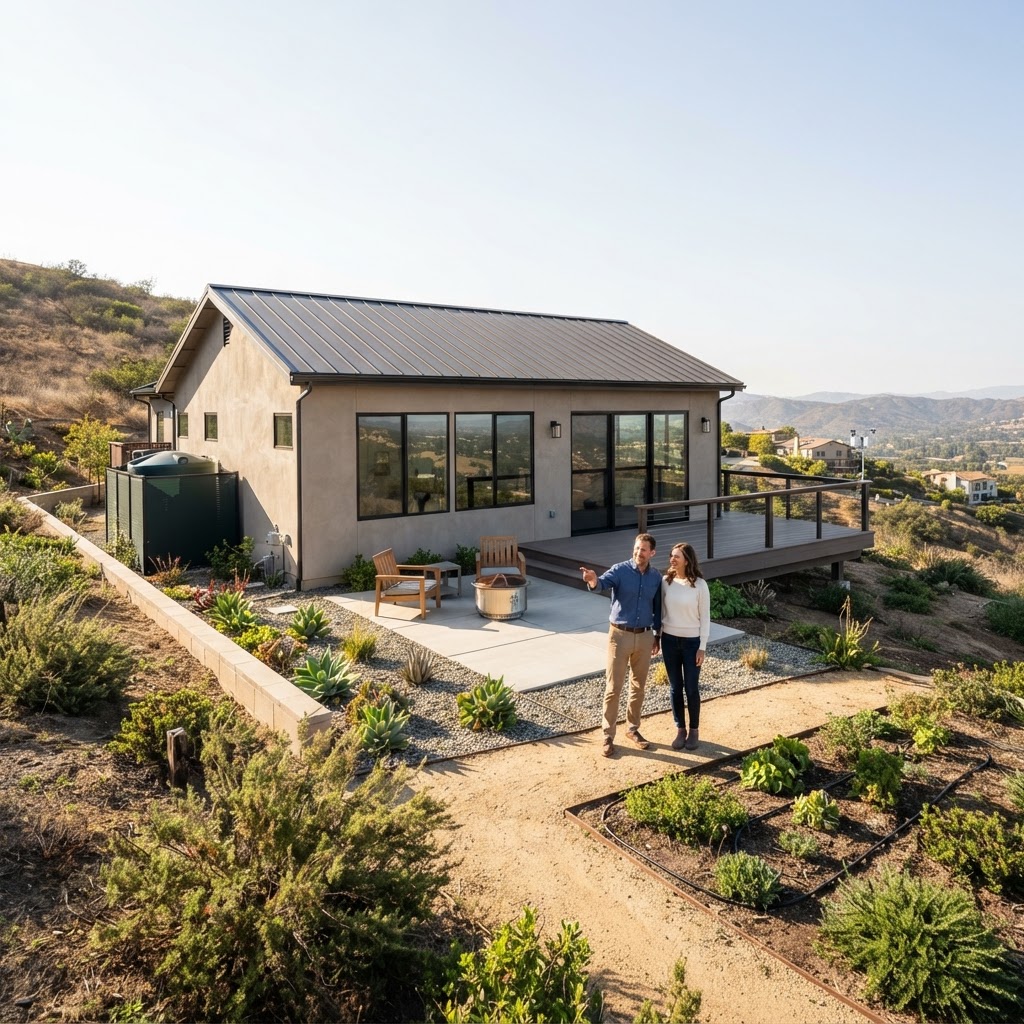
- Vegetation Management: While 'defensible space' usually means removing brush for fire, for hydrological risk, it means maintaining deep-rooted, drought-tolerant native plants that bind the topsoil and prevent surface erosion.
Conclusion: Integrated Risk Management
The California homeowner of 2026 must be a polymath of risk, balancing the dryness of the fire season with the saturation of the winter. By closing the insurance gap and addressing the physical realities of water transit across their land, owners can protect both their physical safety and their long-term property value in an increasingly volatile climate.