The 2026 Heat Paradigm: Beyond the Thermostat
As we enter the peak of the 2026 summer season, California homeowners are facing a shift in the disaster preparedness landscape. While wildfire and seismic risks remain the primary drivers of insurance premiums, extreme heat events (EHEs) have emerged as the most consistent threat to residential asset integrity and operational liquidity. For the modern homeowner, resilience is no longer just about surviving a fire—it is about maintaining a habitable, marketable structure in a state where 110°F+ degree spans are becoming the seasonal norm.
The Mechanical Liability: HVAC Obsolescence
Recent data from the California Energy Commission (CEC) indicates that over 65% of existing residential HVAC systems in the Central Valley and Inland Empire are under-specced for the current climatic reality. Systems installed as recently as 2015 were designed for peak loads that are now exceeded multiple times per month. This isn't just a comfort issue; it is a financial one. A failed climate control system during a ten-day heat dome can lead to internal structural expansion, warping of high-end finishes, and the rapid degradation of building envelopes.
From a real estate perspective, 'thermal debt' is becoming a factor in escrow. Buyers in 2026 are increasingly requesting Thermal Resilience Inspections. According to recent MLS trends, homes with 'Climate-Ready' designations—including heat pump technology and high-performance attic insulation—are seeing a 4.2% price premium over homes relying on aging, traditional central air units.
The Insurance Connection: Heat and the 'Safer from Wildfires' Framework
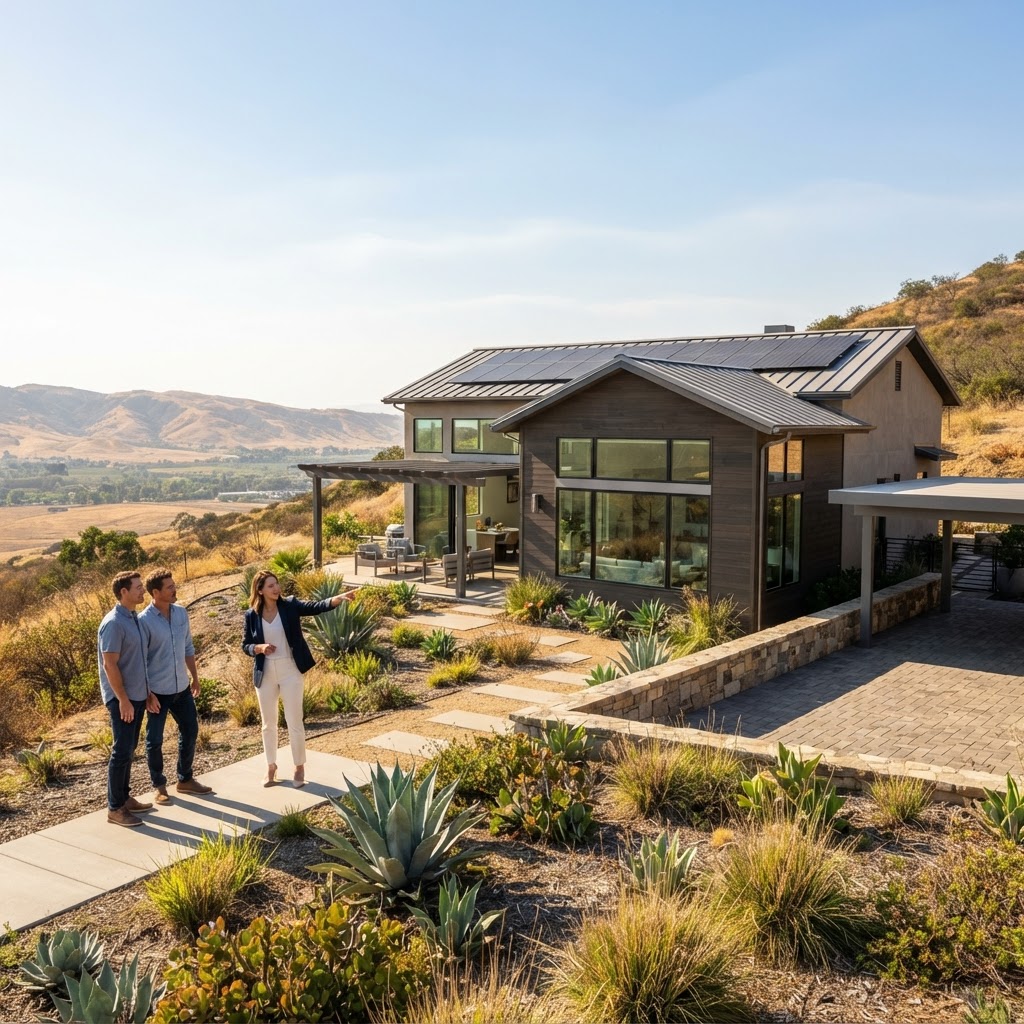
The California Department of Insurance (CDI) has recently signaled that heat-mitigation strategies may soon be integrated into the 'Safer from Wildfires' discount framework. The logic is sound: extreme heat desiccates vegetation and structural timber, drastically increasing the ignition potential of a property. Homeowners who invest in 'Cool Roof' technologies (CRRC-rated) and exterior automated shading are not only reducing their daily cooling costs by an average of 22%, but they are also hardening the home against the ambient heat that facilitates ember ignition.
Practical Takeaways for Property Resilience
- Audit the Envelope: Prioritize R-49 to R-60 attic insulation. In the current market, this is one of the highest ROI retrofits, significantly reducing the load on mechanical systems and extending their lifespan.
- Window Optimization: For homes with western exposures, the installation of Low-E, triple-pane windows is no longer a luxury. Data suggests these installs can reduce internal radiant heat by up to 70% during peak solar hours.
- Phase-In Heat Pump Technology: As California pushes toward electrification, transitioning to high-efficiency heat pumps offers superior performance in extreme heat compared to traditional AC units, while often qualifying for significant state tax credits under the 2026 Resilience Bond.
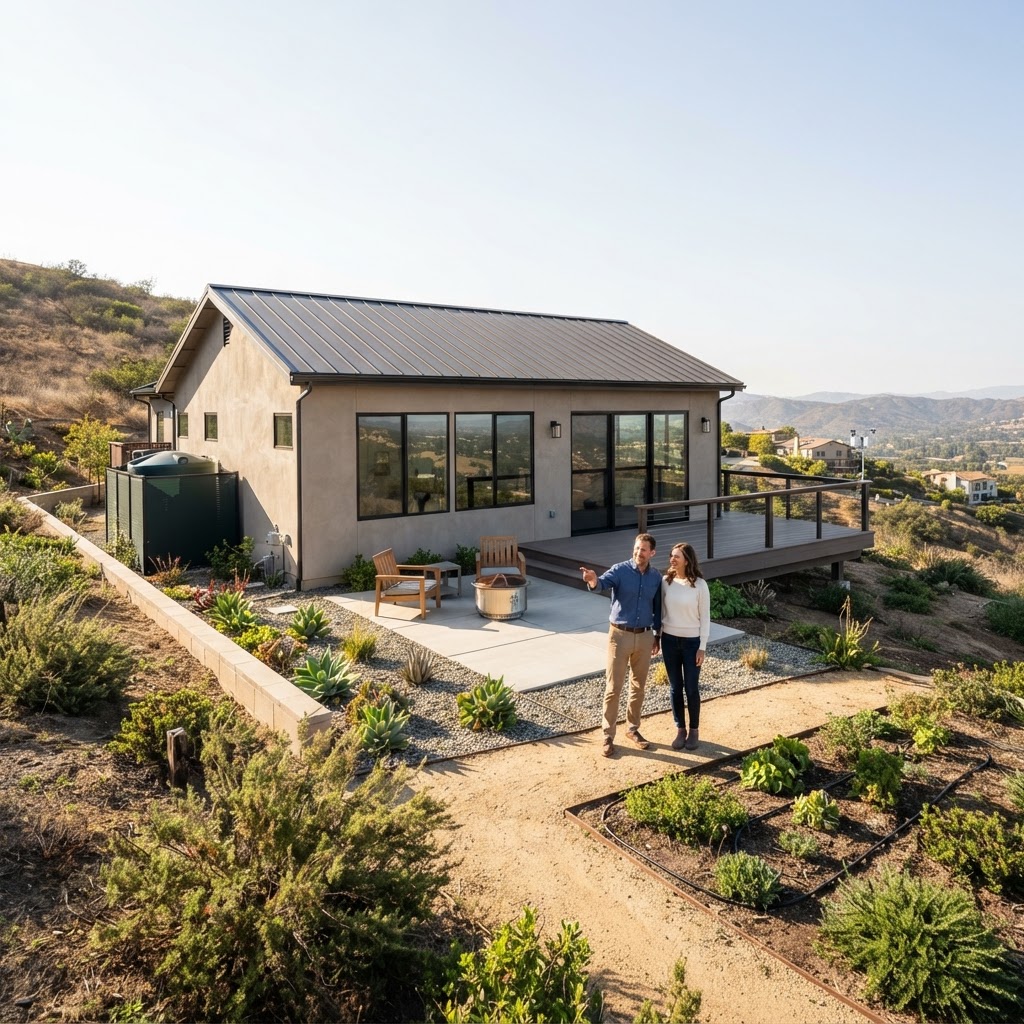
- Landscaping as Infrastructure: Strategic placement of deciduous trees on the southern and western elevations can reduce local surface temperatures by up to 10 degrees. This 'green shielding' is increasingly recognized by appraisers as a functional site improvement.
The Valuation Shift
As we move further into 2026, the definition of a 'luxury' or 'turn-key' home in California has evolved. It is no longer defined by aesthetic finishes alone, but by its ability to remain a sanctuary of stability during grid-stressed heat events. Homeowners who proactively address the thermal frontier are not just preparing for a disaster; they are securing the long-term equity of their most significant investment.