Beyond the Premium: Insurance as a Strategic Asset
In the California real estate market of 2026, the primary hurdle to closing a sale is no longer just the interest rate—it is the insurability of the asset. As major carriers have restricted new policies across the state, homeowners are facing a new reality: insurance is no longer a passive utility, but a negotiated asset that requires proactive management. According to recent data from the California Department of Insurance (CDI), properties that strictly adhere to the 'Safer from Wildfires' framework are not only seeing premium reductions of 5% to 15%, but are also experiencing 20% faster closing times in high-risk zones compared to unmitigated peers.
The Regulatory Lever: Leveraging Mandatory Discounts
The regulatory landscape shifted significantly following the implementation of CDI’s transparency mandates, which require insurance companies to provide specific discount structures for wildfire mitigation. For a homeowner, this means that 'hardening' a home is no longer just about safety—it is about financial arbitrage. To capture these credits, owners must focus on the 'Home Core' and 'Defensible Space' standards. Data from the National Association of Realtors (NAR) suggests that 72% of California buyers now list 'insurance availability and cost' as a top-three concern, making a certified mitigated home a premium product in the current inventory-starved market.
The Hardening Checklist
- Class A Fire-Rated Roofing: Replacing older wood shakes with asphalt shingles or metal roofing is the single most effective way to lower risk profiles in the eyes of underwriters.
- Ember-Resistant Venting: Standard mesh screens are often insufficient; 1/8-inch or smaller non-combustible mesh is the current benchmark for preventing interior ignition during a wind-driven event.
- The Five-Foot 'Non-Combustible' Zone: The area immediately surrounding the home must be cleared of mulch, woody debris, and overhanging branches to prevent direct flame contact.
Addressing the 'Secondary' Peril: Pluvial Flood Risk
While wildfire dominates the headlines, the 2024-2025 winter seasons highlighted the rising threat of atmospheric rivers and pluvial (surface water) flooding. Traditional FEMA flood maps often lag behind current climate realities. Homeowners should utilize tools like the First Street Foundation’s Risk Factor to assess localized drainage risks. Because standard homeowners' policies exclude flood damage, securing a separate private flood policy or an NFIP (National Flood Insurance Program) policy is becoming a prerequisite for institutional lenders in low-lying California basins, even outside of designated Special Flood Hazard Areas (SFHAs).
Practical Takeaways for Homeowners and Investors
1. Conduct a Pre-Appraisal Mitigation Audit
Before listing or renewing a policy, hire a professional to conduct a Wildfire Preparedness Review. Documenting these upgrades with date-stamped photos and contractor invoices is essential for the 'Data Dividend'—providing the evidence required by insurers to move a property out of the 'surplus lines' or FAIR Plan category and back into the voluntary market.
2. Diversify Resilience Investments
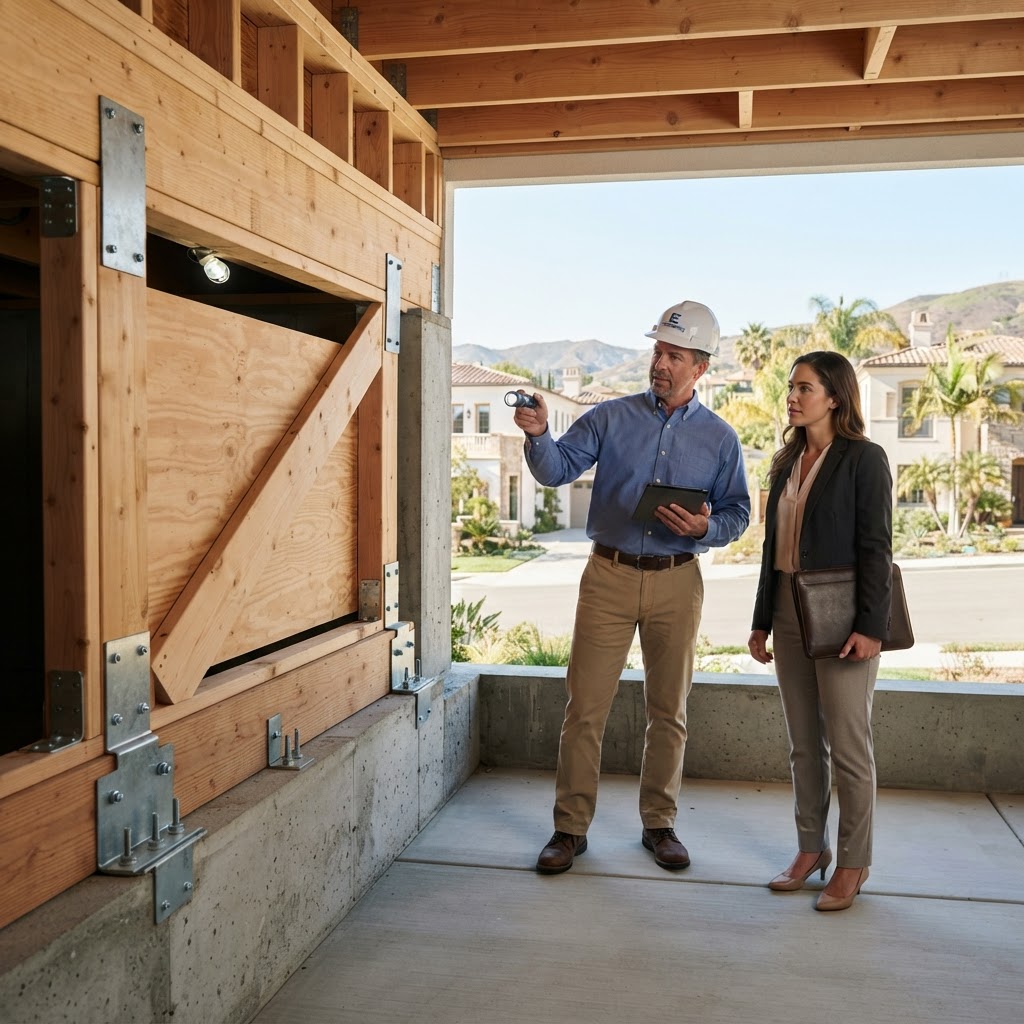
Move beyond aesthetic renovations. In 2026, a $15,000 investment in seismic retrofitting (for older builds) or ember-resistant landscaping often yields a higher net-effective return by stabilizing long-term carrying costs and ensuring the property remains financeable for the next buyer.
3. The 'Insurance Binder' Strategy
Maintain a digital 'Resilience Binder' containing the property’s defensible space certificate, recent roof inspections, and a log of brush clearance. Presenting this to a prospective buyer’s lender early in the escrow process can prevent the 'insurance wall' that currently stalls roughly 15% of transactions in the Sierra Foothills and Santa Cruz Mountains.
The Path Forward: Resilience as Marketability
California’s disaster landscape requires a shift from reactive repair to proactive mitigation. By mastering the insurance credit framework and addressing the full spectrum of climate risks—from embers to atmospheric rivers—homeowners can protect their equity and ensure their property remains a liquid asset in an increasingly complex environment.