The Myth of the Fortress Home
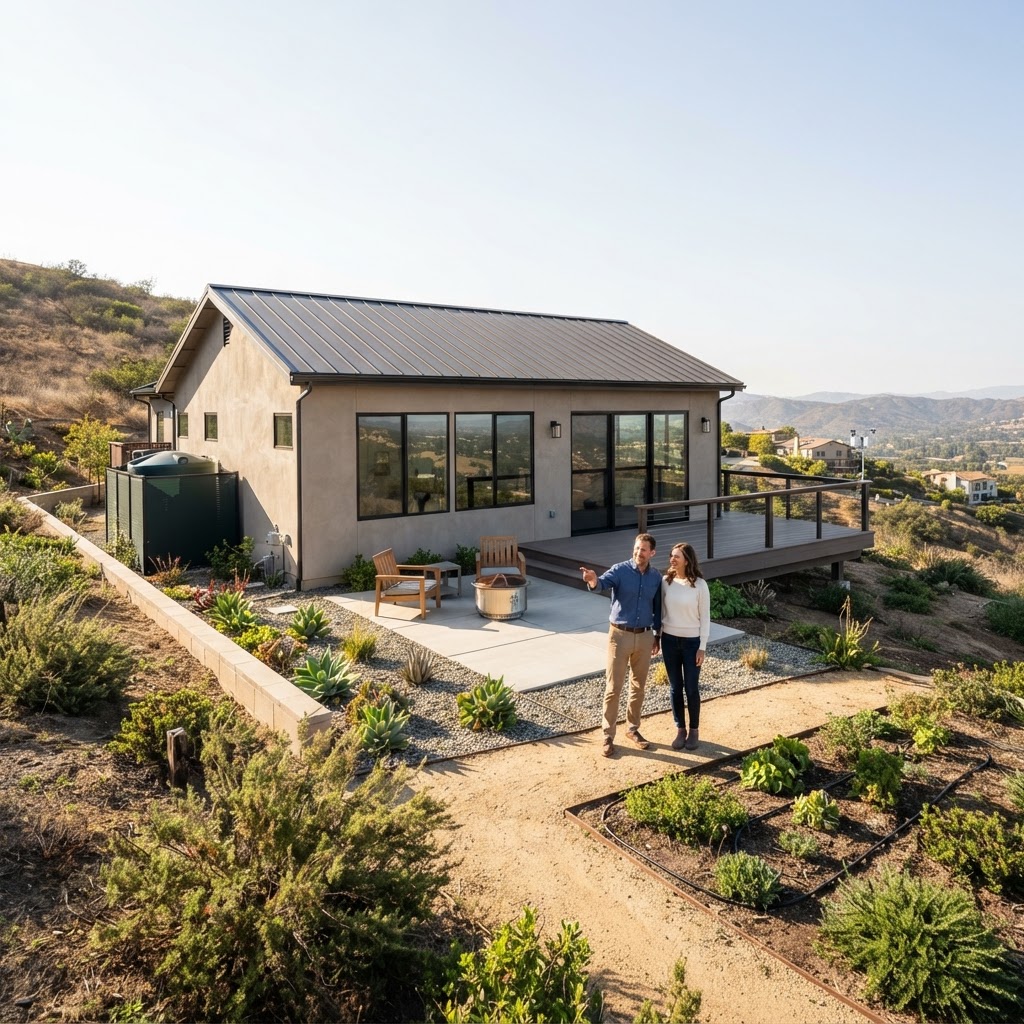
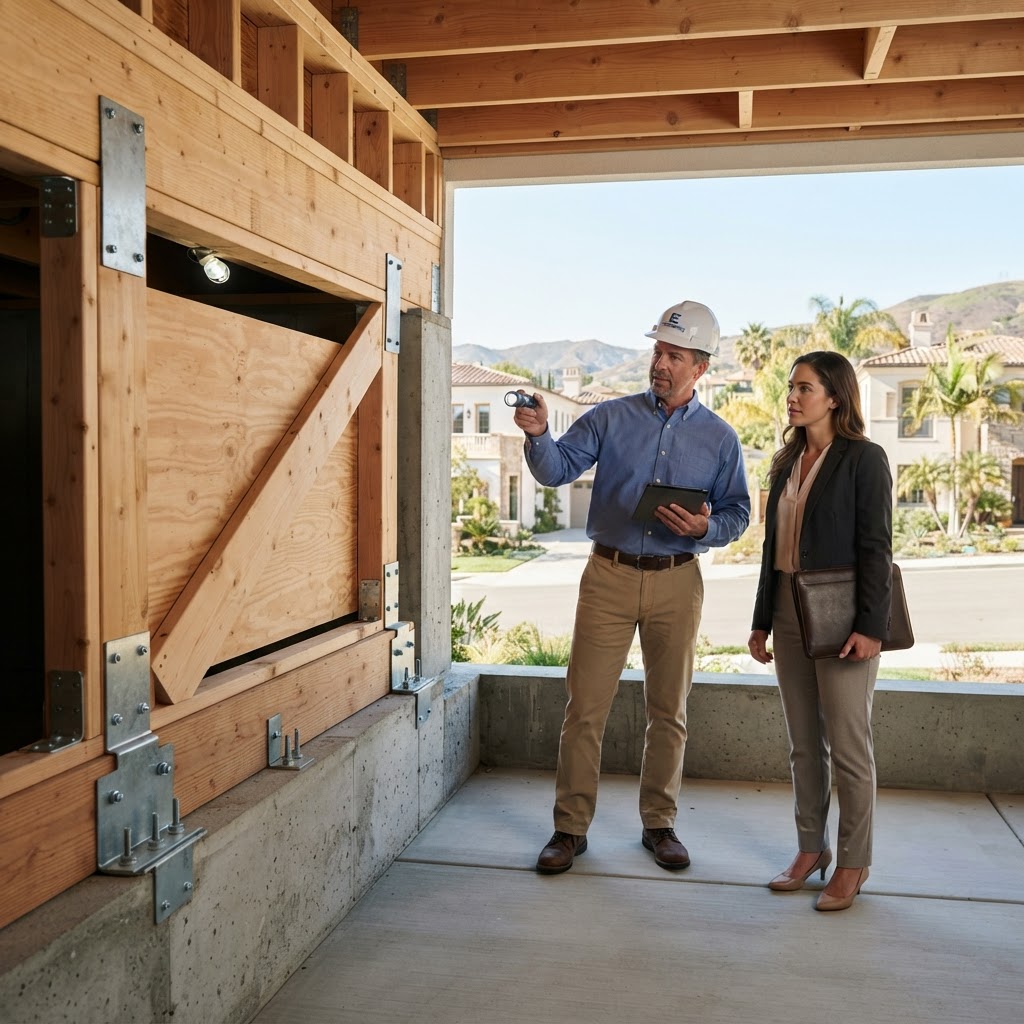
For decades, California homeowners have approached disaster preparedness as a solitary endeavor. We harden our roofs, clear our defensible space, and install seismic shut-off valves. However, as the 2024 and 2025 wildfire seasons demonstrated, individual efforts are frequently undermined by the 'weakest link' in the immediate vicinity. According to data from the National Fire Protection Association (NFPA), nearly 80% of homes lost in Wildland-Urban Interface (WUI) fires are ignited by embers that can travel over a mile, often hopping from one poorly maintained property to the next in a catastrophic chain reaction.
The reality is that in California’s densely packed canyons and coastal hills, your neighbor’s risk profile is effectively your own. This 'Perimeter Paradox' means that even a fully retrofitted, LEED-certified home remains at high risk if the surrounding properties have not adopted similar standards. For homeowners and investors, the next frontier of resilience isn't just about what happens within the property line, but how effectively the entire neighborhood can be fortified as a single unit.
The Economic Case for Collective Mitigation
Beyond physical safety, there is a mounting financial imperative for neighborhood-level action. As the California Department of Insurance continues to navigate the 'Residual Reality' of a restricted private market, the California FAIR Plan has become the insurer of last resort for over 350,000 policyholders. However, the path back to voluntary market coverage increasingly relies on community-wide designations.
Data from the Insurance Institute for Business & Home Safety (IBHS) suggests that properties located within 'Firewise USA' recognized sites or those participating in the 'Wildfire Prepared Home' program at a neighborhood scale are seeing improved eligibility for various mitigation discounts. In some jurisdictions, collective brush clearing and shared fuel breaks have led to a measurable stabilization in localized property values, as buyers perceive lower friction in securing traditional financing and insurance binders.
Strategic Shifts for California Homeowners
To navigate this shift, homeowners must pivot from individual maintenance to community-scale advocacy. This involves three critical pillars of action:
- The Bulk-Mitigation Model: Homeowners Associations (HOAs) and informal neighborhood groups are increasingly leveraging collective bargaining power. By hiring a single contractor to perform defensible space clearing or ember-resistant venting upgrades across 20-30 homes simultaneously, owners can reduce costs by an estimated 15-25% compared to individual contracts.
- Integrated Emergency Resource Mapping: Resilience is now being defined by shared infrastructure. This includes neighborhood-funded cisterns, shared high-capacity pumps for pool-water fire suppression, and private mesh networks that remain operational when cellular towers fail—a common occurrence during California’s Public Safety Power Shutoffs (PSPS).
- The Regulatory Push for Community Grading: Forward-thinking owners are working with local fire marshals to update community wildfire protection plans (CWPPs). A modern CWPP can serve as a powerful tool during the escrow process, providing prospective buyers and lenders with a verified roadmap of the area’s mitigation efforts.
Practical Takeaways for the Prepared Investor
For those looking to buy or hold assets in high-risk California zones, the due diligence process must expand. It is no longer enough to look at the 'hardened' status of the subject property alone. Investors should evaluate the 'Community Buffer Zone'—the 100-foot radius around the home, regardless of property lines. If neighboring lots are overgrown or structures are dilapidated, the investment carries a hidden 'contagion risk' that no amount of personal retrofitting can fully offset. Success in the current market requires engaging with local Fire Safe Councils and ensuring that your investment is part of a larger, resilient ecosystem.