The Shift from Policy to Physicality
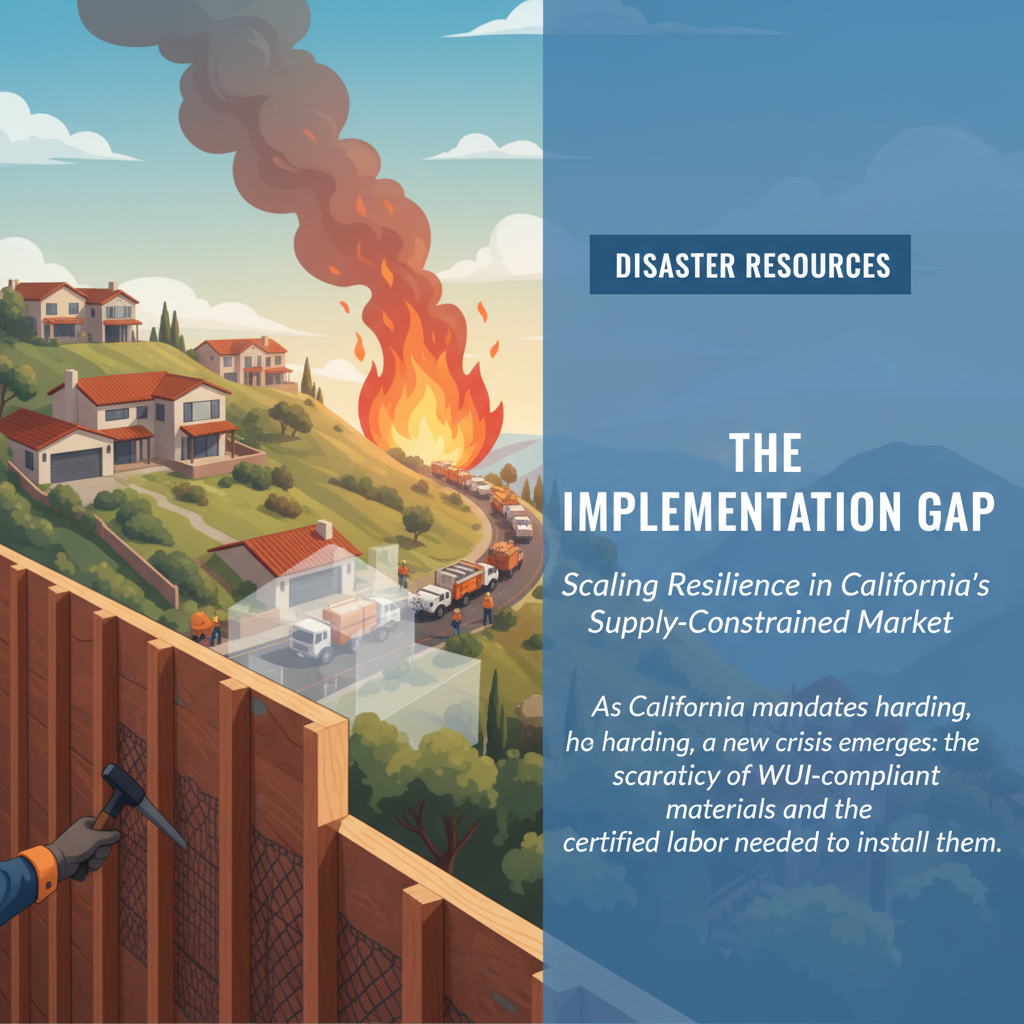
As of June 2026, the conversation surrounding California real estate has pivoted from 'if' a home should be hardened against disaster to 'when' the necessary materials will arrive. While previous years focused on the administrative hurdles of insurance and the financial logic of retrofitting, the current bottleneck is physical. With the California Department of Forestry and Fire Protection (CAL FIRE) now enforcing stricter compliance for Wildland-Urban Interface (WUI) zones under evolved Assembly Bill 38 standards, homeowners are discovering that the path to resilience is blocked by a global supply chain and a local labor deficit.
The Material Scarcity Index
Data from the 2026 Construction Cost Index indicates a 22% year-over-year increase in the price of ember-resistant venting and multi-pane tempered glass. However, price is secondary to availability. Lead times for Class A fire-rated roofing materials and non-combustible siding have stretched to an average of 18 weeks, according to recent supply chain analytics from CBRE. For homeowners facing non-renewal notices from the FAIR Plan or seeking to close a sale, these delays are more than an inconvenience—they are deal-breakers. In the current market, a 'hardened' home is no longer just a safety preference; it is a liquid asset, whereas an unhardened home in a high-risk zone faces a significant 'resilience discount' in valuation.
The Certification Crunch: A Labor Shortage
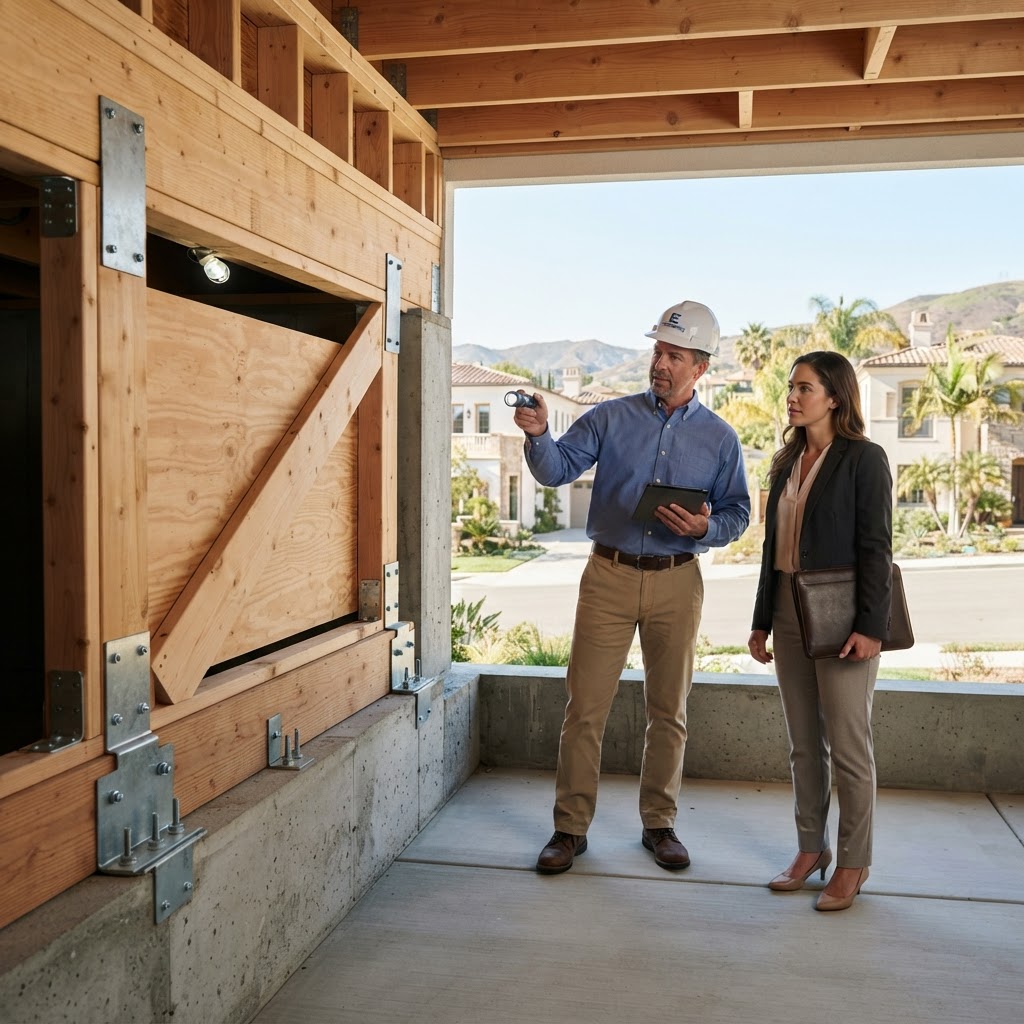
The technical requirements for disaster-resilient construction have outpaced the growth of the certified workforce. Seismic retrofitting and WUI-compliant landscaping require specific certifications that only 14% of California’s general contractors currently hold, based on data from the Contractors State License Board (CSLB). This scarcity has created a 'resilience premium' in labor costs, often adding 15-30% to the total cost of a project compared to standard renovations. For buyers, this means that 'fixer-uppers' in high-risk zones now carry a hidden liability: the extreme difficulty of finding qualified professionals to bring the structure up to insurable standards.
Strategic Takeaways for Homeowners and Investors
- Pre-emptive Procurement: Do not wait for an insurance audit or a listing date to order WUI-compliant materials. Investors are increasingly warehousing common components like ember-resistant vents and specialized sealants to avoid project stalls.
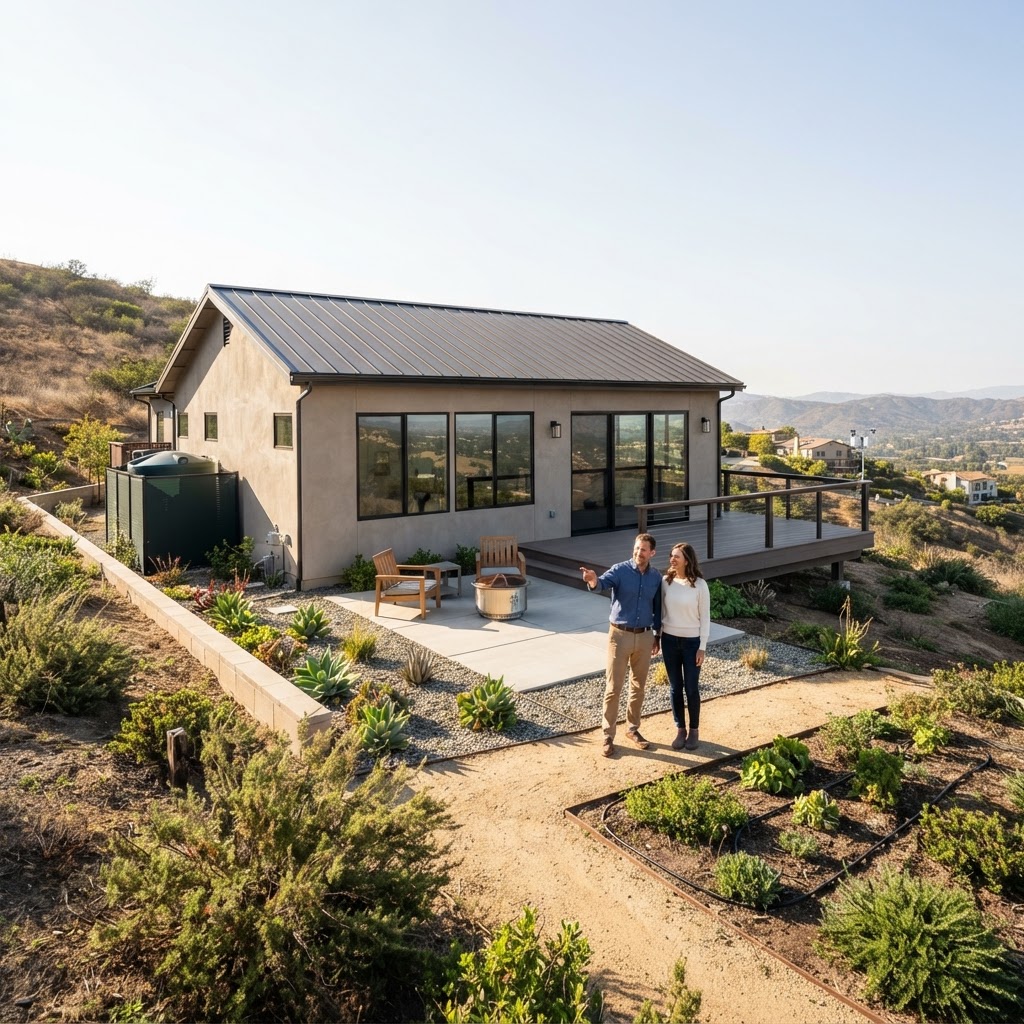
- The 70-30 Resilience Audit: Prioritize the 'Home Ignition Zone 0' (the first five feet around the structure). Data shows that 70% of the protection comes from the first 30% of the cost—specifically focused on clearing debris and installing non-combustible perimeters.
- Labor-Pooling: Neighborhoods are increasingly forming 'resilience cooperatives' to hire specialized contractors for multiple homes simultaneously, reducing mobilization costs and securing priority on a contractor’s schedule.
- Verification of Compliance: Ensure all work is documented with a 'Certificate of Compliance' from a CAL FIRE-approved inspector. In the 2026 market, verbal assurances of 'fire-safe' features are insufficient for underwriters who now require digital proof of materials used.
The New Standard of Due Diligence
In California’s current climate, disaster preparedness has moved beyond emergency kits and evacuation routes. It has become a matter of logistical foresight. As we enter the peak of the 2026 fire season, the divide between the insurable and the uninsurable will be defined by those who secured their supply chains before the sparks flew. For the California homeowner, resilience is no longer a weekend project—it is a sophisticated logistical operation.