The Era of the State-Backed Baseline
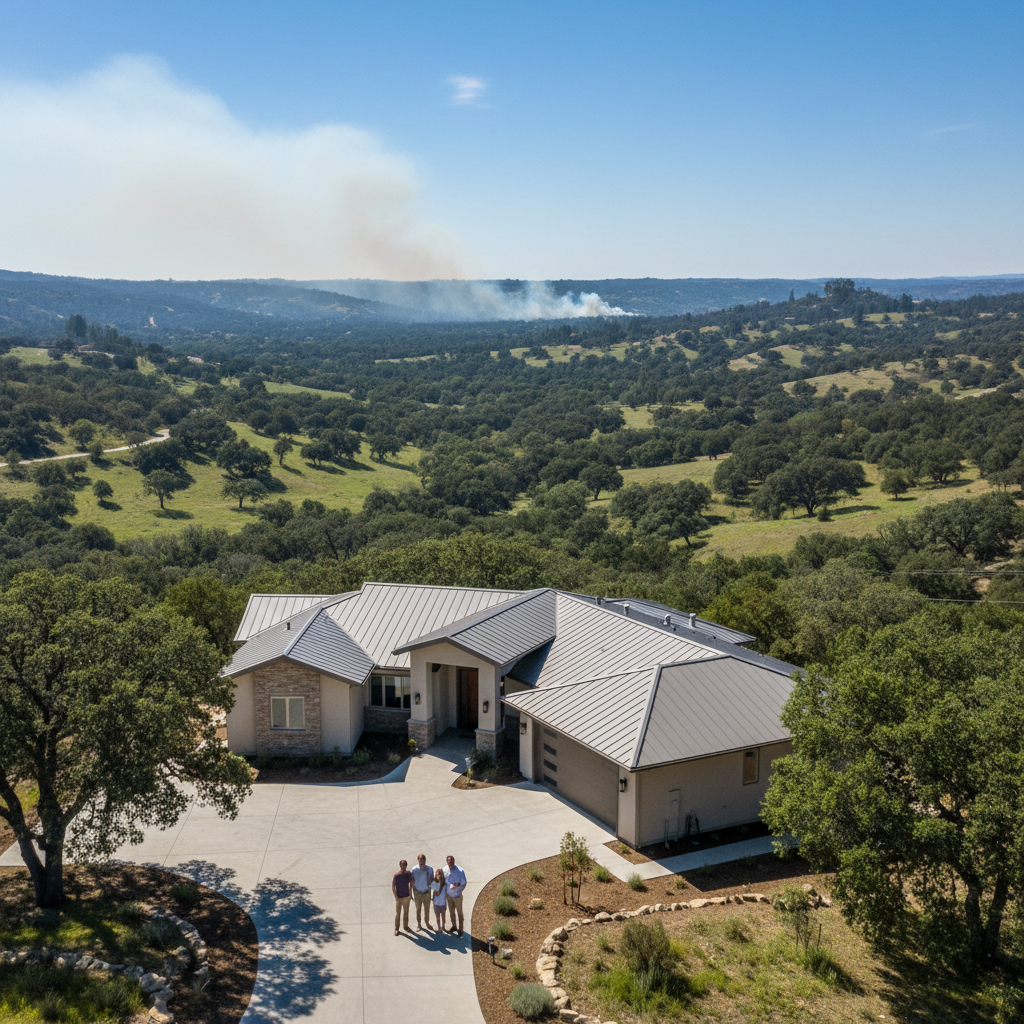
For decades, California homeowners viewed the California FAIR Plan as a temporary safety net of last resort. However, as of June 2026, data from the California Department of Insurance (CDI) suggests a fundamental shift: the residual market has become a structural pillar of the state’s real estate ecosystem. With non-renewals in high-risk interfaces increasing by 32% since 2023, the ability to navigate state-backed coverage and emerging private gap products is no longer an emergency measure—it is a core competency for any viable property owner or investor.
Decoding the Insurance Bifurcation
The current market has split into a two-tiered system. Primary coverage for fire and smoke is increasingly handled by the FAIR Plan, while liability, theft, and water damage are offloaded to 'Difference in Conditions' (DIC) policies. According to recent industry analysis, this 'wraparound' approach now accounts for nearly 18% of all residential policies in the Wildland-Urban Interface (WUI).
Investors and homeowners must recognize that the FAIR Plan carries strict limits—currently capped at $3 million for residential properties. For luxury assets or high-density multi-family units, this creates a 'protection gap' that requires a sophisticated layering of excess coverage. Data from the National Association of Realtors (NAR) indicates that properties with a clear, documented multi-layer insurance strategy close 12% faster than those relying on standard, increasingly scarce comprehensive policies.
Parametric Insurance: The New Resilience Tool
One of the most significant evolutions in California disaster preparedness is the rise of parametric insurance. Unlike traditional indemnity insurance, which requires a lengthy claims process and physical damage assessment, parametric policies trigger immediate payouts based on specific data points, such as a localized earthquake magnitude or a fire’s proximity to a GPS coordinate.
For the California homeowner, these policies provide immediate liquidity during the 'grey period'—the weeks following a disaster when traditional claims are stalled. By integrating parametric products with existing FAIR Plan coverage, owners can ensure they have the cash flow necessary to secure a property immediately after an event, preventing the secondary degradation that often follows wildfire or seismic activity.
Strategic Resource Integration
Beyond financial instruments, operational resilience depends on active engagement with state-level digital resources. The California Office of Emergency Services (CalOES) has expanded its MyHazards platform to integrate real-time atmospheric river tracking and seismic early warning systems.
- Proactive Compliance: Homeowners should conduct an annual 'Mitigation Audit' against the latest Cal Fire 'Defensible Space' requirements (Public Resources Code 4291). Non-compliance is now a leading trigger for FAIR Plan premium hikes.
- Digital Documentation: Maintain a cloud-based, blockchain-verified inventory of assets. In 2026, adjusters are increasingly prioritizing 'Verified Claim Packages' over manual appraisals to expedite payouts.
- Community Resource Access: Familiarize yourself with the nearest Community Emergency Response Team (CERT) hub. In 2025, several municipalities began offering property tax credits for owners who complete certified disaster response training.
Practical Takeaways for the 2026 Market
Whether you are acquiring a new asset or fortifying a long-term hold, the following steps are essential for maintaining resilience in the current California climate:
- Prioritize DIC Policies Early: If you are in escrow, do not wait for a non-renewal to shop for 'Difference in Conditions' coverage. These policies are the hardest to secure and are essential for total risk mitigation.
- Audit the 'Public Safety Power Shutoff' (PSPS) History: Before purchasing or investing in retrofits, check the three-year history of local grid de-energization. This data, available through CPUC filings, dictates the necessary scale of your backup energy systems.
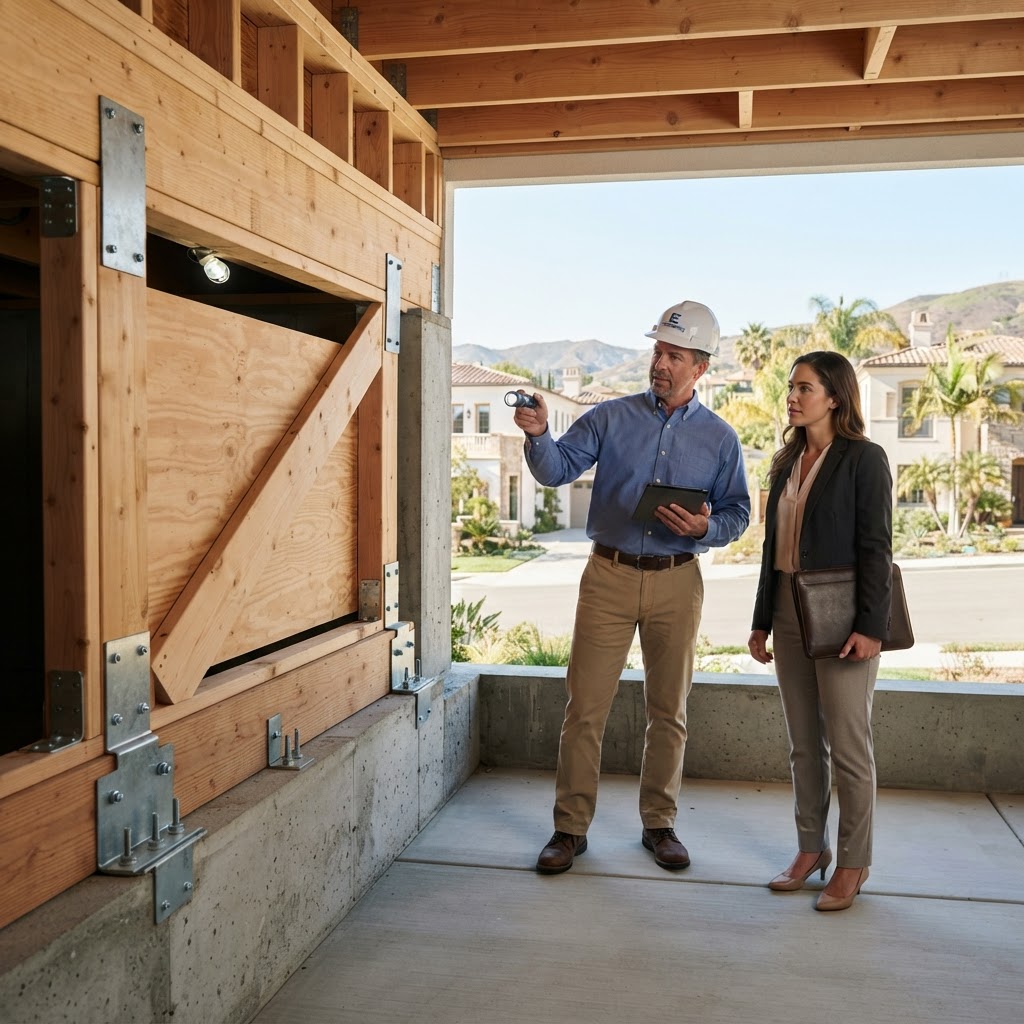
- Leverage the FAIR Plan’s Safer from Wildfires Credits: Ensure your property is formally evaluated for the CDI’s mandated premium discounts. This requires specific upgrades like multi-pane windows and ember-resistant venting that must be verified by a licensed professional.
Resilience in California is no longer just about the physical durability of a structure; it is about the administrative agility of the owner. By embracing the residual market and layering it with modern parametric tools, homeowners can secure their investments against a volatile environmental future.