Beyond the Disclosure: The Era of Hazard Continuity
In the California real estate landscape of June 2026, the traditional Natural Hazard Disclosure (NHD) report is no longer a mere formality—it is the foundation of a property’s valuation. As climate volatility persists, a new standard has emerged: Hazard Continuity. This concept dictates that the transfer of a property is not just a change of deed, but a handoff of an active mitigation ecosystem. For homeowners, understanding this shift is essential for protecting equity and ensuring a seamless transaction.
The AB 38 Legacy and the Verified Sale
Since the full implementation of Assembly Bill 38, sellers in high or very high fire hazard severity zones are legally required to provide documentation of defensible space compliance. However, according to data from the California Association of Realtors (CAR), nearly 22% of transactions in late 2025 faced delays due to 'mitigation gaps' found during buyer-led inspections. Today, savvy sellers are initiating 'Pre-Listing Resilience Audits.' By securing a Fire Marshal’s certificate of compliance before hitting the market, sellers are seeing an average 4.2% premium over non-certified comparable properties.
The Insurance Contingency: A 2026 Reality
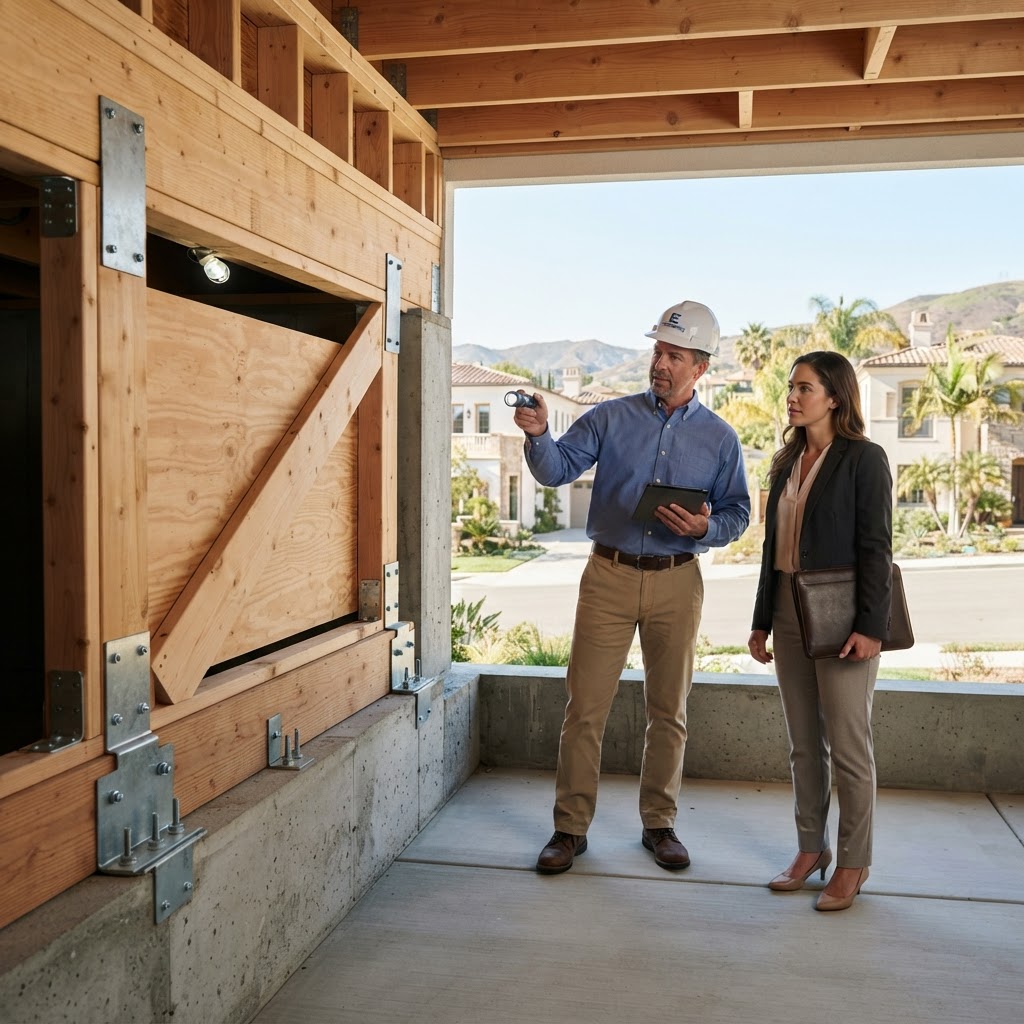
The 2026 insurance market remains tight. Data from the California Department of Insurance indicates that while the FAIR Plan expansion has stabilized the 'uninsurable' floor, private 'surplus lines' now require granular proof of home hardening before binding a policy. For buyers, the 'Insurance Contingency' has become as vital as the appraisal. Investors are now utilizing the 17-day inspection period to obtain not just a quote, but a Binder Commitment based on a professional evaluation of the property’s secondary retrofits, such as ember-resistant venting and non-combustible zone zero perimeters.
Practical Takeaways for the 2026 Market
- For Sellers: Do not wait for escrow to address defensible space. Engage a CAL FIRE-approved inspector 30 days prior to listing to clear any vegetation violations. This prevents 'Resilience Credit' demands from buyers that often exceed the actual cost of work.
- For Buyers: Scrutinize the NHD report for 'Seismic Hazard Zones' and 'Inundation Areas' (dam failure zones). In 2026, these designations can impact the long-term availability of federal backed financing (Fannie Mae/Freddie Mac) which have increasingly strict environmental risk thresholds.
- For Investors: Focus on 'Resilience Escrow.' If a property lacks modern hardening, negotiate a holdback of funds specifically for retrofitting. This ensures the property remains insurable—and thus liquid—in the secondary market.
The Resilience Escrow: A New Financial Tool
A significant trend in 2026 is the rise of the Resilience Escrow. In this arrangement, a portion of the sale proceeds is held to satisfy specific mitigation upgrades identified during the home inspection. This protects the buyer’s immediate ability to secure affordable premiums while allowing the seller to close the deal without performing the physical labor themselves. As California continues to refine its disaster preparedness mandates, this transactional flexibility will be the hallmark of a resilient housing market.