The Shift from Individual Fortification to Collective Security
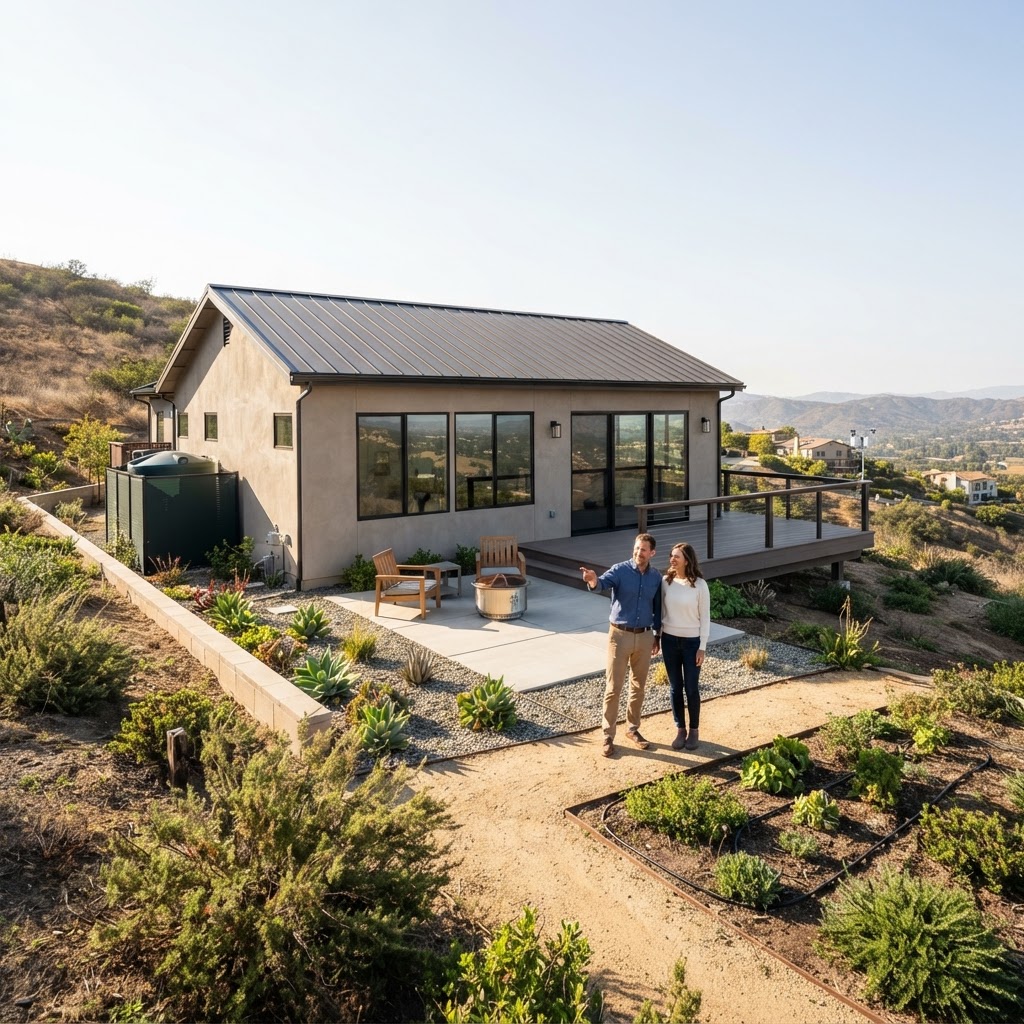
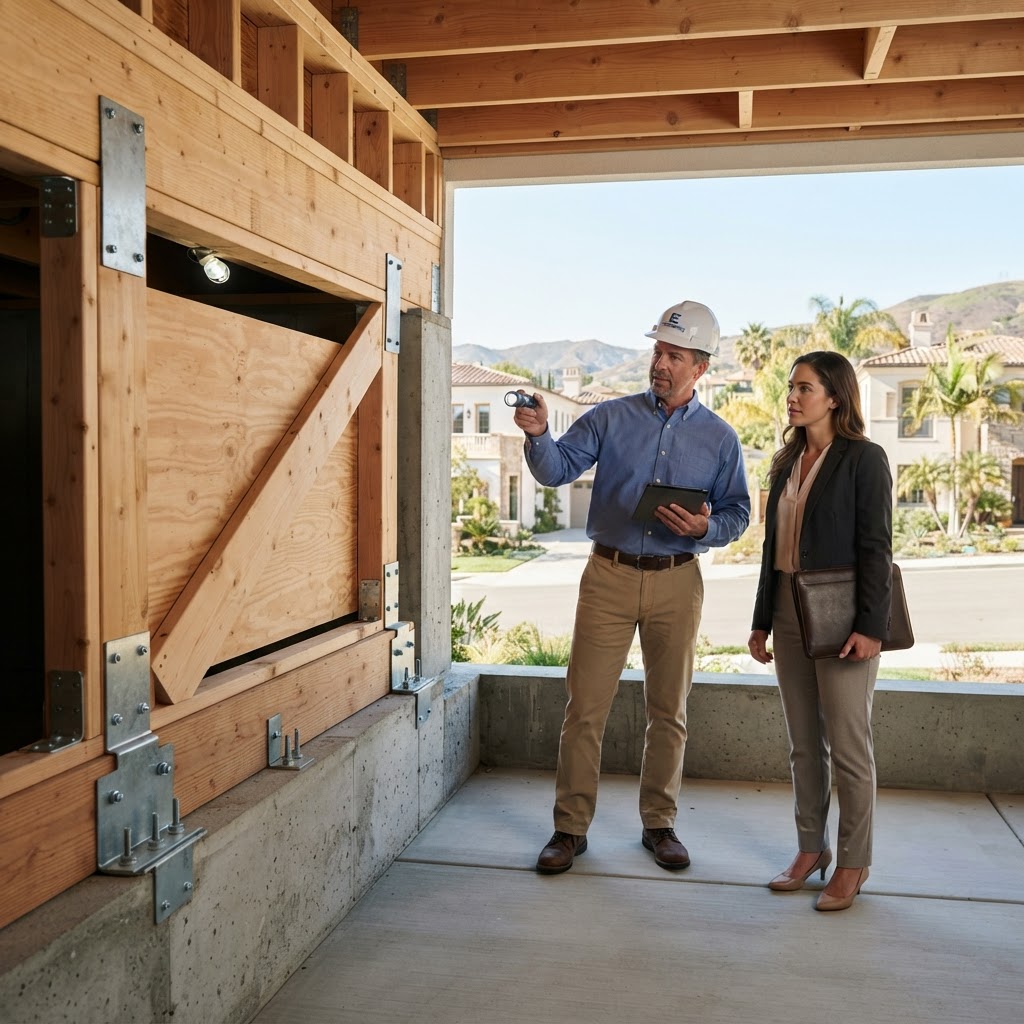
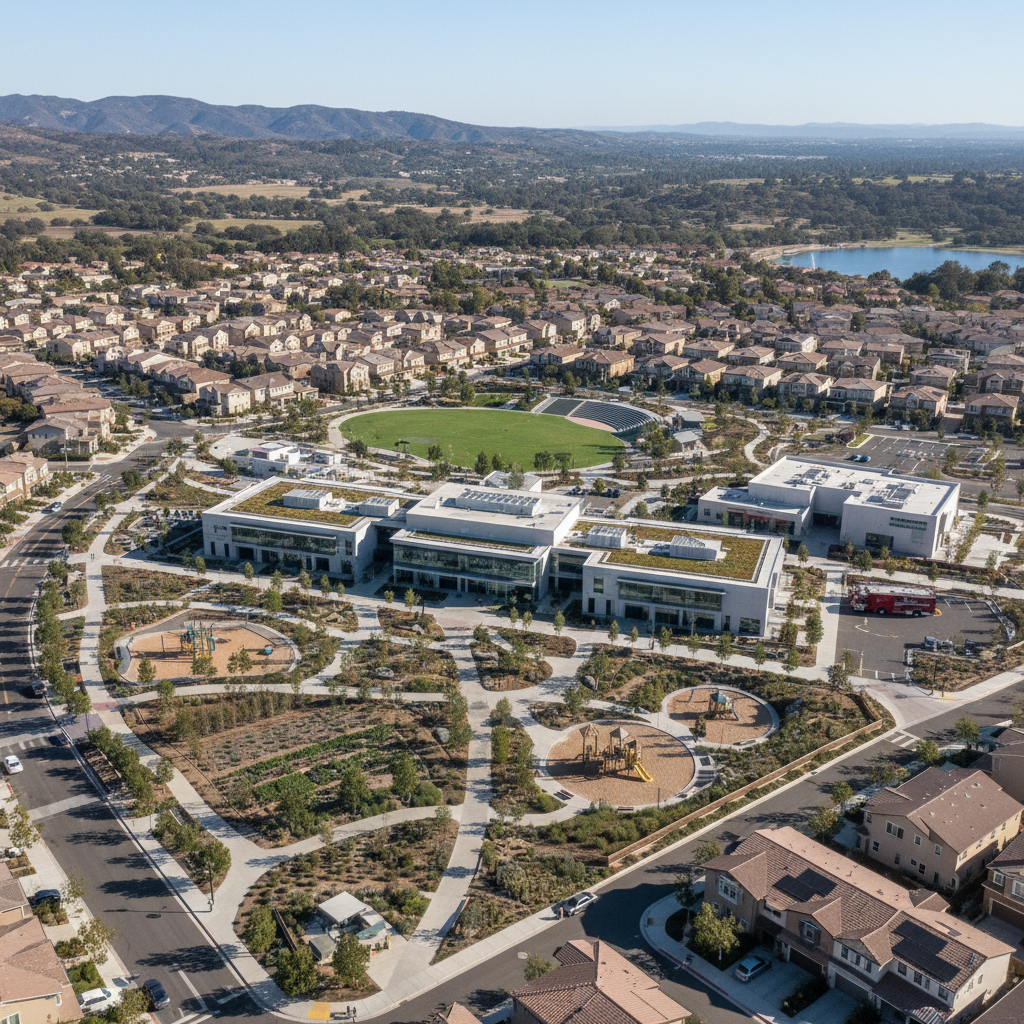
For years, California’s disaster preparedness focused almost exclusively on the individual property. Homeowners cleared brush, installed ember-resistant vents, and stocked 14-day kits. However, as we navigate the mid-point of 2026, a critical realization has transformed the real estate landscape: a hardened home in a vulnerable neighborhood remains a high-risk asset. The emerging trend in California resilience is Social Infrastructure—the formalization of neighborhood networks that act as a secondary layer of defense against wildfires, floods, and seismic events.
The Data Behind Community Cohesion
Recent studies from the Federal Emergency Management Agency (FEMA) and the 2025 California Department of Insurance (CDI) risk reports highlight a stark reality. Neighborhoods with active, organized disaster networks experience 35% faster recovery times and significantly lower rates of property abandonment following major events. Furthermore, data from the National Association of Realtors (NAR) indicates that homes located within 'Firewise USA' recognized communities or those with active Community Emergency Response Teams (CERT) are seeing a 'resilience premium' of 4.5% compared to isolated properties in the same high-risk ZIP codes.
The Neighborhood Resilience Score (NRS)
In 2026, savvy buyers are no longer just looking at a home’s individual mitigation upgrades; they are evaluating the Neighborhood Resilience Score (NRS). This metric assesses the collective preparedness of a block or HOA. Key factors influencing this score include:
- Shared Mitigation Zones: Co-managed fuel breaks that extend beyond individual property lines, preventing the 'leapfrog' effect of wildfires.
- Redundant Communication Arrays: Neighborhood-specific mesh networks and satellite-linked communication hubs that function when cellular towers fail.
- Vulnerability Mapping: Formalized registries of elderly or disabled neighbors who require priority assistance during evacuations, preventing logjams in exit routes.
Insurance Benefits of Social Connectivity
The 2026 insurance market has evolved to recognize collective action. While the 'Underwriting Upgrade' incentives focus on physical home hardening, many private carriers and the California FAIR Plan now offer 'Group Risk Reduction' credits. When a threshold of 60% of homes on a single street meet specific mitigation standards and participate in a verified community response plan, premiums can drop by an additional 10-15%. This shift reflects the actuarial reality that neighbors who work together are more likely to suppress small ignitions before they become catastrophic losses.
Practical Takeaways for Homeowners and Investors
To capitalize on this shift and secure both property value and safety, California homeowners should take the following steps:
- Audit Local Social Infrastructure: Before purchasing, investigate if the neighborhood has an active COAD (Community Organizations Active in Disaster) or a recognized Firewise committee.
- Formalize the 'Block Captain' System: Investors should advocate for HOAs to appoint resilience leads who coordinate annual 'Hardening Days' and maintain updated evacuation checklists.
- Leverage Technology for Unity: Utilize 2026-standard resilience apps that allow for real-time asset sharing (e.g., sharing generator capacity or water bowsers) during localized outages.
- Document Collective Action: Maintain records of neighborhood-wide mitigation efforts to present to insurers during annual policy renewals to argue for lower risk-based pricing.
As California’s climate risks become more complex, the 'lone wolf' approach to disaster preparedness is becoming obsolete. Resilience in 2026 is a team sport, and the most valuable properties will be those integrated into a vigilant, organized, and socially connected community.