The Era of Climate Whiplash
In 2026, the California real estate market has reached a critical inflection point. While the previous decade focused almost exclusively on wildfire mitigation, a series of intense atmospheric river events has shifted the focus toward a secondary, often more destructive threat: the fire-flood cycle. For homeowners, especially those in the wildland-urban interface (WUI), disaster preparedness now requires a dual-track strategy that accounts for both extreme heat and hydrological volatility. The 'whiplash' effect—where extreme drought is followed by record-breaking precipitation—has redefined the risk profile of California's most desirable foothills.
The Science of the Burn Scar
Data from the California Department of Water Resources (DWR) indicates that post-fire landscapes are significantly more susceptible to debris flows. In 2025, USGS studies confirmed that even moderate rainfall on fire-scarred soil can trigger runoff rates up to 300% higher than in healthy forests. This occurs because intense heat creates a hydrophobic (water-repellent) layer in the soil, preventing absorption and turning hillsides into chutes for mud and debris. For investors and homeowners, this means a property's risk profile remains elevated for up to five years after a fire has been extinguished, a factor now being integrated into 2026 property appraisals.
Closing the Coverage Gap: Mudflow vs. Mudslide
A significant risk to homeowner solvency in 2026 is the 'Concurrent Causation' loophole in insurance policies. Standard homeowners policies exclude 'earth movement' (including mudslides), while National Flood Insurance Program (NFIP) policies only cover mudflows if they are specifically caused by a flood as defined by FEMA. According to 2025 research from the National Association of Realtors (NAR), nearly 58% of California homeowners in high-risk zones lack adequate coverage for debris flows. Homeowners must verify if their policy includes a 'Difference in Conditions' (DIC) rider or if they need a standalone private flood policy that explicitly covers mudslides triggered by wildfires.
Practical Takeaways for Property Resilience
To maintain asset value and safety, homeowners should transition from simple defensible space to 'hydrological land management.' Key actions include:
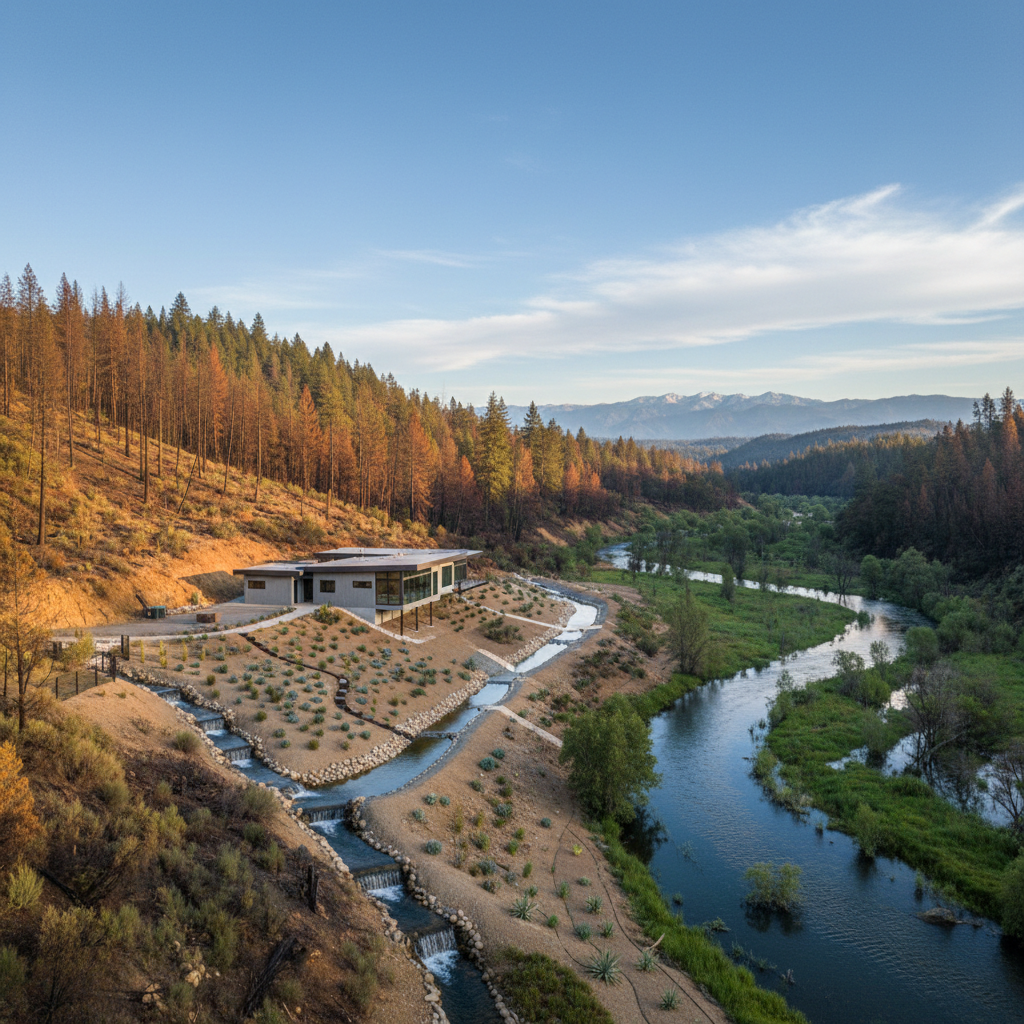
- Soil Stabilization: Utilizing biodegradable geofabrics and native deep-rooted vegetation to anchor topsoil in vulnerable slopes. Avoid heavy irrigation on fire-impacted hillsides which can further destabilize the soil.
- Bioswale Integration: Installing engineered swales to redirect high-volume runoff away from foundations and toward municipal drainage systems. According to CBRE, properties with documented hydrological mitigation features now command a 3.5% 'resilience premium' in the Inland Empire.
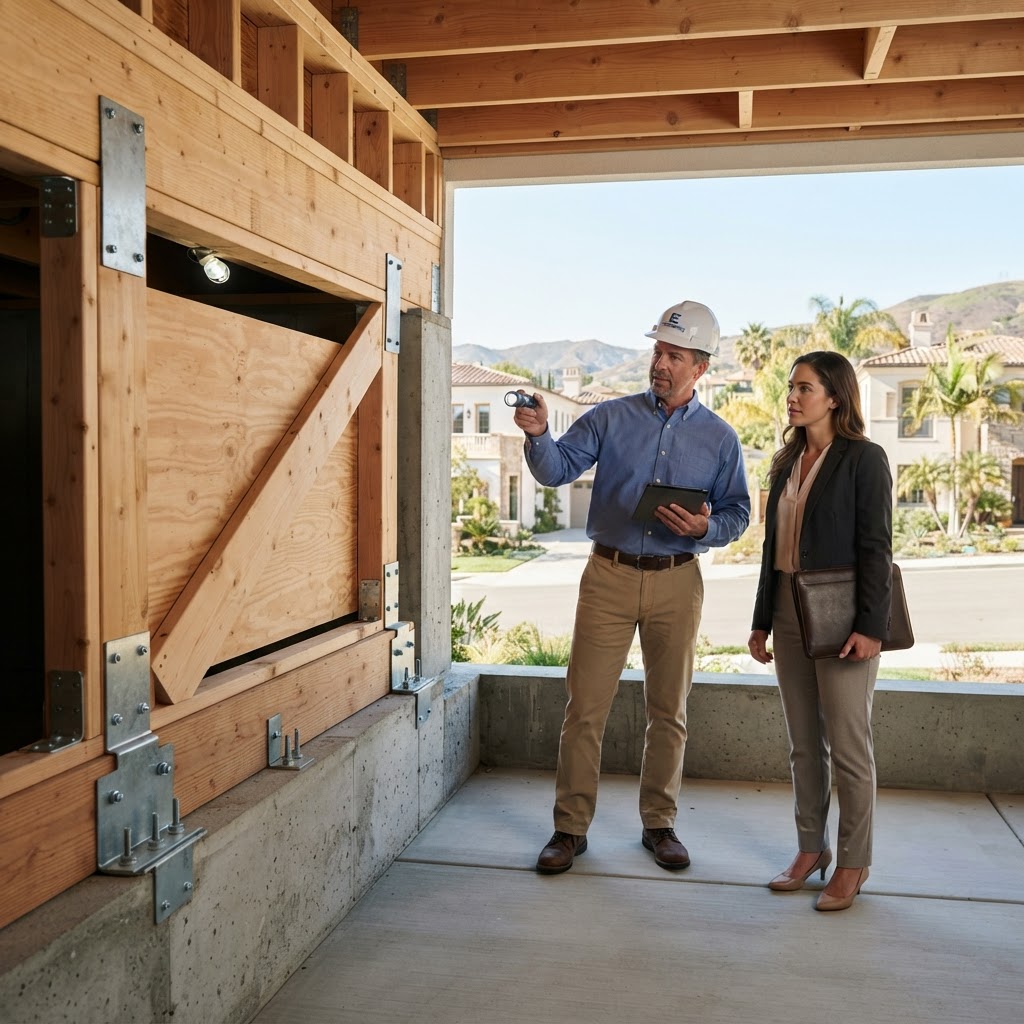
- Flood Proofing: Elevating critical mechanical systems (HVAC, electrical panels) at least 12 inches above the 100-year flood elevation, a standard now increasingly requested by 2026 mortgage underwriters.
The Market Impact of Resilience
Climate risk transparency is no longer optional. With the 2026 integration of mandatory climate risk scores into the mortgage underwriting process for major lenders, properties with unaddressed hydrological risks are seeing a 4-7% discount in valuation compared to 'hardened' counterparts. Proactive mitigation is no longer just about safety; it is a fundamental requirement for maintaining liquidity and securing favorable loan terms in the evolving California market.