The Financial Fault Line: Why Hardening the Home is Only Half the Battle
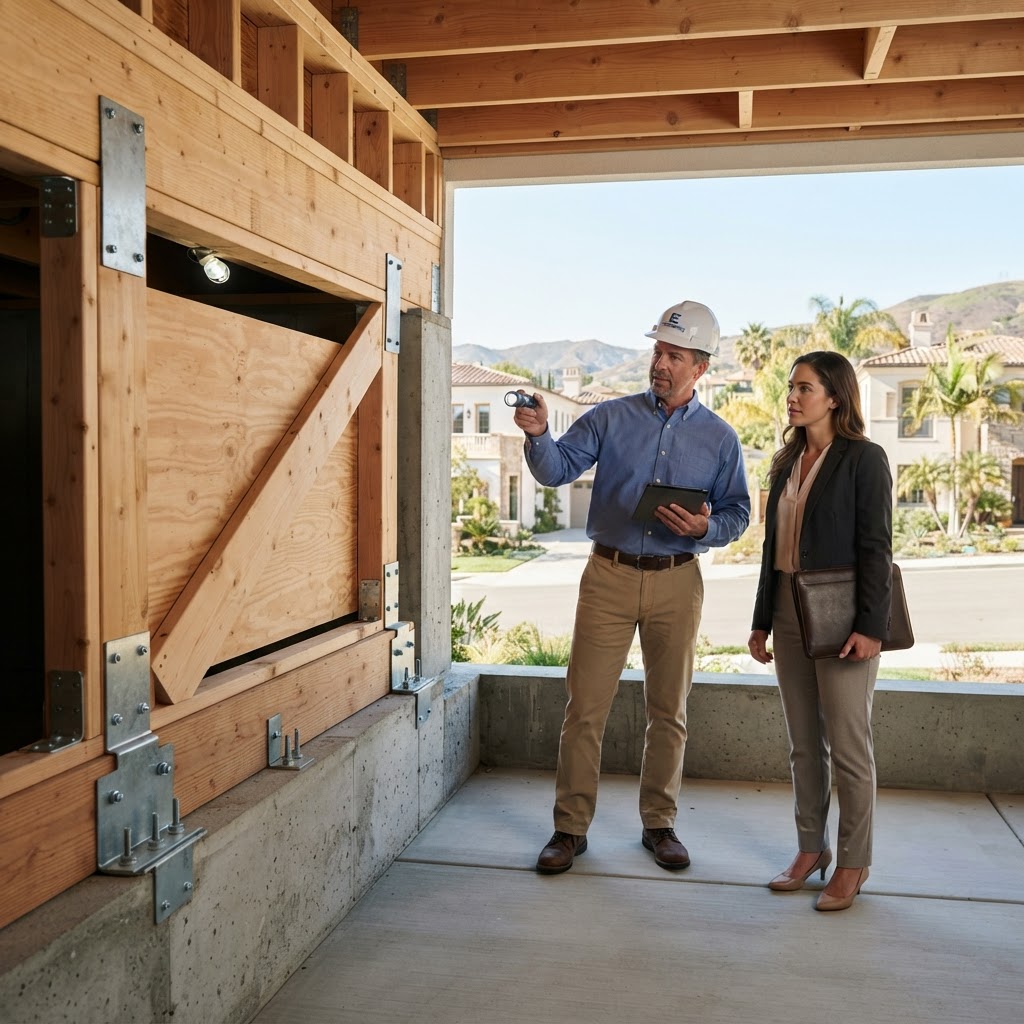
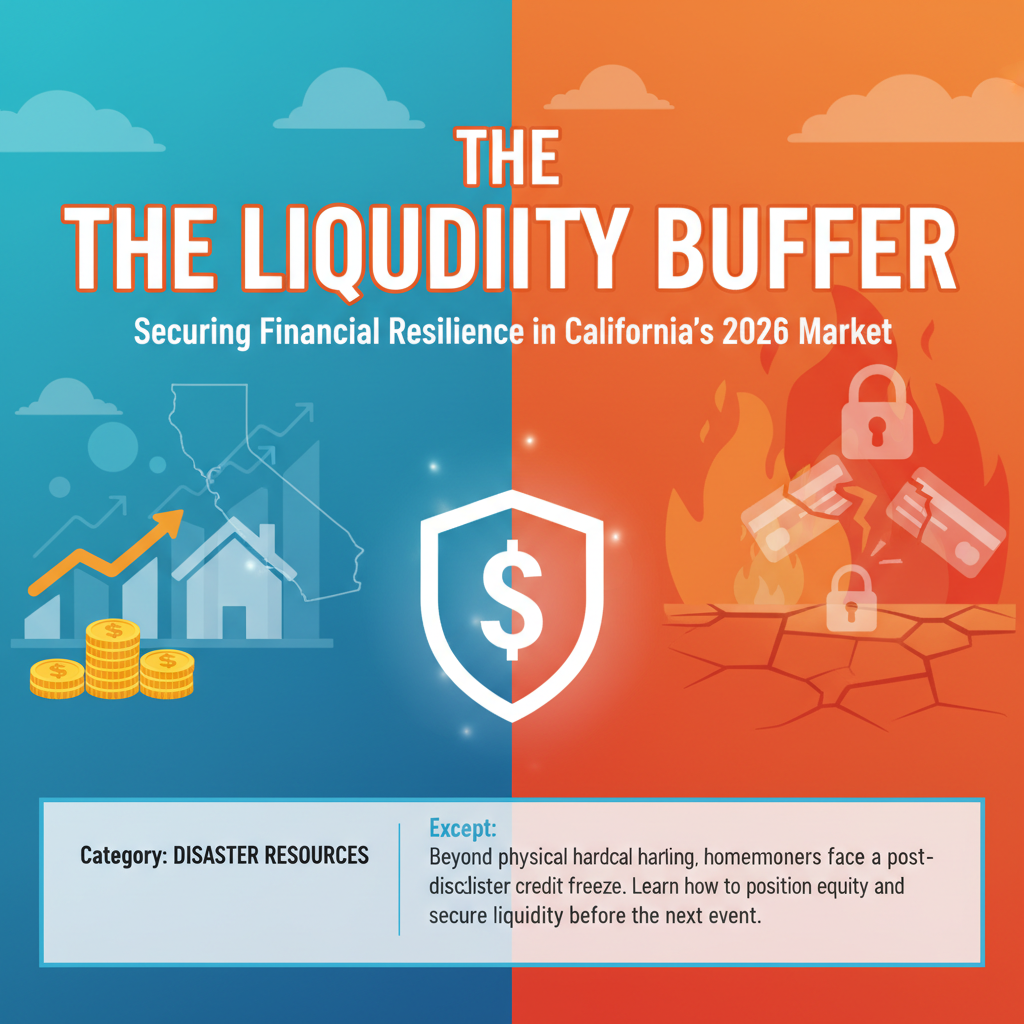
By May 2026, California homeowners have largely adapted to the physical realities of 'The New Normal.' State-mandated retrofits and micro-level risk monitoring have become standard practice. However, a critical gap remains in the individual resilience equation: financial liquidity during the 'Recovery Gap.' While physical structures are being built to survive, the financial structures supporting them often collapse in the immediate aftermath of a FEMA-declared disaster.
As of Q1 2026, data from the California Department of Financial Protection and Innovation (DFPI) suggests that while 78% of homeowners in high-risk zones have performed structural hardening, fewer than 15% have secured the immediate liquidity necessary to manage the first 90 days of recovery before insurance or federal aid manifests.
The Failure of Traditional Timelines
The assumption that insurance payouts or federal assistance will arrive in time to secure temporary housing or initiate urgent stabilization is a dangerous fallacy. Historically, FEMA Individual Assistance grants—which are currently capped at approximately $42,500 for 2026—are intended for basic needs, not home restoration. Furthermore, with the California median home price hovering near $920,000, the delta between immediate cash needs and available aid is staggering.
In the 2025 wildfire season, the average delay for a traditional homeowners' insurance claim disbursement was 114 days. For homeowners without a dedicated liquidity buffer, this timeline often leads to 'forced equity erosion,' where owners are compelled to take high-interest predatory loans or sell distressed assets at a 30-40% discount to maintain solvency.
The Rise of the Emergency Equity Line of Credit (E-ELOC)
The most significant shift in California disaster preparedness for 2026 is the strategic use of the Emergency Equity Line of Credit (E-ELOC). Unlike a standard HELOC, which banks may freeze if a property is located within a fresh evacuation zone or active disaster perimeter, an E-ELOC is structured with 'disaster-hardened' terms that guarantee access to a portion of the credit line regardless of regional status, provided the account was established prior to the event.
Lenders are increasingly looking at 'Resilience Scores' when underwriting these lines. A property that meets the 2026 Home Hardening and Retrofit Mandates often qualifies for lower margins on these emergency lines, effectively rewarding the homeowner for physical mitigation with financial flexibility.
Practical Takeaways for the Resilient Homeowner
- Conduct a Liquidity Audit: Ensure you have 'Day Zero' access to at least 5% of your home’s replacement value in liquid or near-liquid assets. This covers the immediate costs of evacuation, temporary relocation, and debris removal that occur before insurance adjusters arrive.
- Secure Credit While the Sun Shines: Credit markets tighten instantly following a regional disaster. Establish a home equity line now, while your risk profile is stable. In 2026, 'just-in-time' financing does not exist for high-risk California zip codes.
- Audit the 'Loss of Use' Clause: Review your insurance policy specifically for the 'Loss of Use' or 'Additional Living Expenses' (ALE) triggers. Many 2026 policies now require a 72-hour mandatory evacuation order to trigger these funds, rather than voluntary evacuations.
- Diversify Asset Locations: For investors with California portfolios, ensure that your primary operating capital is held in institutions with significant footprints outside of the Pacific seismic zone to avoid regional banking 'dark days' where local branches may lose connectivity.
The 2026 Resilience Premium
The market is beginning to price in this financial preparedness. Appraisers are increasingly noting the presence of 'Liquid Resilience'—the combination of a hardened structure and a pre-positioned recovery fund—as a stabilizer for property value. In a market defined by volatility, the homeowner who can afford to wait for the right contractor and the full insurance settlement, rather than rushing into a distressed repair, is the one who preserves their long-term equity.