The Shift from Amenity to Necessity
In the California real estate market of April 2026, the definition of a "luxury upgrade" has fundamentally shifted. While high-end finishes and smart home technology remain popular, the most significant driver of property value and liquidity is now physical resilience. According to recent data from the California Association of Realtors (C.A.R.), homes with verified "hardened" features in Wildfire Urban Interface (WUI) zones are currently spending 14 days fewer on the market compared to non-retrofitted counterparts.
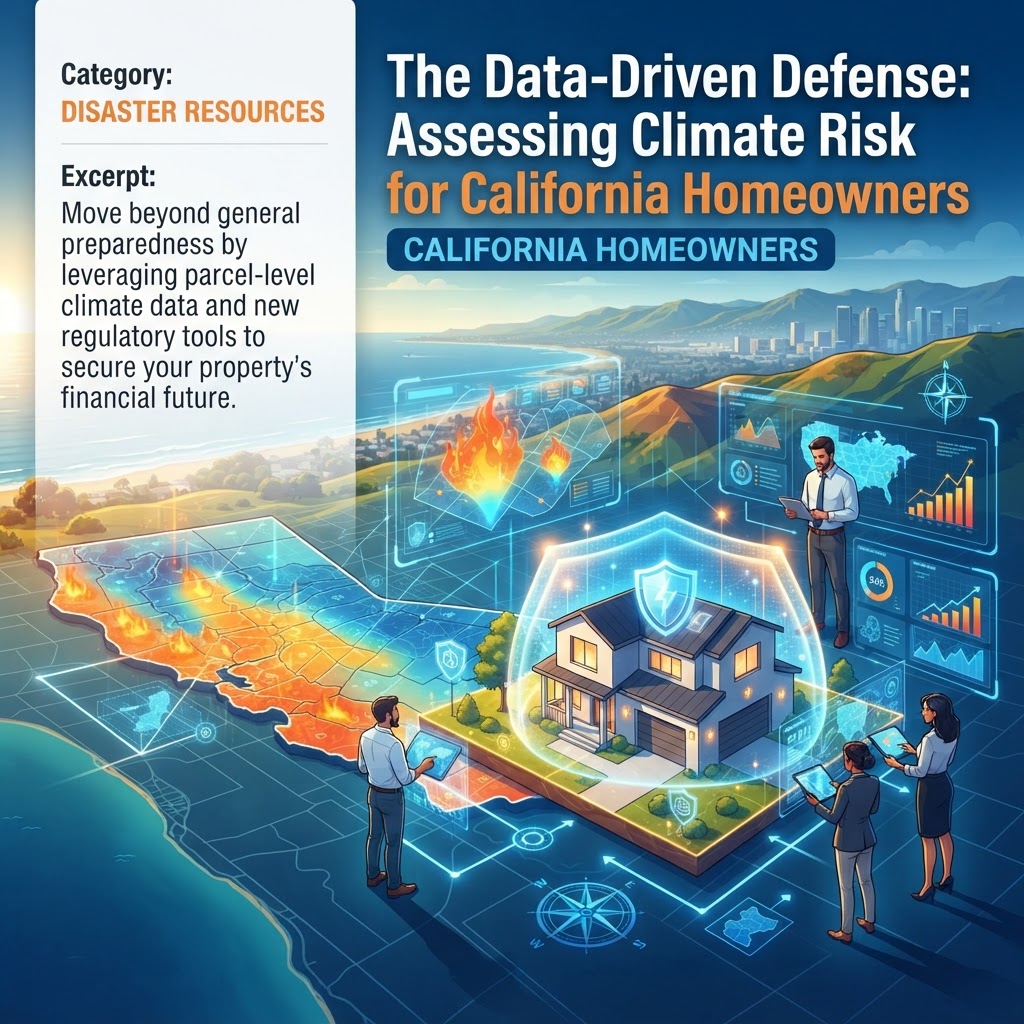
For homeowners, disaster preparedness is no longer just a safety checklist; it is an equity protection strategy. As traditional insurance carriers continue to tighten underwriting standards, the ability to demonstrate a home’s structural integrity against wildfires, seismic activity, and atmospheric rivers is the primary factor in securing both affordable premiums and favorable appraisals.
The Data Behind the Resilience Premium
A 2025 study by the National Association of Realtors (NAR) indicated that for every dollar invested in resilience-related retrofitting, California homeowners saw an average of $2.15 return in home value at the time of sale. This "Resilience Premium" is driven by the increasing difficulty of securing private-market insurance. In many ZIP codes, the California FAIR Plan has become the insurer of last resort, yet even the FAIR Plan has begun implementing tiered pricing based on property-specific mitigation efforts.
Key Resilience Factors Driving 2026 Valuations:
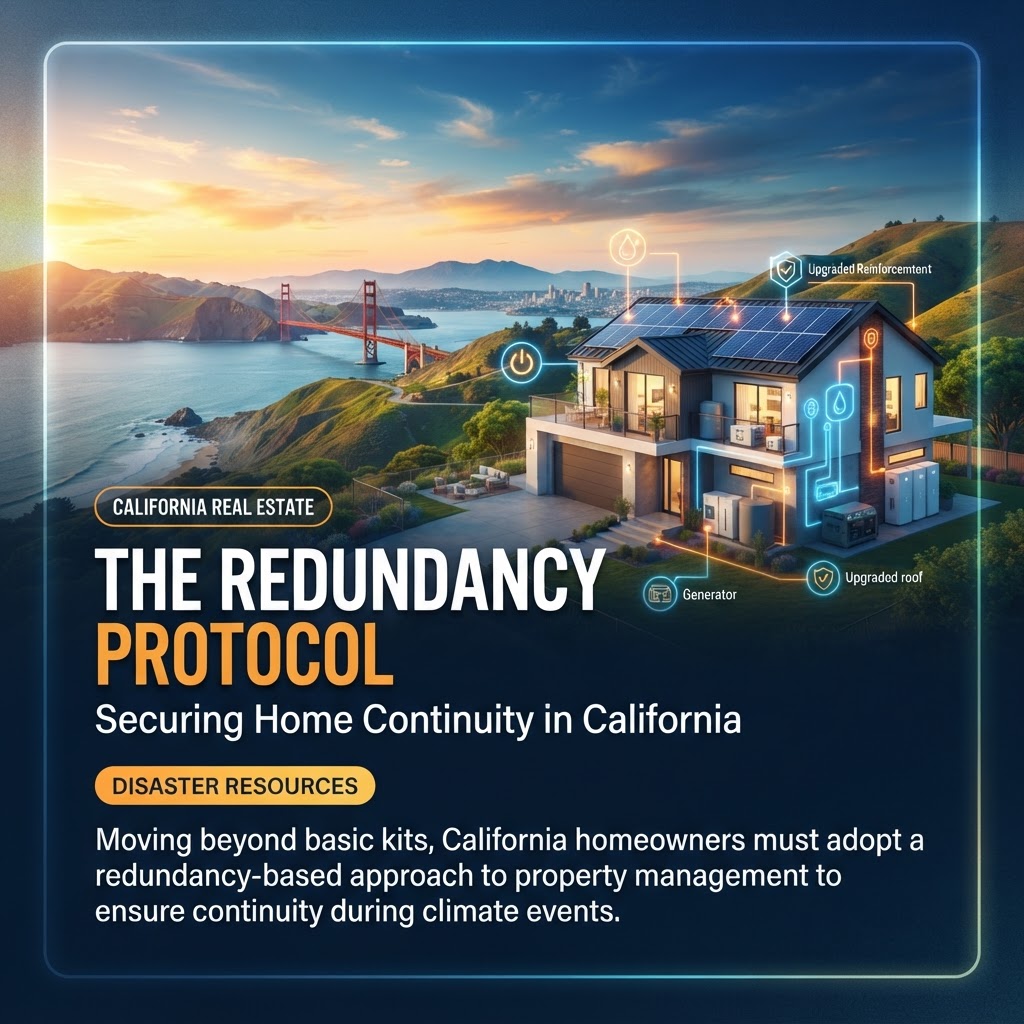
- WUI Compliance (AB 38): Homes that meet or exceed the retrofitting standards of California Assembly Bill 38 (ember-resistant vents, non-combustible siding, and Class A roofing) are seeing appraisal bumps of 5-8% in high-risk zones.
- Energy Autonomy: With Public Safety Power Shutoffs (PSPS) becoming more frequent, properties equipped with integrated solar-plus-storage systems (Battery Backup) are categorized as "High Continuity" assets, attracting a premium from remote-work buyers.
- Fortified Foundations: Seismic retrofitting, particularly for "soft-story" structures common in the Bay Area and Los Angeles, has moved from a recommendation to a near-mandatory requirement for buyers seeking conventional financing.
Strategic Steps for Homeowners and Sellers
To capture the Resilience Premium and ensure a smooth transaction in the 2026 market, homeowners should focus on three specific areas of preparedness:
1. The Digital Resilience Vault
Insurance claims and appraisals in 2026 rely heavily on granular data. Homeowners should maintain a cloud-based "Resilience Vault" containing geotagged photos of the roof, attic vents, and defensible space clearances. Including receipts for specific materials used—such as fire-rated decking or seismic bolting—can provide the necessary evidence for an appraiser to apply a valuation adjustment.
2. Defensible Space as Curb Appeal
The 2026 buyer views landscaping through the lens of liability. Transitioning to "Fire-Wise" landscaping—utilizing rock mulches, succulent varieties, and strategic spacing—serves the dual purpose of meeting Cal Fire Zone 0 requirements and reducing water costs. This aesthetic is increasingly preferred over traditional lawns in drought-conscious California.
3. Leveraging the Resilience Disclosure
In current California Residential Purchase Agreements (RPA), the Resilience Disclosure has become a critical document. Sellers who proactively provide a third-party "Hardening Report" can often bypass the friction of the inspection period, preventing "price chipping" by buyers who might otherwise overestimate the cost of necessary upgrades.
The Long-Term Investor Perspective
For real estate investors, the 2026 landscape requires a "Resilience First" acquisition model. Properties that require seismic or fire hardening represent an opportunity for value-add forced appreciation. By performing these upgrades, investors are not just improving the physical structure; they are moving the asset from an "uninsurable" or "high-risk" category into a "marketable" tier, unlocking a wider pool of buyers and lower-cost capital.
As we navigate the spring 2026 market, the message is clear: disaster preparedness is the new bedrock of California home equity. Those who invest in hardening their homes today are securing their financial future against the environmental volatility of tomorrow.