As of March 2026, the California real estate market has reached a critical inflection point. While individual 'home hardening' was the focus of the early 2020s, the current market is increasingly valuing collective resilience. Today’s savvy homeowners, buyers, and investors are looking beyond the perimeter of a single lot to the infrastructure of the surrounding community. In an era of volatile insurance premiums and climate-driven risks, the 'Collective Shield'—neighborhood-level disaster preparedness—has become a primary metric for property valuation.
The Firewise Premium: Data-Driven Validation
The National Fire Protection Association’s (NFPA) Firewise USA program has seen an unprecedented surge in California. According to data from the California Department of Insurance and recent 2025 market analysis, homes located within a 'Firewise USA Recognized Site' are seeing significant advantages. Not only do these neighborhoods benefit from mandated insurance discounts under California’s 'Safer from Wildfires' regulation, but they also show a distinct market edge.
Recent 2025 MLS data indicates that homes in certified Firewise communities sell, on average, 5.5% faster than comparable homes in uncertified high-risk zones. Furthermore, a 2026 survey of California REALTORS® suggests that 'community-level mitigation' is now among the top five requests from high-net-worth buyers in the foothills and coastal interface zones.
Infrastructure as an Amenity: The Rise of Micro-Grids
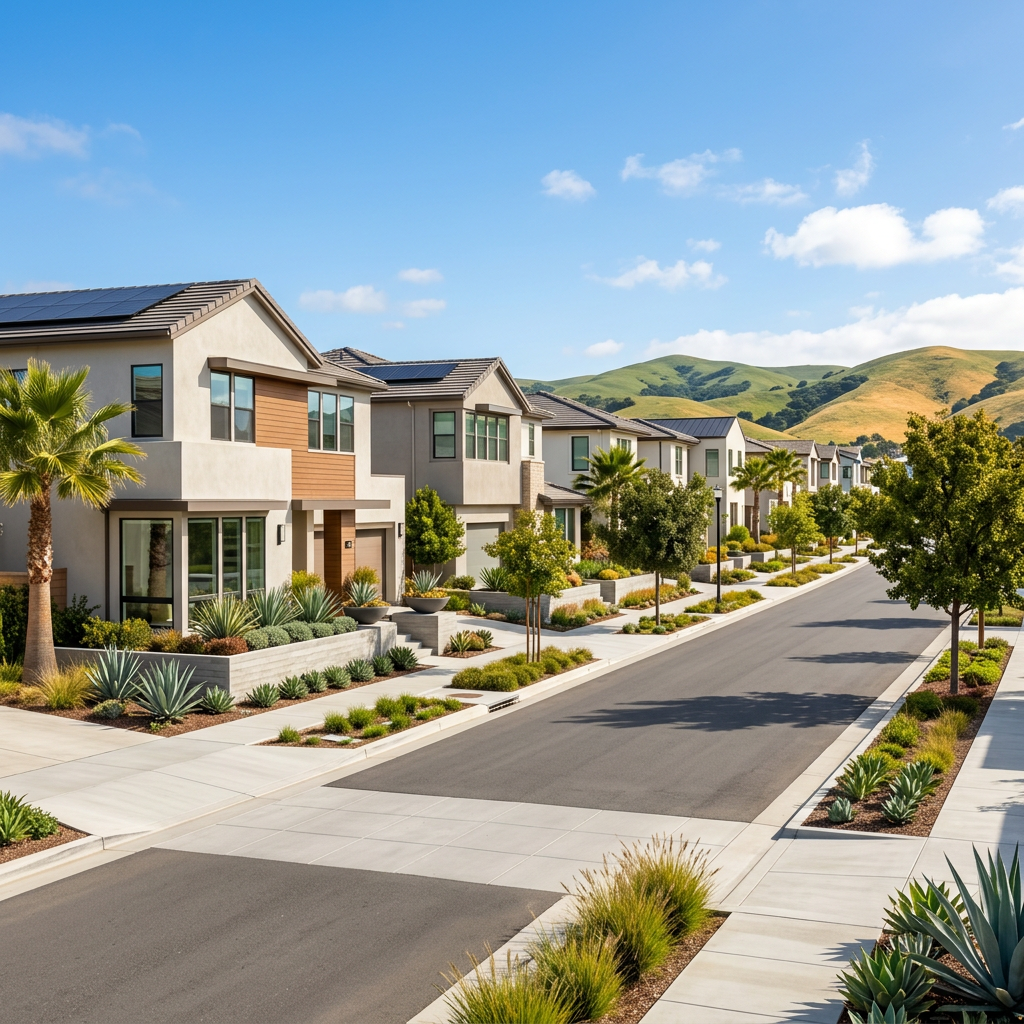
With utility-initiated Power Safety Shutoffs (PSPS) becoming a standardized seasonal occurrence, the definition of a 'luxury amenity' has shifted. In 2026, the most resilient California neighborhoods are those that have invested in community micro-grids. These localized grids, often powered by a combination of solar arrays and industrial-scale battery storage (such as the Tesla Megapack installations seen in newer Inland Empire developments), allow entire blocks to remain powered during regional outages.
Investors are increasingly targeting developments that utilize California Public Utilities Commission (CPUC) micro-grid incentives. According to CBRE’s 2026 Resilience Report, properties connected to a localized micro-grid command a 4% price premium over those reliant solely on the centralized grid, reflecting the value of business continuity for the state’s growing remote-work force.
Practical Takeaways for California Homeowners
For those looking to protect their equity and ensure long-term marketability, the following actions are essential in the current 2026 landscape:
- Verify Firewise Status: Before listing or buying, check the NFPA’s national database. If a neighborhood isn't certified, the cost of organizing a local board is negligible compared to the potential insurance savings and value boost.
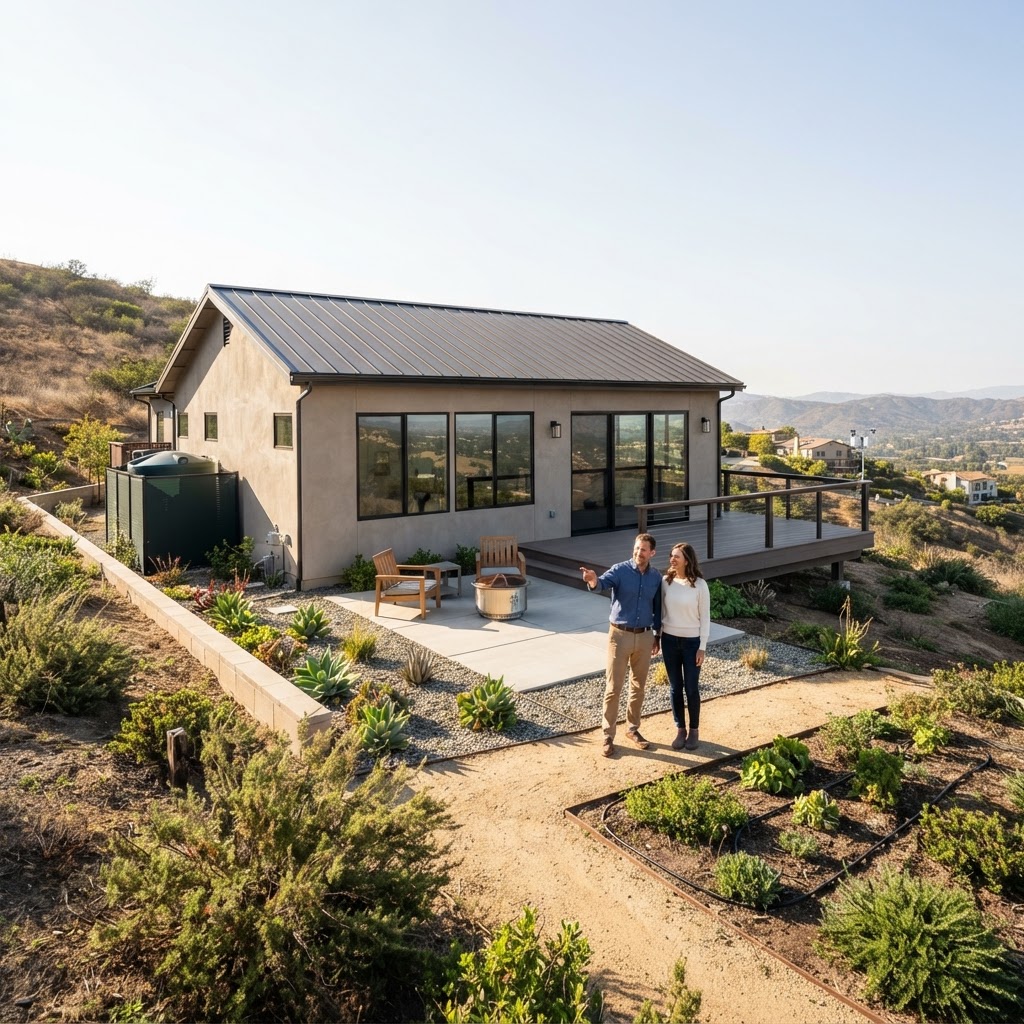
- Audit Neighborhood Water Infrastructure: Investigate the presence of 'Drafting Hydrants' or communal cisterns. In many rural-residential areas of Northern California, neighborhoods that have collectively funded 50,000-gallon emergency water tanks are seeing lower FAIR Plan premiums.
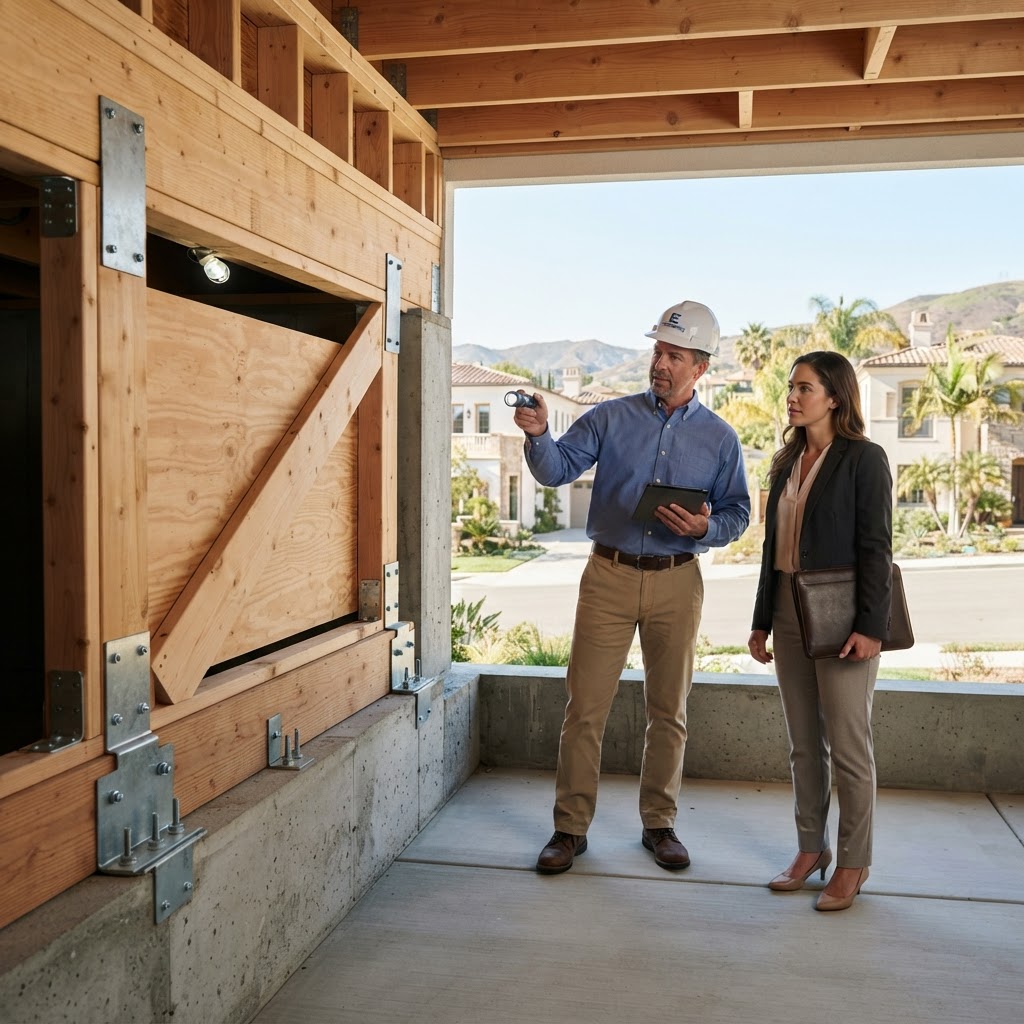
- Evaluate the 'Resilience Score': New 2026 disclosure standards often include a resilience rating. Homeowners should proactively improve this score by participating in community fuel-reduction programs and ensuring shared access roads meet the 20-foot wide 'Fire Safe' standards.
- Digital Neighborhood Networks: Ensure the property is part of a robust, localized emergency communication network (such as GMRS radio groups or encrypted mesh networks) that functions independently of cellular towers, which often fail during catastrophic events.
The Shift in Buyer Sentiment
The 2020s began with homeowners asking, 'Is my house safe?' In 2026, the question has evolved to, 'Is my neighborhood prepared?' As California continues to lead the nation in climate-adaptive real estate, the most successful market participants will be those who view disaster preparedness not as a personal chore, but as a collective infrastructure project that safeguards both lives and capital.