The Convergence of Climate Risk and Home Equity
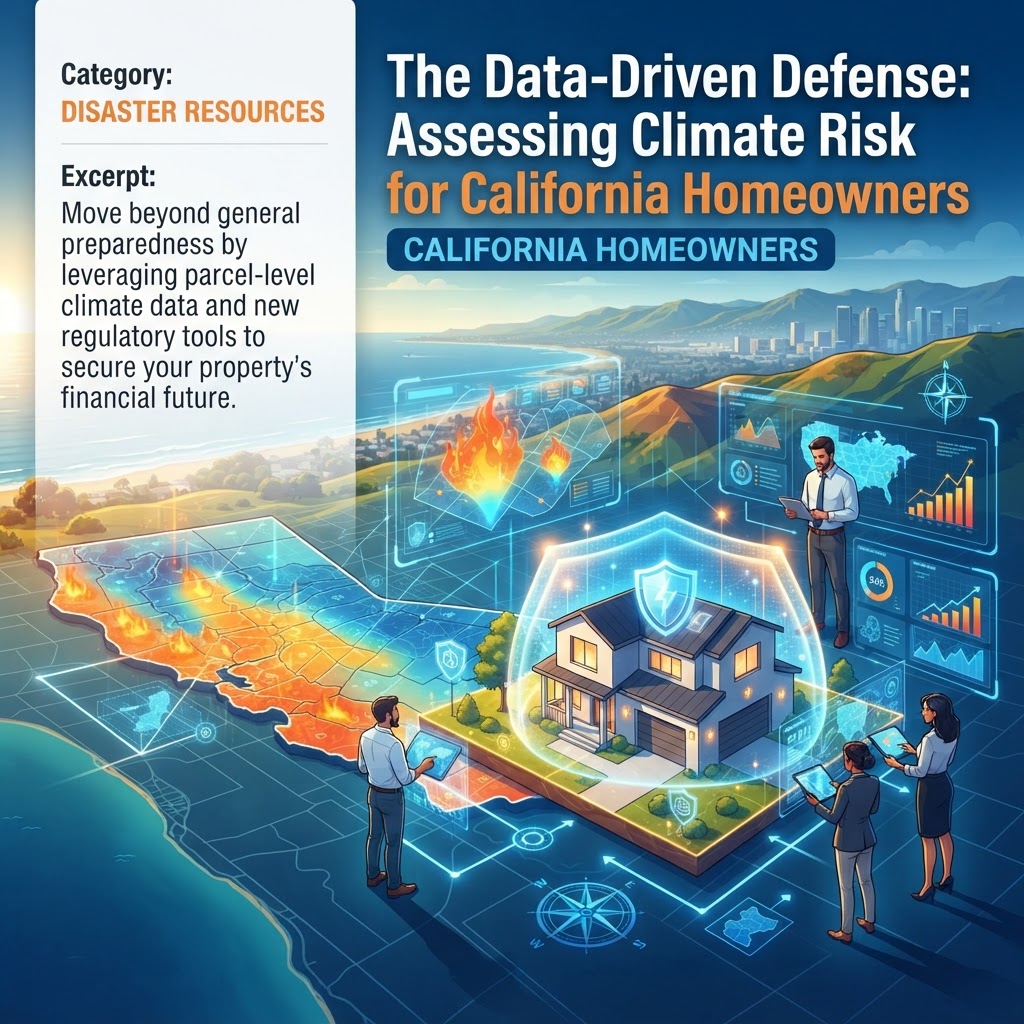
As of early 2026, California homeowners face a dual-front challenge: the increasing physical frequency of climate-driven events and a hardening insurance market that has fundamentally shifted the math of homeownership. Data from the California Department of Insurance (CDI) indicates that as of late 2025, enrollment in the FAIR Plan—the state’s insurer of last resort—surpassed 450,000 policies, a 25% increase from two years prior. For homeowners and investors, disaster preparedness is no longer just a safety protocol; it is an essential strategy for preserving asset value.
The Financial Front: Navigating the Insurance Crisis
The primary risk to California real estate in 2026 is often financial before it is physical. With major carriers like State Farm and Allstate continuing to limit new homeowners' policies in high-risk zones, the cost of coverage has become a pivotal factor in property valuations. According to recent NAR data, properties in high-fire-risk zones without 'hardened' features are seeing longer days-on-market and a price discount of 5-8% compared to resilient counterparts.
- The Resilience Discount: Inquire with your broker about the 'Wildfire Prepared Home' designation. Properties meeting these standards are increasingly eligible for mandated discounts under CDI regulations.
- The FAIR Plan Reality: If you are forced onto the FAIR Plan, remember it is a named-peril policy. You must purchase a 'Difference in Conditions' (DIC) policy to cover liability, theft, and water damage to ensure full equity protection.
Physical Resilience: Wildfire and Seismic Hardening
Practical mitigation is the most effective way to ensure a property remains insurable and salable. The California Earthquake Authority (CEA) notes that older homes (pre-1980) that have undergone seismic retrofitting—specifically 'bolt and brace' maneuvers—are significantly less likely to suffer total loss during a major event. Investment in these areas typically yields a high ROI by reducing annual premiums and increasing buyer confidence.
Wildfire Defense Strategies
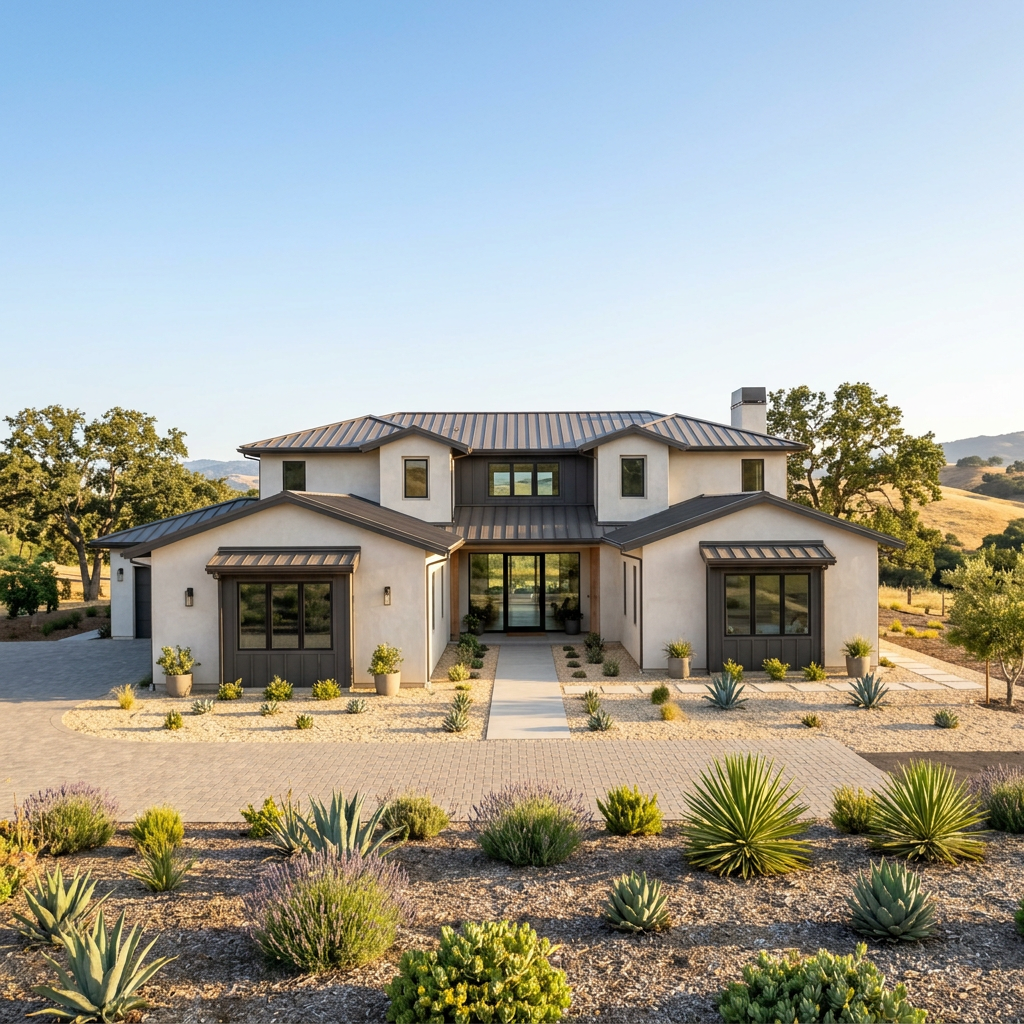
- Zone 0 (0-5 feet): This is the 'Embers-Resistant Zone.' Remove all flammable vegetation, mulch, and woodpiles. This is the most critical area for preventing structure ignition.
- Vents and Eaves: Retrofit crawlspace and attic vents with 1/8-inch metal mesh to prevent ember intrusion, a leading cause of home loss during wildfires.
- Roofing: Ensure a Class A fire-rated roof. For investors, upgrading a roof before a sale in a high-risk area is now considered a standard 'value-add' rather than a luxury.
Due Diligence for Buyers and Sellers
Transparency is the mandate in the 2026 market. Sellers are now legally required to disclose more granular risk data via the Natural Hazard Disclosure (NHD) report. For buyers, the due diligence period must include a 'clue report' and a firm insurance quote before removing contingencies. CBRE research suggests that institutional investors are now prioritizing 'climate-resilient' zip codes, a trend that individual homeowners should mirror by investigating a property's specific 'Fire Hazard Severity Zone' (FHSZ) ranking via Cal Fire’s updated mapping tools.
Practical Takeaways for 2026
- Audit Your Risk: Use the Cal Fire 'Defensible Space' tool and the CEA 'Braced and Bolted' database to identify specific structural vulnerabilities.
- Document Everything: Maintain a digital vault of home improvements, specifically those related to disaster resilience. These records are vital during insurance appraisals and property inspections.
- Resource Check: Utilize Listos California for localized emergency alerts and the MyShake app for early earthquake warnings—tools that are now standard for modern California living.
Resilience is the new luxury in California real estate. By proactively hardening structures and navigating the complexities of the 2026 insurance market, homeowners can protect both their safety and their long-term financial stability.