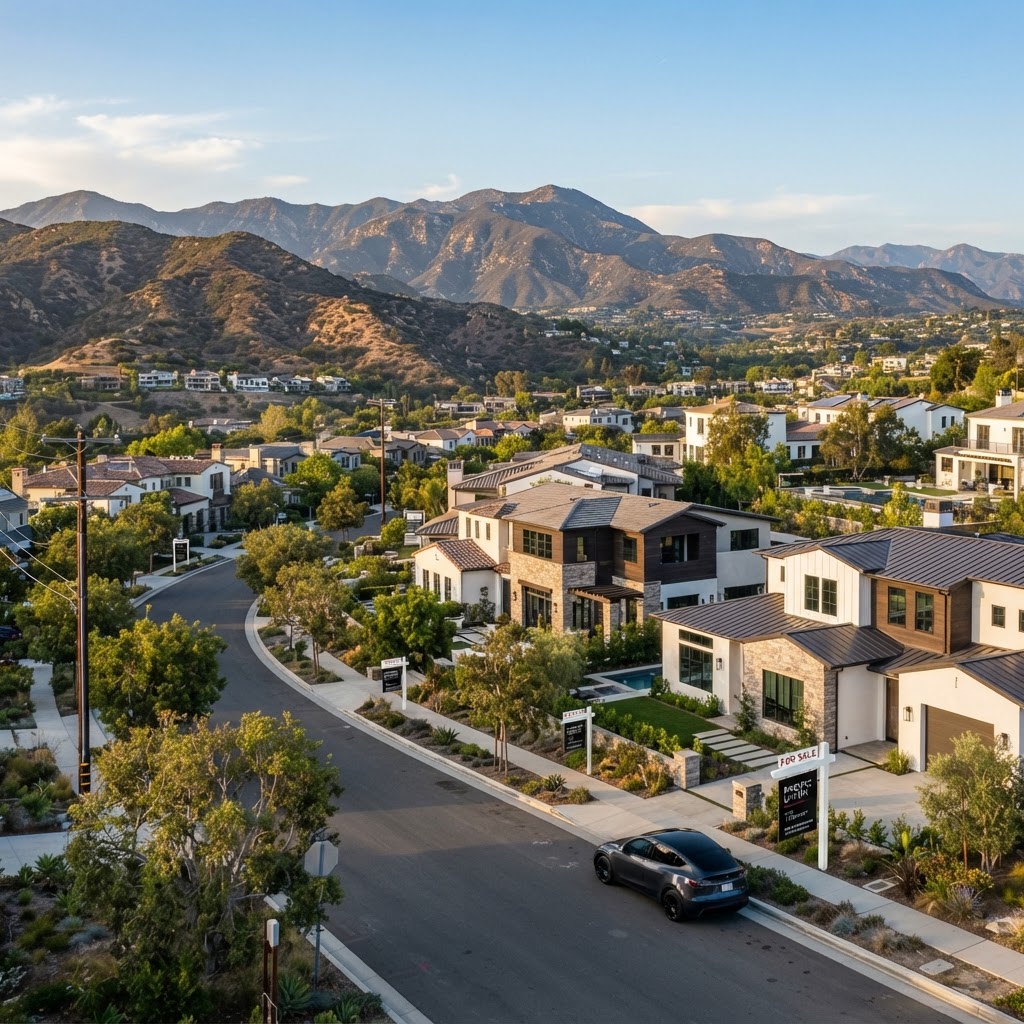
The Insurance-Escrow Gap: Why California Deals Are Stalling at the Finish Line
As California’s real estate market navigates the final quarter of 2026, the primary obstacle to closing transactions has shifted from simple price disagreement to a more structural crisis: the insurability of the asset. While inventory levels have seen a modest rise—with statewide active listings up approximately 18% compared to last year—the ability to finalize these sales is increasingly hampered by the state’s volatile insurance landscape.
The New 'Deal-Killer'
Industry experts and local associations, including the Greater Los Angeles REALTORS®, have identified the insurance crisis as a primary barrier to closing. Even when buyers and sellers reach a consensus on price, the inability to secure affordable, comprehensive homeowners insurance is causing deals to fall apart at the finish line. With the California FAIR Plan—the state’s insurer of last resort—recently receiving approval for a 29.1% average statewide rate increase, the added monthly cost is effectively disqualifying buyers who were already stretched by 6.5% mortgage rates.
Data-Backed Friction
The math for the average California buyer has become increasingly precarious. With a median-priced home requiring a qualifying income of over $228,000, the addition of high-cost insurance premiums to the PITI (principal, interest, taxes, and insurance) calculation is pushing monthly payments well beyond the reach of many middle-income households. This 'insurance-escrow gap' is particularly acute in regions prone to wildfire risk, where private carriers have retreated, leaving buyers with no choice but to accept significantly higher premiums that can derail loan underwriting.
Regulatory and Enforcement Shifts
The California Department of Real Estate (DRE) has intensified its focus on market integrity, recently announcing 39 enforcement actions in September alone. While these actions primarily target fraud and trust fund mismanagement, they underscore a broader regulatory push to protect consumers in a high-stakes environment. For investors and buyers, this means that due diligence is no longer just about the physical condition of the property, but about the financial viability of the insurance and tax obligations attached to it.
Practical Takeaways for Market Participants
- For Buyers: Factor insurance quotes into your initial offer strategy. Do not wait until the end of the escrow period to secure a policy; obtain a preliminary quote during the inspection contingency phase to ensure the total monthly payment remains within your debt-to-income limits.
- For Sellers: Be prepared for buyer scrutiny regarding insurance. If your property is in a high-risk zone, providing documentation of existing coverage or mitigation efforts (such as brush clearance or fire-resistant retrofits) can help reassure potential buyers and their lenders.
- For Investors: Look for opportunities in properties that have been on the market for 30+ days. Sellers with aging listings are increasingly willing to negotiate on closing costs, which can be used to offset the immediate impact of high insurance premiums or to fund necessary property improvements that might lower future insurance rates.
As the market moves into 2027, the ability to navigate these insurance and regulatory hurdles will be the defining factor for successful transactions. While the 'frenzy' of previous years has cooled, the complexity of closing a deal in California has never been higher.