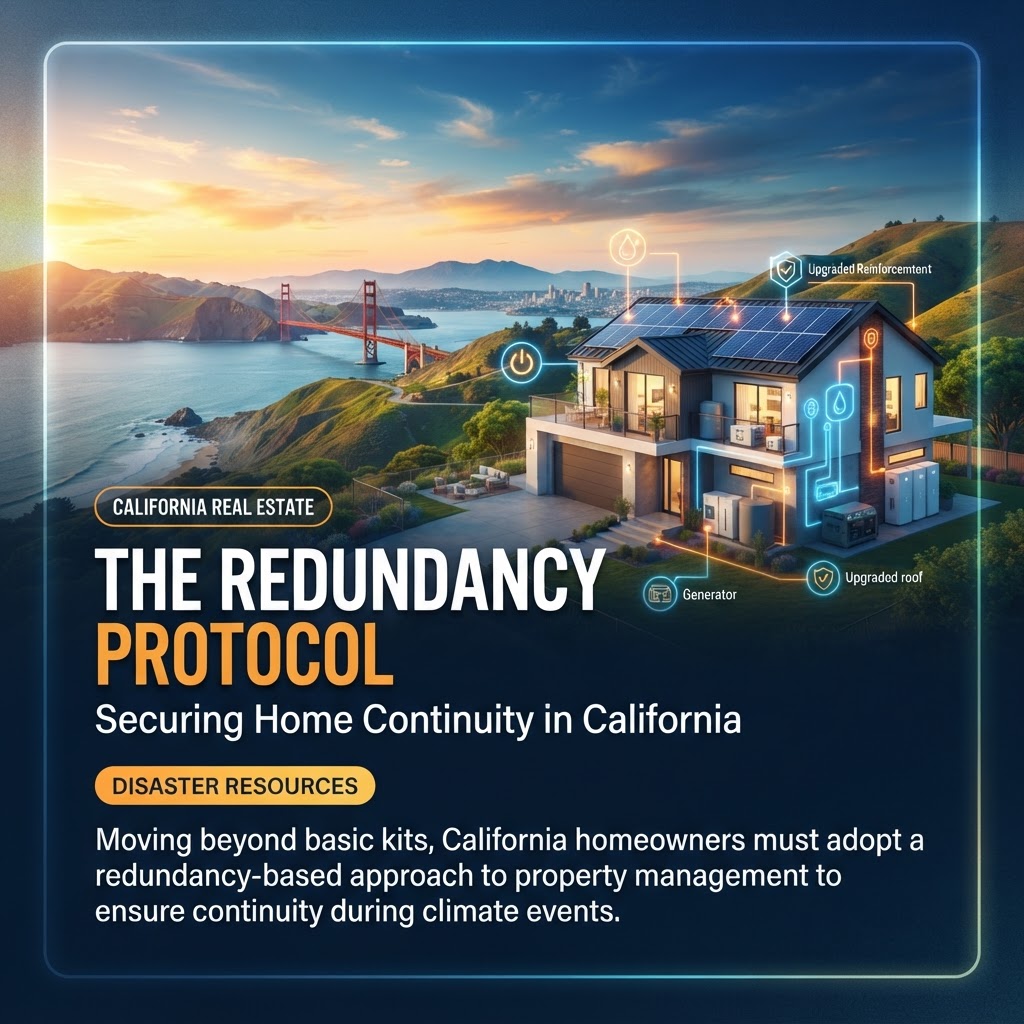
The Structural Imperative: Retrofitting for California’s Seismic Future
For California homeowners, the conversation around disaster preparedness has historically centered on insurance policies and emergency kits. However, as the state continues to navigate a complex landscape of natural hazards, a shift toward structural resilience is becoming the most critical factor in long-term property value preservation. With thousands of known faults across the state, the risk of seismic activity is not a matter of if, but when.
The Gap Between Insurance and Resilience
While traditional homeowners insurance covers fire-related losses following an earthquake, it does not cover the structural damage caused by shaking. Despite this, the "take-up rate" for dedicated earthquake insurance has remained stagnant, hovering between 10% and 15% over the last two decades. Relying solely on insurance is a reactive strategy; proactive mitigation is the only way to ensure a home remains habitable after a significant event.
The Economics of Seismic Retrofitting
The California Residential Mitigation Program (CRMP) has identified that older homes—specifically those built before 2000—are at the highest risk of shifting off their foundations during an earthquake. For these properties, a seismic retrofit is the single most effective investment a homeowner can make.
- Brace and Bolt: Programs like the Earthquake Brace + Bolt (EBB) provide grants of up to $3,000 to help homeowners secure their houses to their foundations.
- Soft-Story Mitigation: Multi-unit residential buildings, particularly those with ground-floor parking or living spaces, require specialized structural reinforcement to prevent collapse.
- Hillside Vulnerabilities: Homes built on slopes face unique structural challenges that require professional engineering assessments to ensure the foundation can withstand lateral forces.
Actionable Steps for Homeowners and Investors
To move from vulnerability to resilience, homeowners should prioritize the following actions:
- Assess Your Structural Profile: Utilize the FEMA National Risk Index to understand the specific hazards associated with your property’s location.
- Leverage State Grants: Monitor the CRMP website for open registration periods for retrofit grants. These programs are often oversubscribed, making early registration essential.
- Consult a Licensed Professional: Before initiating any work, engage a structural engineer to determine if your home requires a standard brace-and-bolt or a more complex, site-specific retrofit.
- Integrate into Maintenance Cycles: Treat seismic retrofitting as a capital improvement rather than an emergency expense. Integrating these upgrades during planned renovations can significantly reduce labor costs and minimize disruption.
The Future of Property Value
As climate and seismic data become more transparent through tools like the National Risk Index, the market is beginning to price in disaster resilience. Homes that have undergone verified seismic retrofits are increasingly viewed as lower-risk assets, potentially offering a competitive advantage in future resale markets. By prioritizing structural integrity today, California homeowners are not just protecting their physical assets—they are securing their financial future in an unpredictable environment.